
Table of Contents
Best Books on Sufism & Tasawwuf in Urdu: The Ultimate Authority Guide
Tasawwuf (Sufism) in orthodox Islamic scholarship is the science of inward purification (Tazkiyah), spiritual excellence (Ihsan), and moral reformation (Husn-e-Akhlaq), derived strictly from the Quran and the Sunnah of the Prophet Muhammad ﷺ to eliminate spiritual maladies and attain divine closeness.
The question what is Tasawwuf or what is the meaning of Tasawwuf frequently arises in modern discourse, often clouded by esoteric misconceptions or speculative philosophy. In classical Islamic terminology, Tasawwuf is neither a distinct sect nor an addition to Islamic theology. Rather, it represents the experiential implementation of Ihsan—the third pillar of Islam articulated in the famous Hadith of Jibril: “To worship Allah as though you see Him, and if you do not see Him, truly He sees you.”
While Islamic jurisprudence (Fiqh) regulates outward actions—the lawful (Halal) and unlawful (Haram), physical purification, and transactional contracts—Tasawwuf governs the inner state of the heart (Batin). It systematically diagnoses and treats chronic spiritual ailments such as pride (Kibr), ostentation (Riya), malice (Keena), avarice (Hirs), and heedlessness (Ghaflah), while inculcating enduring virtues such as sincerity (Ikhlas), patience (Sabr), gratitude (Shukr), and divine reliance (Tawakkul).
For serious seekers, studying authentic Islamic tasawwuf books is not merely an academic exercise; it is an indispensable pedagogical roadmap to align inward consciousness with outward obedience to the Shariah.
The Core Stages of Tasawwuf and Spiritual Ascension (Suluk)
The journey of Tasawwuf (Suluk) progresses through systematic spiritual stations (Maqamat) and states (Ahwal), beginning with sincere repentance (Tawbah), proceeding through moral struggle (Mujahadah) and spiritual illumination (Mukashafah), and culminating in abiding divine consciousness (Ma’rifah).
To navigate classical books about Tasawwuf effectively, a reader must understand the architectural stages of the spiritual path:
Yaqazah (Spiritual Awakening): The moment of awakening when an individual recognizes the fleeting nature of this world and the necessity of preparing for the Hereafter.
Tawbah (Sincere Repentance): Uprooting sins, returning usurped rights (Huquq-ul-Ibad), and establishing an inviolable resolve never to return to disobedience.
Muhasabah & Muraqabah (Self-Accountability and Vigilance): Constant introspection of one’s intentions and continuous mindfulness of Allah’s omnipresence.
Mujahadah (Inward Struggle): Disciplining the base desires of the lower self (Nafs-e-Ammarah) through moderation, fasting, nocturnal prayers, and guarded senses.
Tazkiyah (Purification of the Heart): Cleansing the spiritual vessel of dark inclinations until it reflects divine light.
Ikhlas & Ridha (Absolute Sincerity and Contentment): Performing every deed purely for the pleasure of the Creator, accepting divine decree with peace and tranquillity.
Ma’rifah (Experiential Knowledge of Allah): Attaining profound, experiential certitude (Yaqeen) and intimate consciousness of Allah’s attributes and majestic presence.
Why Study Classical Sufism Books in Urdu?
Urdu translations and original commentaries provide unmatched accessibility to classic Arabic and Persian Tasawwuf treatises, meticulously vetted by orthodox South Asian scholars to preserve the delicate balance between external Shariah injunctions and inner spiritual realities.
Over the past two centuries, the Indian subcontinent emerged as one of the most prolific centers for the codification, translation, and simplification of traditional Islamic sciences. Renowned scholars recognized that Arabic and Persian originals were inaccessible to the wider public, risking either academic neglect or the infiltration of ungrounded esoteric interpretations.
Through definitive Urdu translations, classical texts by masters like Imam Abu Hamid al-Ghazali, Imam al-Qushayri, and Mawlana Jalaluddin Rumi were not only rendered into idiomatic language but also fortified with scholastic marginalia (Hawashi) and Shariah-compliant explanations.
Today, whether one is seeking the best books on Tasawwuf in Urdu for self-rectification or scholarly research, the Urdu canon provides a rigorous, balanced, and accessible reservoir of knowledge.
Top Recommended Books on Sufism: Foundational Classics & In-Depth Reviews
When curating the top 10 books on Sufism and authentic Sufi Urdu books, scholars consistently highlight titles that blend theoretical doctrine with practical, actionable methodology. Below is a detailed analytical breakdown of five essential masterpieces currently available to order.
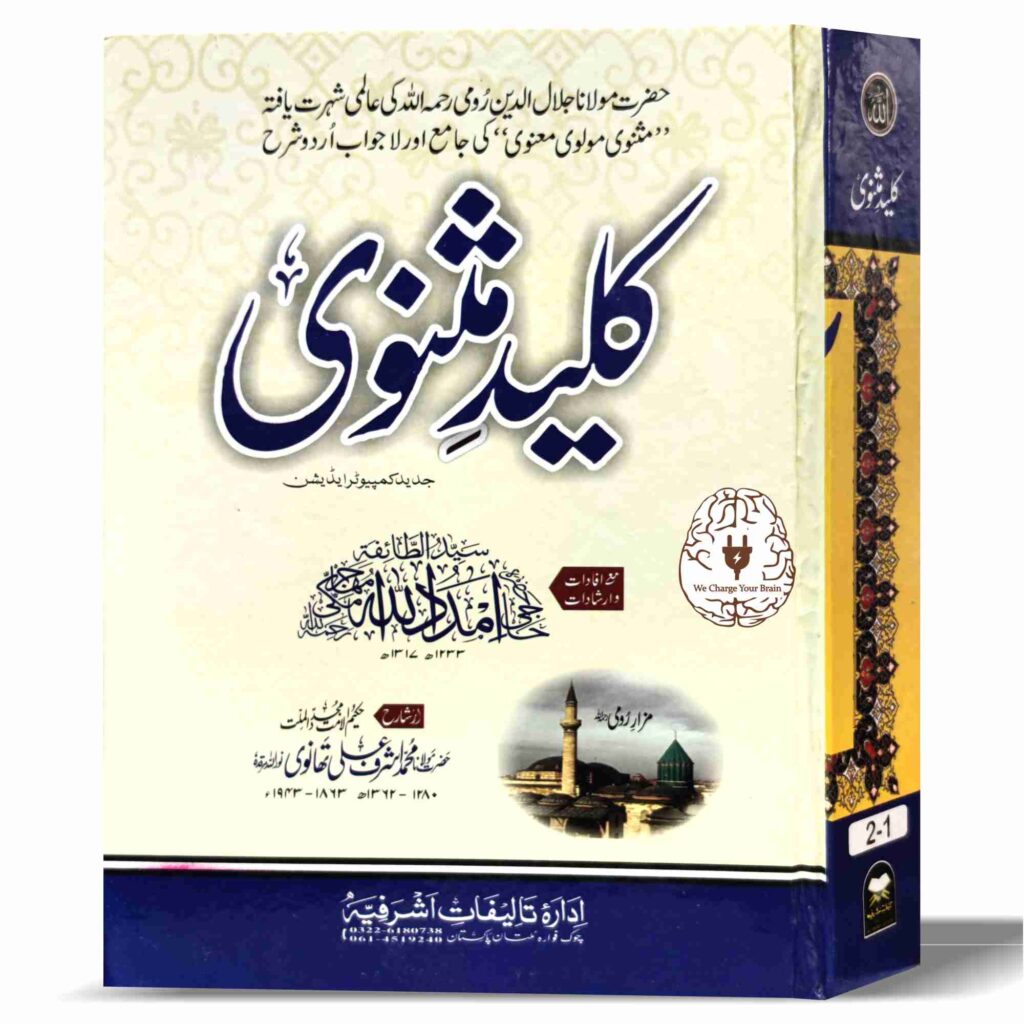
1. Kaleed-e-Masnavi (کلید مثنوی) – Complete 9-Volume Exposition of Rumi’s Mathnawi
Author: Hazrat Maulana Jalaluddin Rumi (رحمہ اللہ)
Comprehensive Urdu Commentary: Hakeem-ul-Ummat Hazrat Maulana Ashraf Ali Thanvi (رحمہ اللہ)
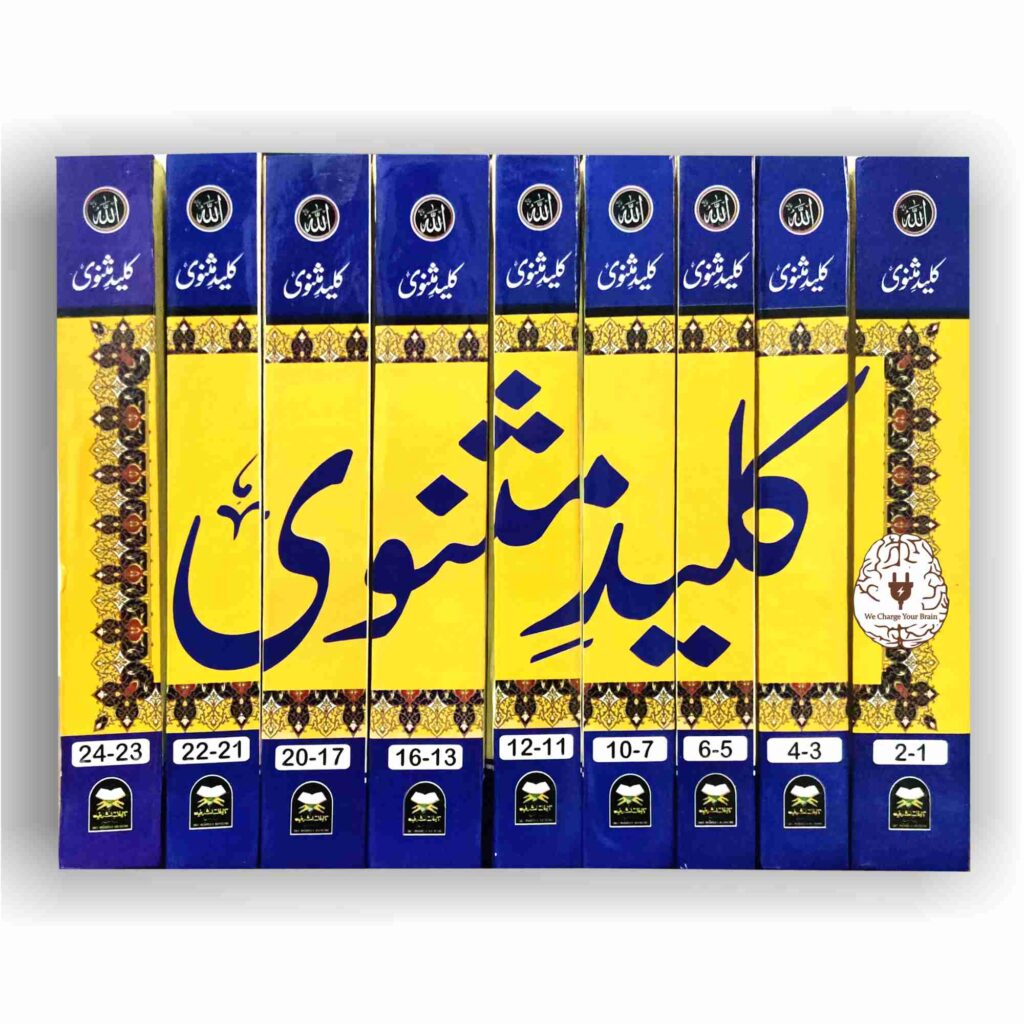
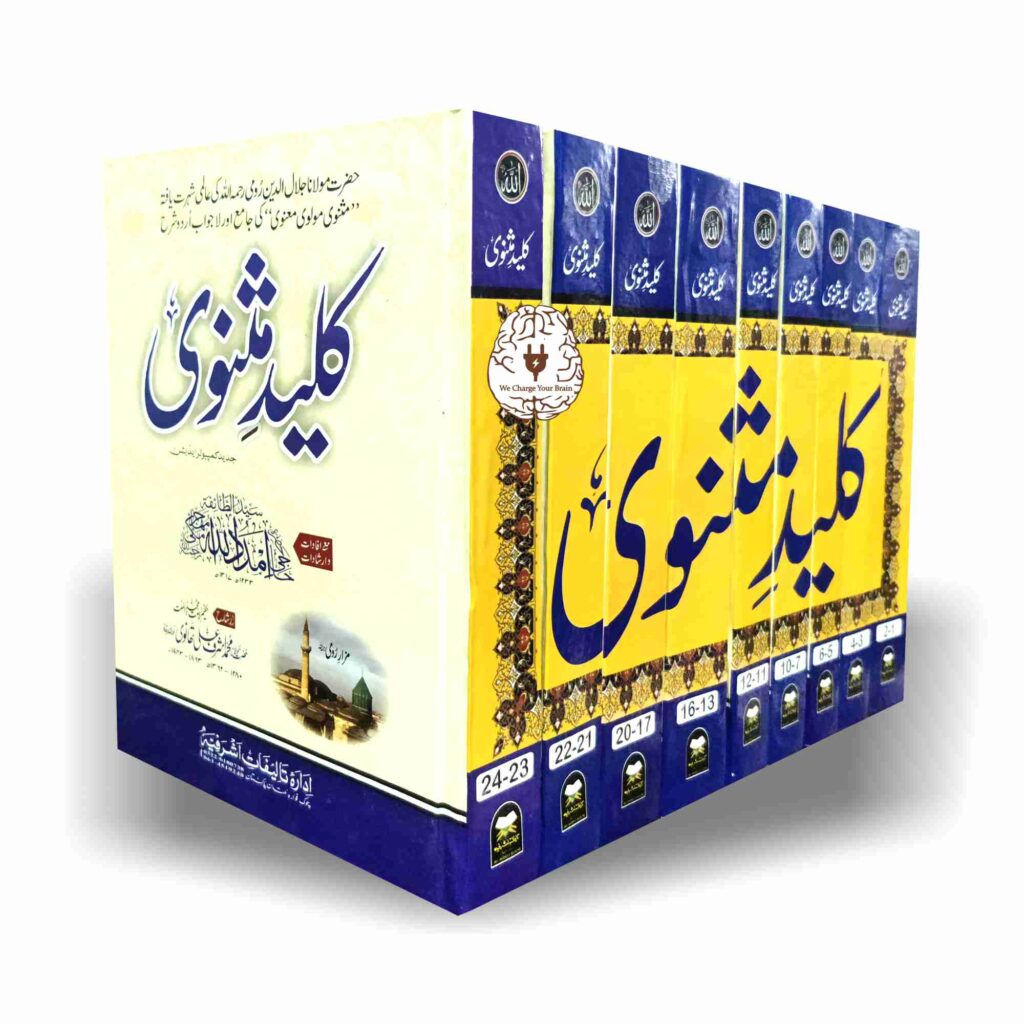
Format: Complete Set in 9 Volumes (covering all 24 parts)
Direct Access: Order Kaleed-e-Masnavi at Kitabfarosh
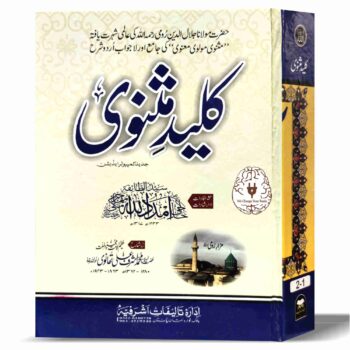
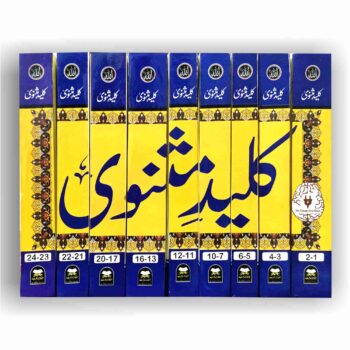
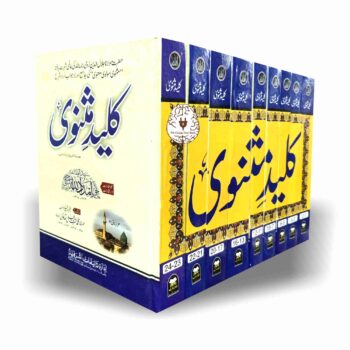
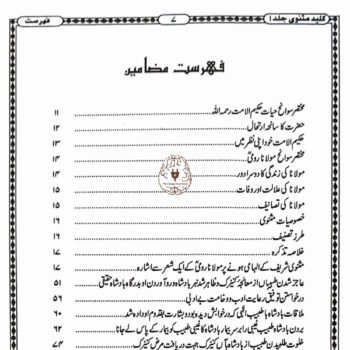
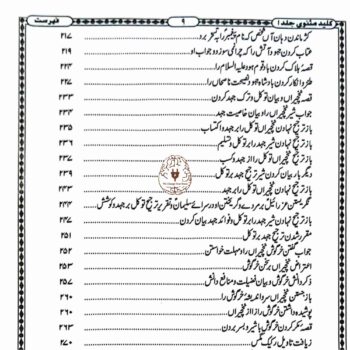
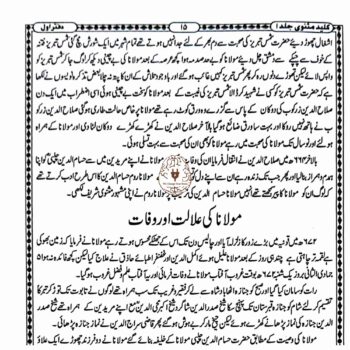
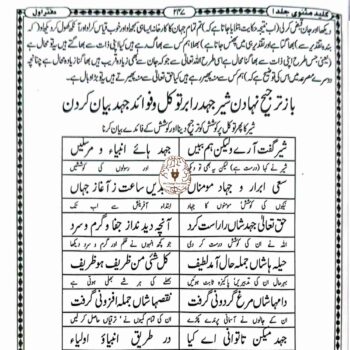
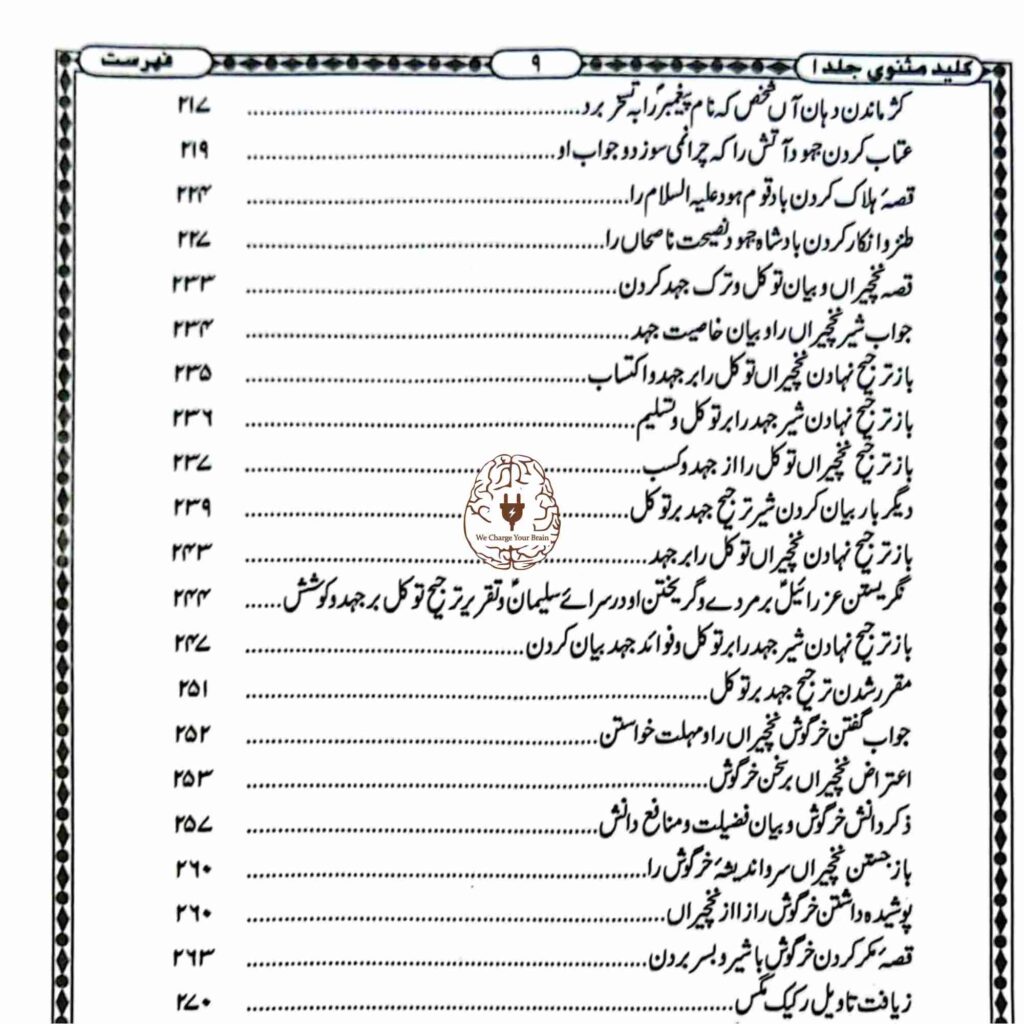
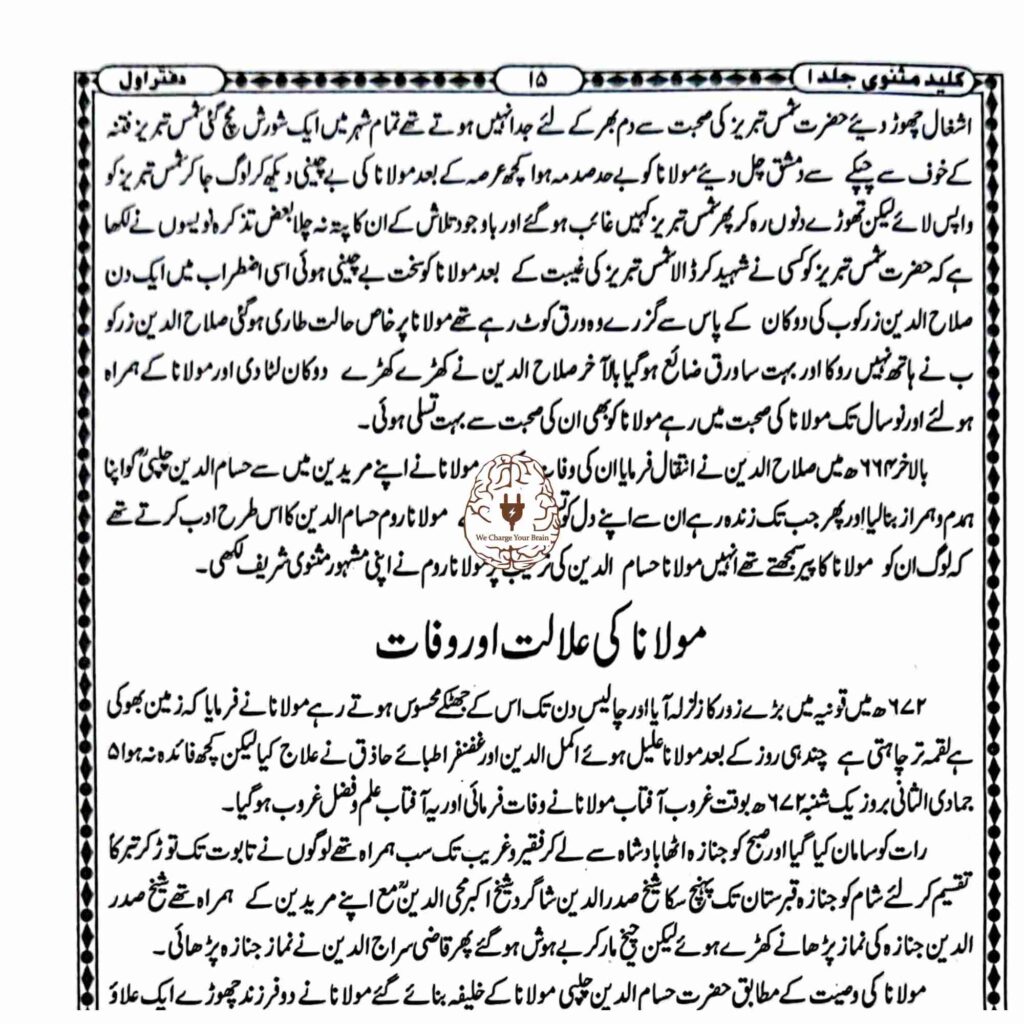
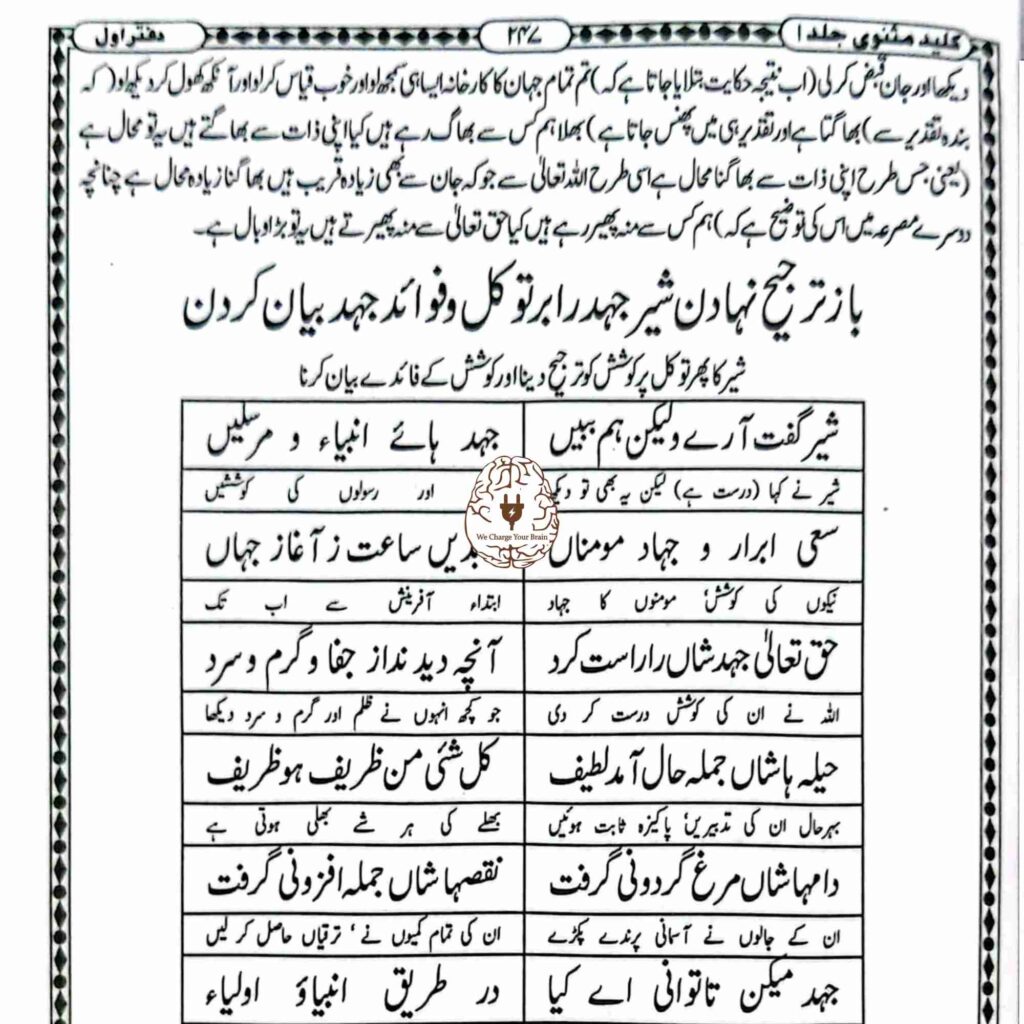
کلید مثنوی
کلید مثنوی
حضرت مولانا جلال الدین رومی رحمہ اللہ تعالیٰ کی عالمی شہرت یافتہ “مثنوی مولوی معنوی” کی جامع، لاجواب بہترین اردو شرح ۔ از حکیم الامت حضرت مولانا اشرف علی تھانوی رحمہ اللہ تعالیٰ ۔
نو جلدوں پر مشتمل مکمل 24 حصے ۔ پہلی مرتبہ پاکستان میں طبع کئے گئے ہیں ۔ اس کے علاوہ مثنوی شریف کی کوئی بھی مکمل شرح نہیں ہے ۔
9 in stock
Scholarly Context & Historical Significance
Mawlana Jalaluddin Rumi’s Mathnawi-e-Ma’navi stands as a monumental epic of Persian mystical literature, celebrated worldwide for its poetic brilliance, allegorical depth, and spiritual psychology. However, its lofty Persian verses, subtle allegories, and ecstatic expressions (Shatahat) often led untrained readers into dangerous theological misunderstandings or speculative fatalism.
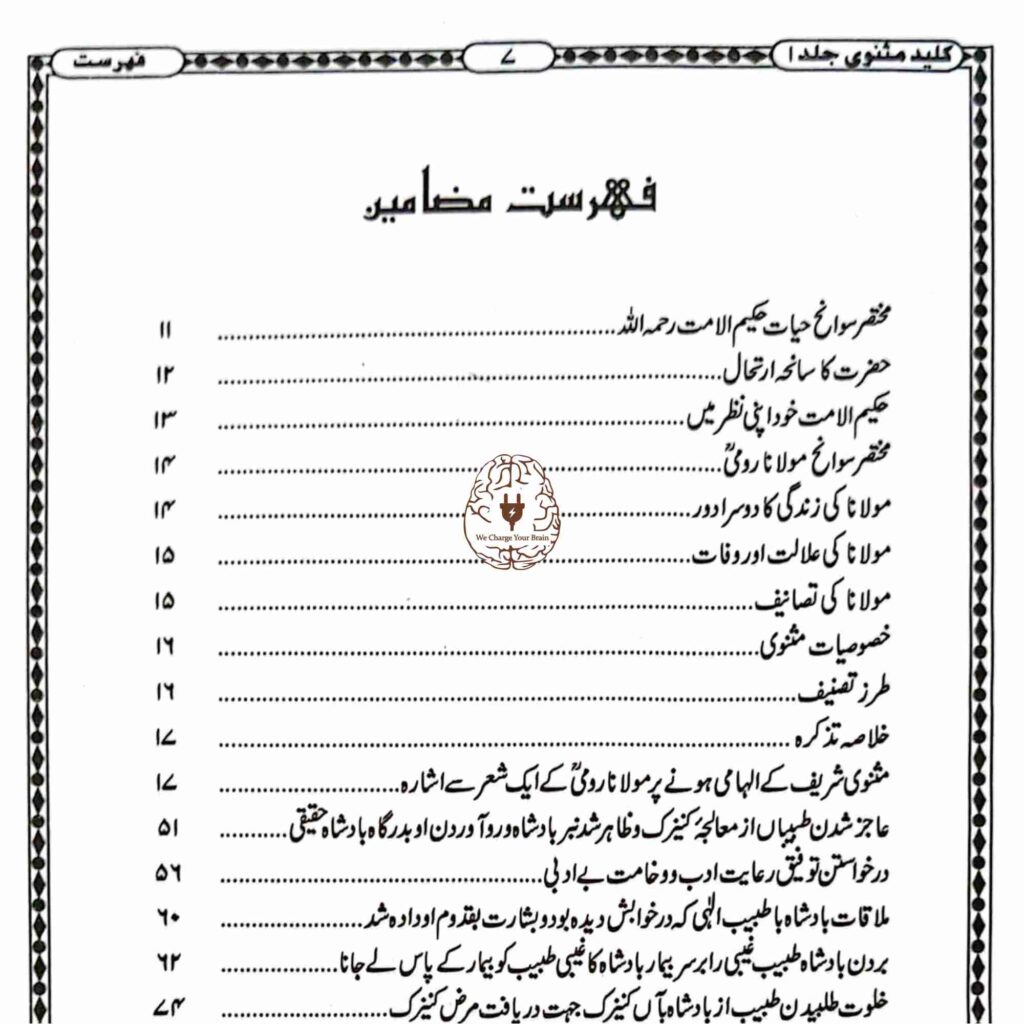
To bridge this intellectual dilemma, Hakeem-ul-Ummat Maulana Ashraf Ali Thanvi authored Kaleed-e-Masnavi (The Key to the Mathnawi). Published for the first time in Pakistan as a complete 9-volume, 24-part edition, this monumental work represents the only exhaustive, Shariah-grounded, and academically authoritative Urdu commentary of the complete Mathnawi Sharif.
Methodological & Structural Highlights
Maulana Thanvi employs a meticulous pedagogical methodology:
Literal & Contextual Translation: Provides exact linguistic translations of the original Persian couplets into refined Urdu.
Resolution of Apparent Conflicts (Tatbiq): Clarifies seemingly paradoxical poetic statements and reconciles them with the orthodox tenets of Ahl-us-Sunnah wal-Jama’ah.
Extraction of Practical Moral Lessons: Distills tangible ethical rules, self-discipline techniques, and behavioral adjustments from poetic parables.
Target Audience: Advanced students of spiritual literature, Persian and Urdu scholars, professors, and serious seekers seeking an uncorrupted understanding of Rumi’s genius.
2. Jawahirat-e-Hakeem-ul-Ummat (جواہرات حکیم الامت) – The Distilled Essence of 64 Volumes
Original Discourse: Hakeem-ul-Ummat Hazrat Maulana Ashraf Ali Thanvi (رحمہ اللہ)
Compiler & Editor: Sufi Muhammad Iqbal Qureshi (رحمہ اللہ) (Khalifa-e-Khas of Mufti-e-Azam Mufti Muhammad Shafi Usmani)
Scholarly Endorsement: Shaykh-ul-Islam Hazrat Maulana Mufti Muhammad Taqi Usmani
Publisher: Idara Taleefat-e-Ashrafia
Volumes: 4 Magnificent Volumes
Direct Access: Order Jawahirat-e-Hakeem-ul-Ummat at Kitabfarosh
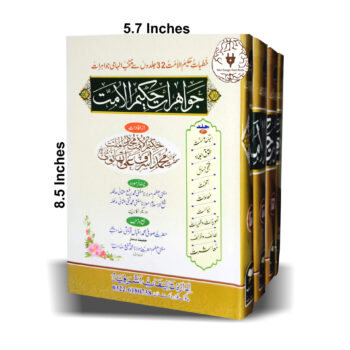
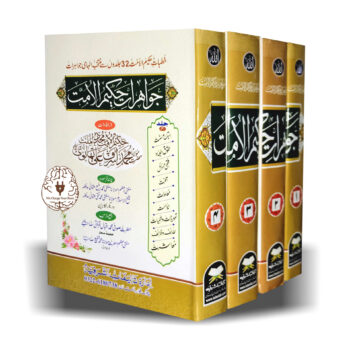
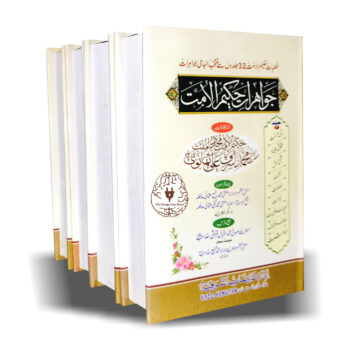
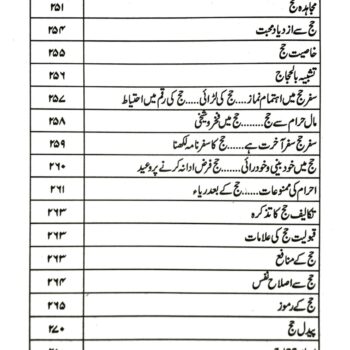
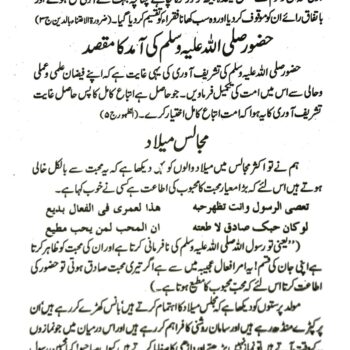
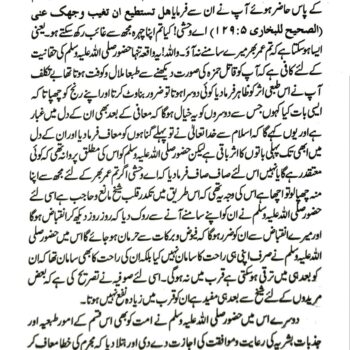
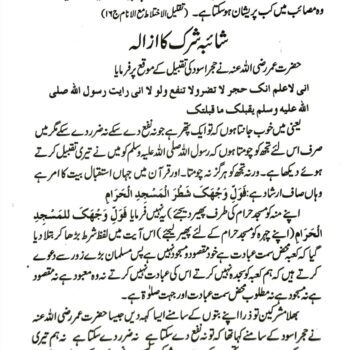
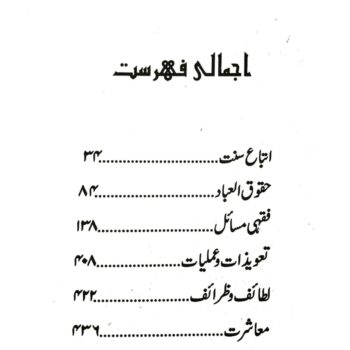
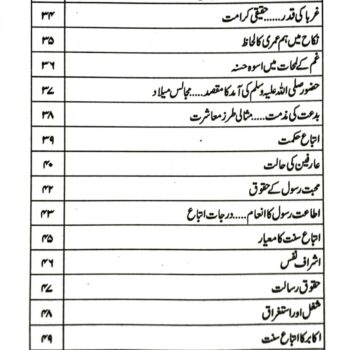
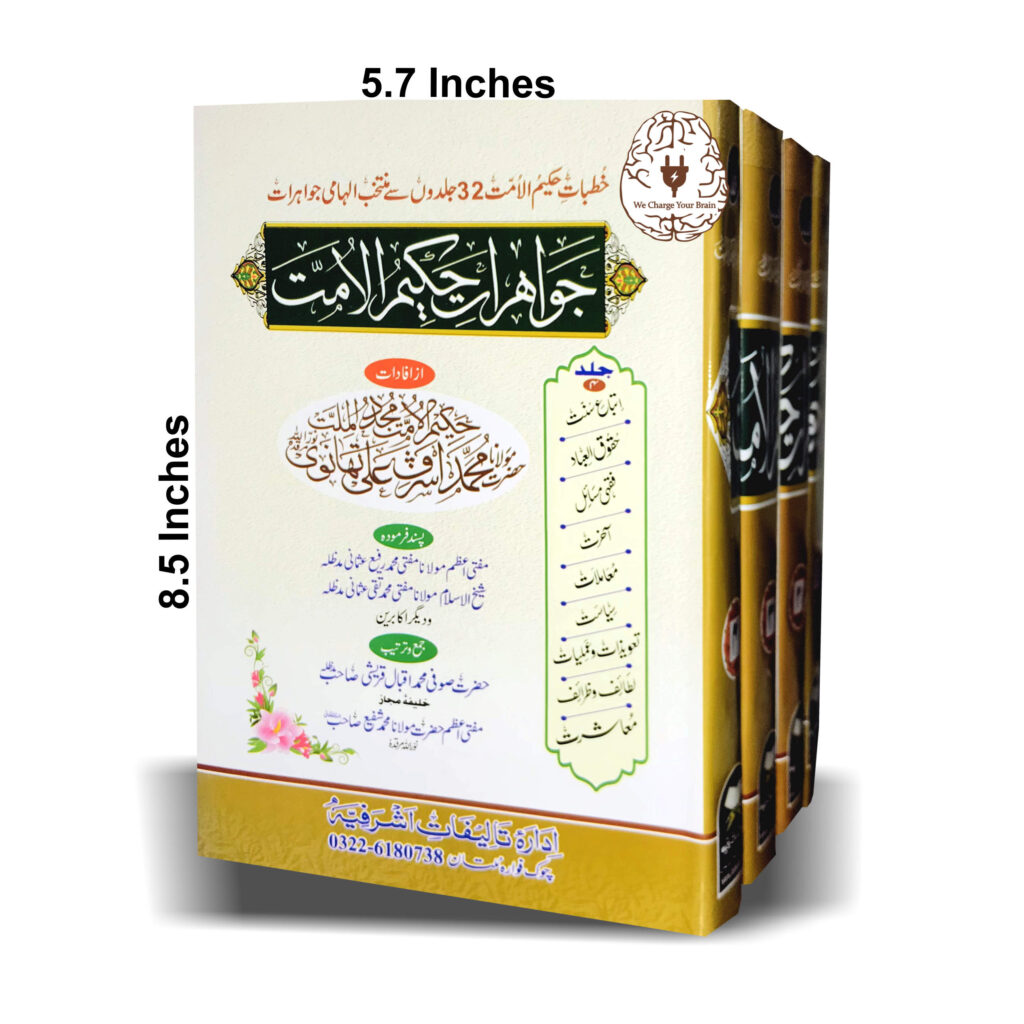
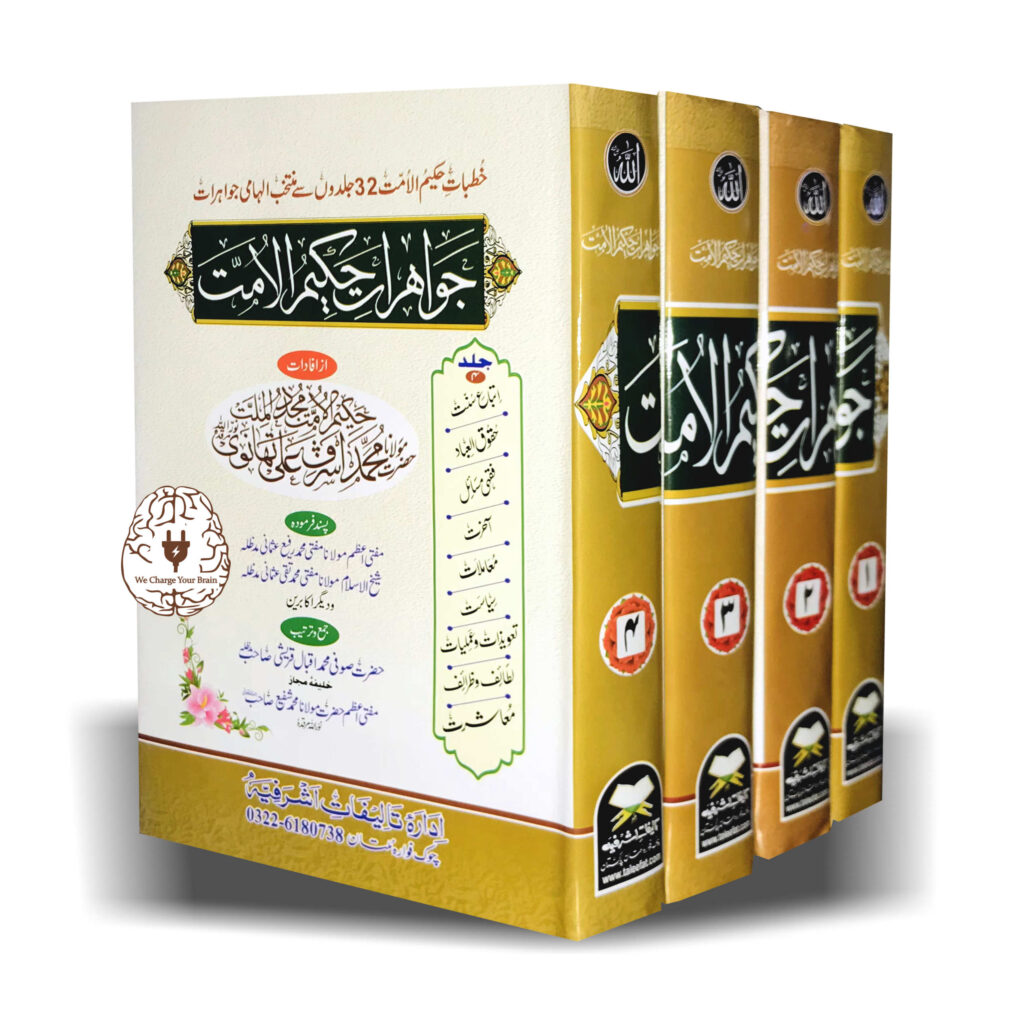
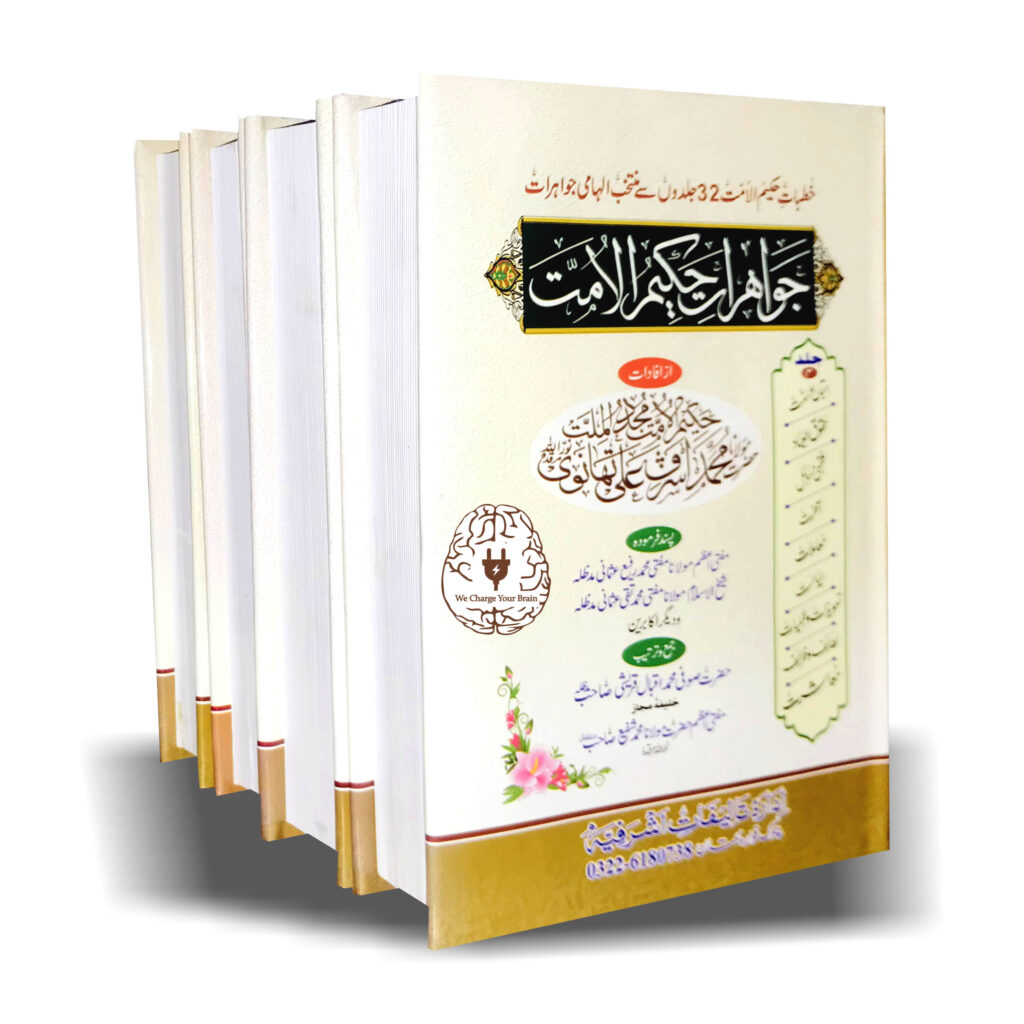
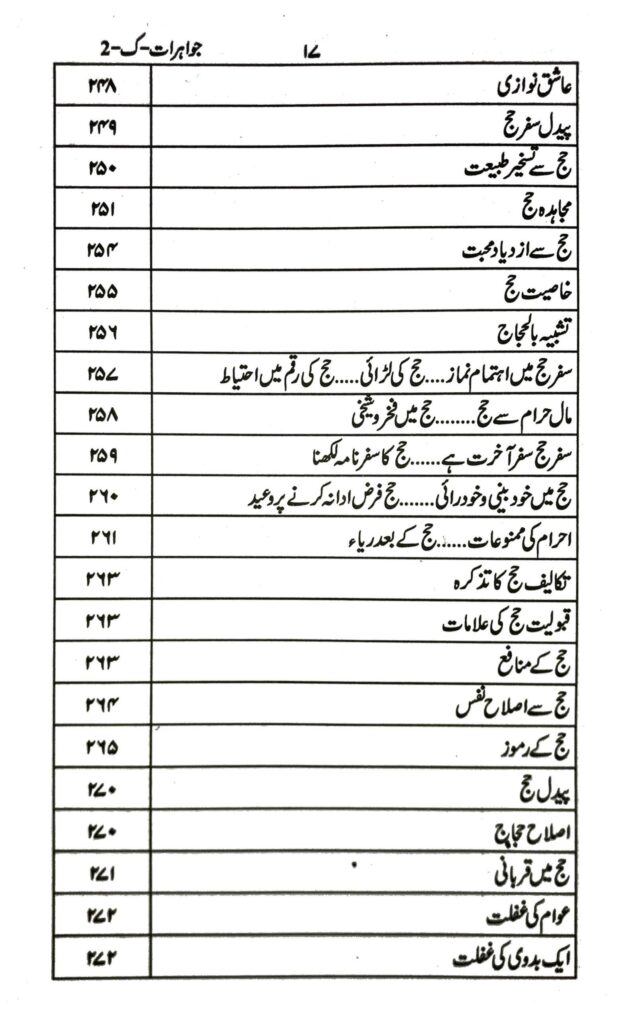
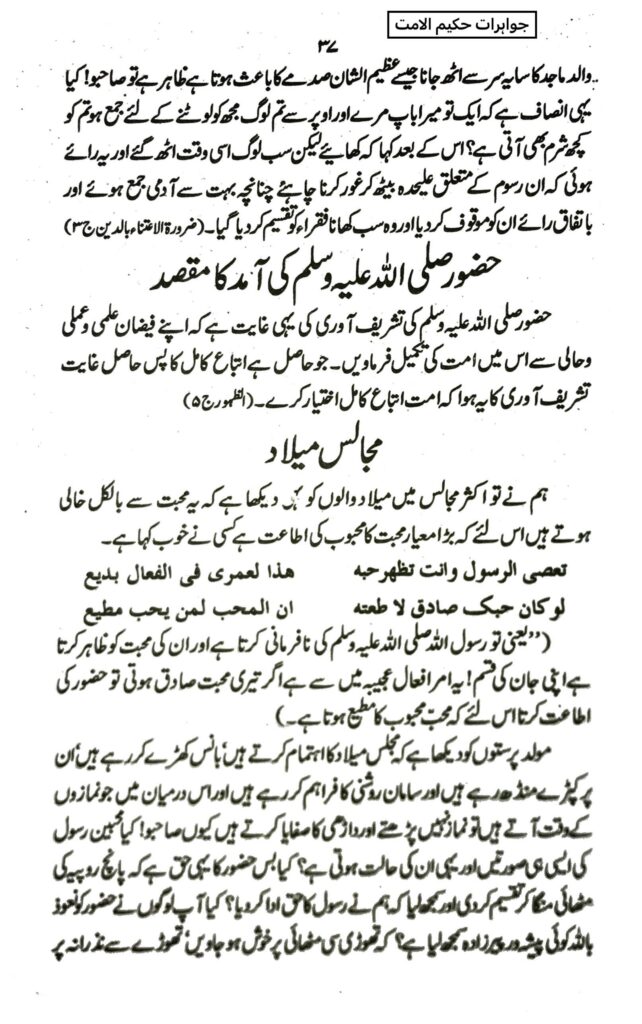
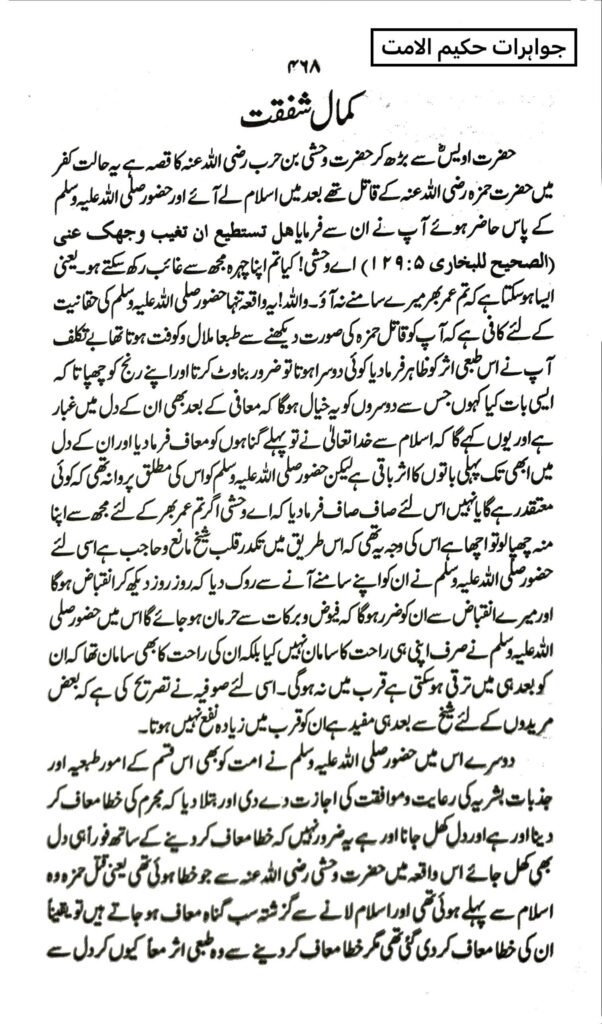
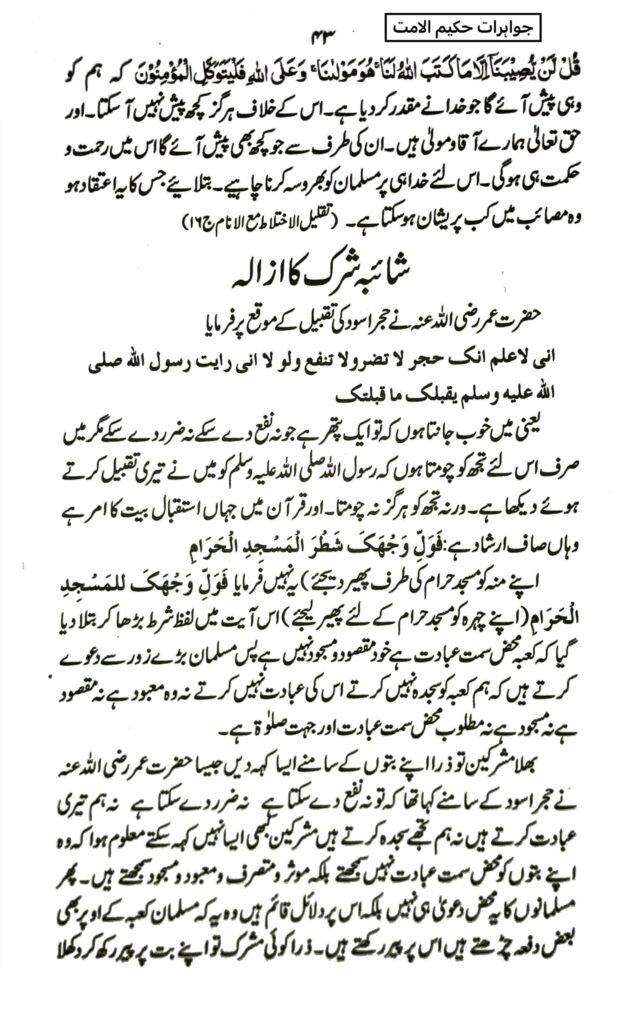
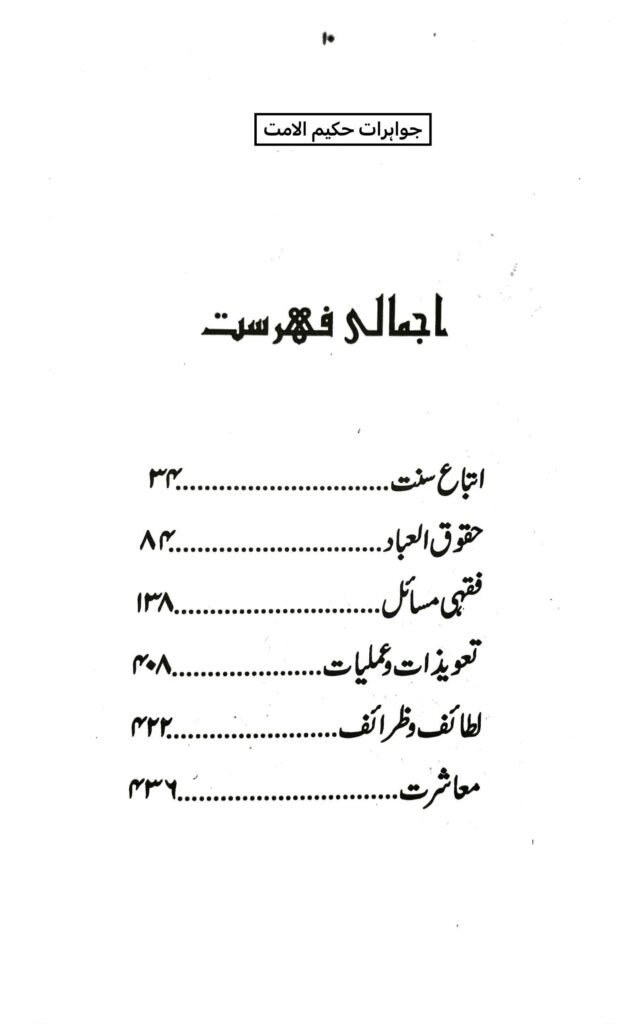
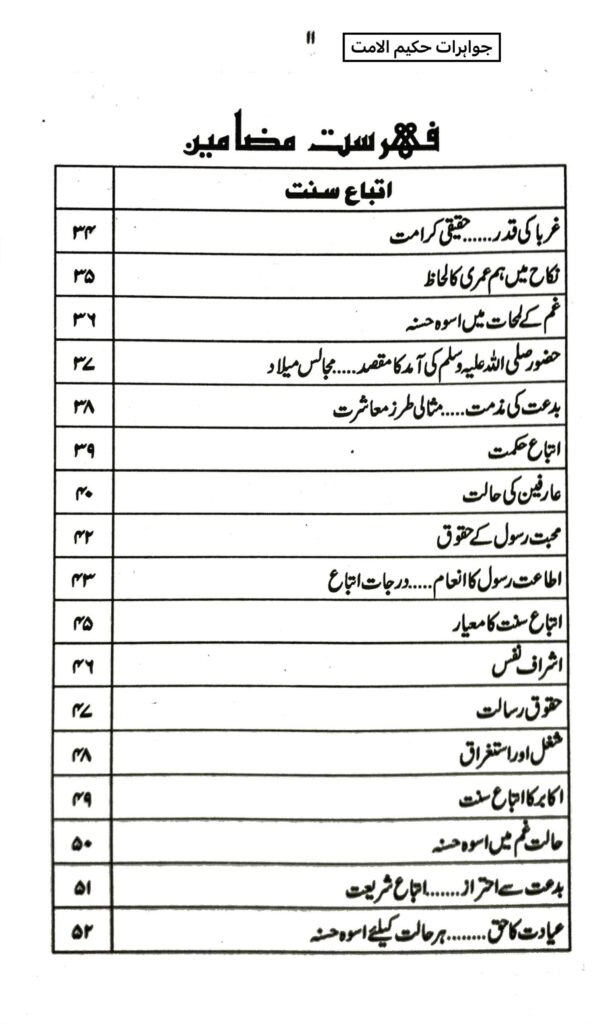
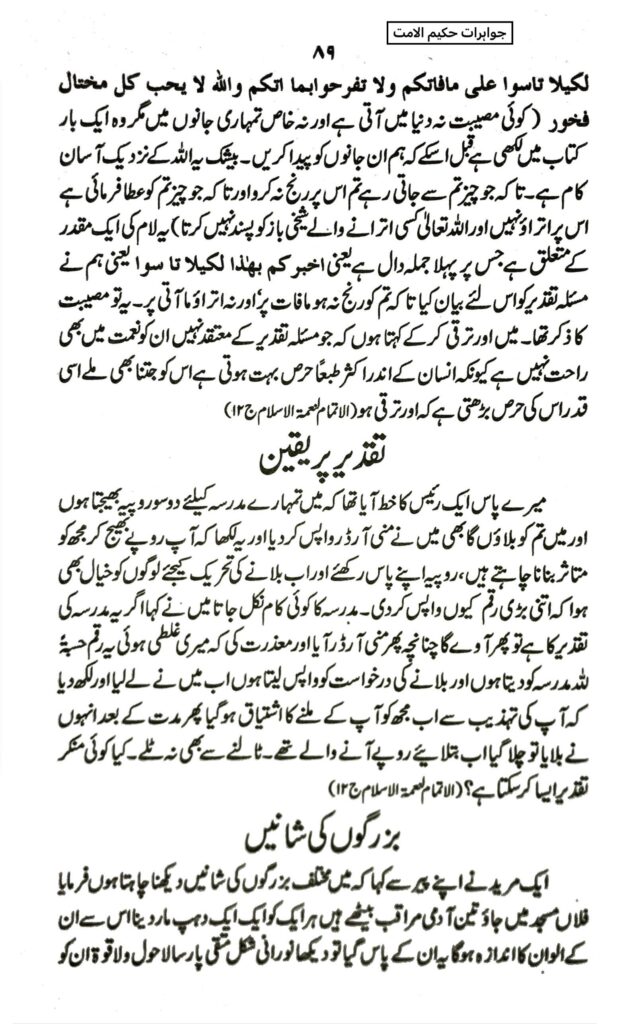
جواہرات حکیم الامت
جواہرات حکیم الامت
خطبات حکیم الامت 32 جلدوں سے منتخب الہامی جواہرات کا مجموعہ ۔
پسند فرمودہ: شیخ الاسلام حضرت مولانا مفتی محمد تقی عثمانی
جمع وترتیب: صوفی محمد اقبال قریشی خلیفہ مفتی اعظم مفتی شفیع عثمانی رحمہم اللہ تعالیٰ
مطبوعہ ادارہ تالیفات اشرفیہ
4 in stock
Scholarly Context & Need for Compilation
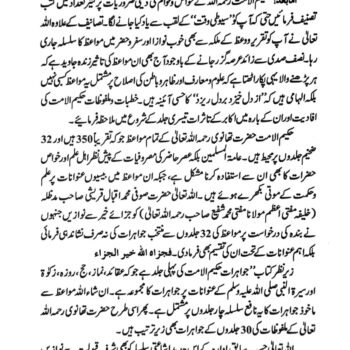
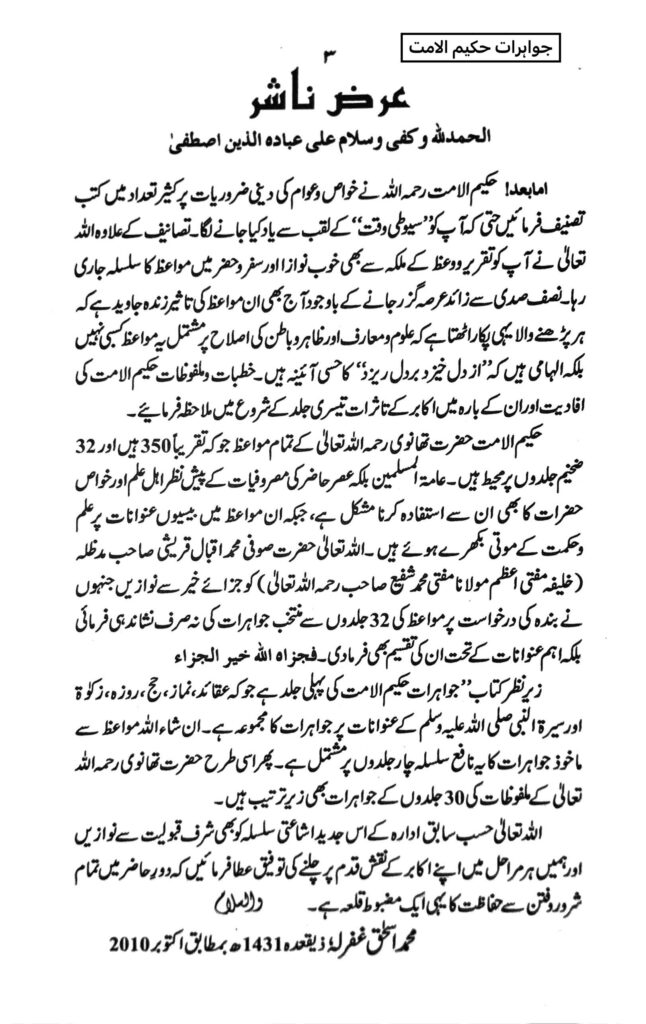
Maulana Ashraf Ali Thanvi authored over a thousand books, pamphlets, and compendiums, earning him the title Suyuti-e-Waqt (the Imam Suyuti of his era). His oral lectures (Khutbat and Mawaiz) alone span 350 discourses across 32 massive volumes, alongside another 32 volumes of daily recorded counsels (Malfuzat).
For contemporary scholars, professionals, and busy students, studying 64 heavy volumes is practically challenging. To make this treasure accessible, Sufi Muhammad Iqbal Qureshi dedicated years to extracting the absolute core insights from these 64 volumes and organizing them thematically into a 4-volume compendium titled Jawahirat-e-Hakeem-ul-Ummat.
Thematic Scope & Structural Features
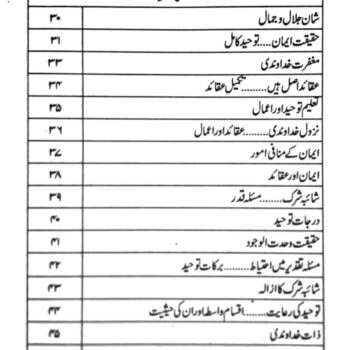
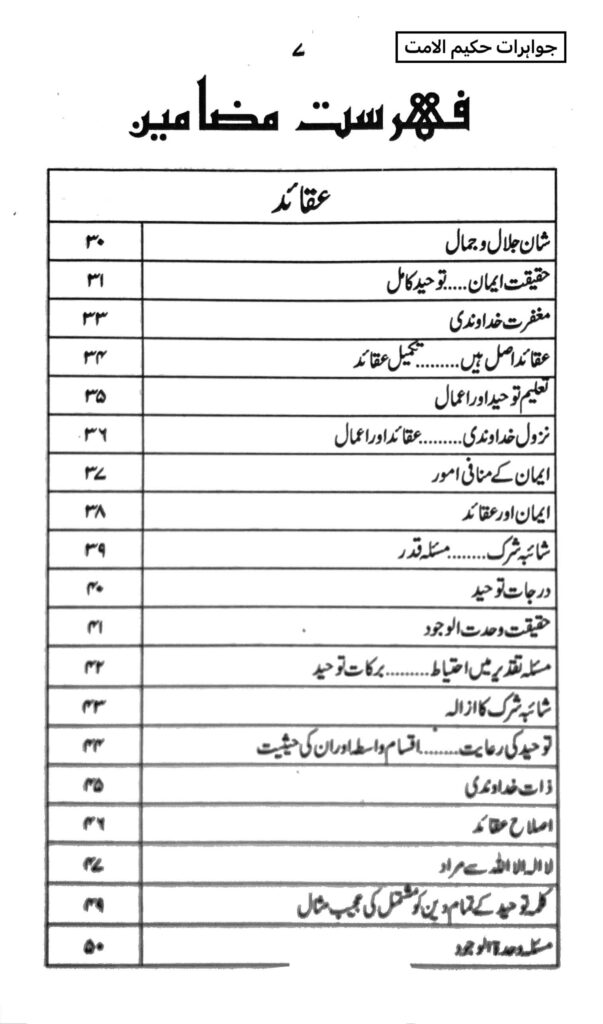
Thematic Systematization: Rather than a chronological diary, the material is categorized logically under practical headings: Prayer (Salah), Pilgrimage (Hajj), Fasting (Sawm), Charity (Zakah), Prophetic Biography (Seerat-un-Nabi), Adherence to the Sunnah (Ittiba-e-Sunnah), and Human Rights (Huquq-ul-Ibad).}
Affordability and Efficiency: Acts as a condensed spiritual library, offering readers the profound fruits of 64 volumes at a fraction of the cost and study time.
Scholastic Validation: Validated and praised by Shaykh-ul-Islam Mufti Muhammad Taqi Usmani for its precision and accessibility.
3. Tas-heel-ul-Mawaiz (تسہیل المواعظ) – 52 Essential Sermons for Household Reformation
Original Sermons: Hakeem-ul-Ummat Maulana Ashraf Ali Thanvi (رحمہ اللہ)
Compilation: Prepared under Idara Taleefat-e-Ashrafia
Format: 2 Comprehensive Volumes
Direct Access: Order Tas-heel-ul-Mawaiz at Kitabfarosh

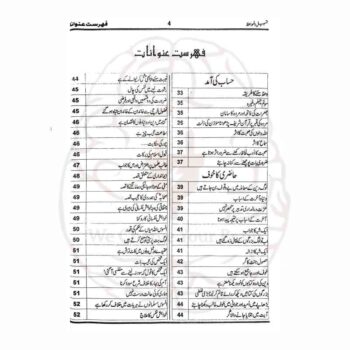
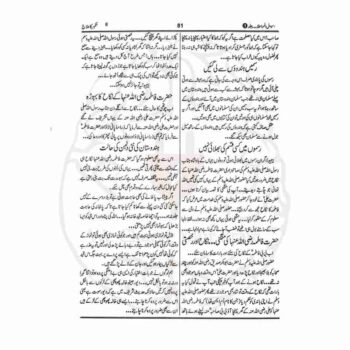
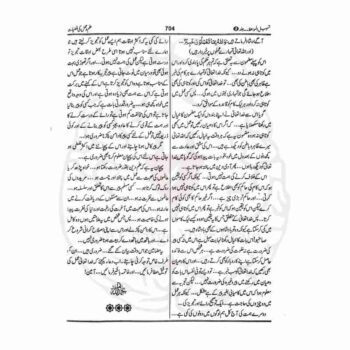
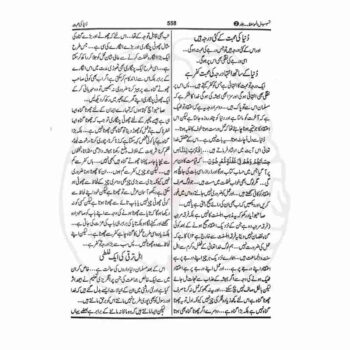
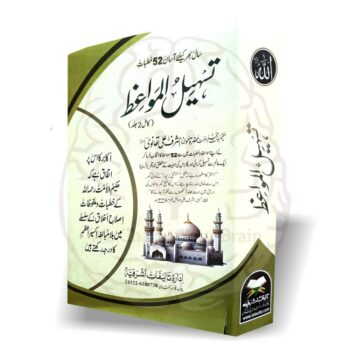


تسہیل المواعظ
تسہیل المواعظ
حضرت حکیم الامت مولانا اشرف علی تھانوی رحمہ اللہ تعالیٰ کے باون تسہیل شدہ خطبات
حضرت نے خود فرمایا تھا کہ بہشتی زیور کی طرح اس کتاب سے بھی کوئی گھر خالی نہ رہے ۔ اس کا نفع گھر والوں کی درستی میں بہت جلد آنکھوں سے نظر آجائے گا ۔
10 in stock
Background and Purpose
In Muharram 1335 AH, Maulana Thanvi observed that while his detailed theological discourses were heavily sought after by Islamic scholars, everyday Muslims experienced intellectual fatigue due to the complexity of the legalistic arguments. Consequently, he personally curated 52 critical sermons focusing exclusively on inward reform (Islah-e-Batin) and character refinement (Islah-e-Akhlaq), ordering that high-level technical digressions be removed to make them immediately understandable for the general public.
Maulana Thanvi famously remarked:
“Just as no household should remain devoid of Bahishti Zewar, no household should remain without Tas-heel-ul-Mawaiz. Its practical benefit in reforming family life will be witnessed by the inmates with their own eyes within days.”
Core Strengths & Practical Application
52 Transformative Sermons: Designed to be read systematically—one sermon per week over the course of a year—instilling steady, incremental character development.
Plain, Expressive Urdu: Stripped of convoluted terminology, making it suitable for household family circles (Taleem), youth, and non-specialists.
Remedy for Societal Maladies: Directly addresses real-world domestic conflict, arrogance, jealousy, mistrust, and neglect of interpersonal duties.
4. Zahiri Batini Kabira Gunah (ظاہری باطنی کبیرہ گناہ) – Complete Treatise on Major Sins
Author: Allama Ibn Hajar al-Haytami al-Makki (رحمہ اللہ)
Original Classical Title: Kitab az-Zawajir ‘an Iqtiraf al-Kaba’ir (کتاب الزواجر عن اقتراف الکبائر)
Urdu Translation: Maulana Muhammad Zafar Iqbal
Direct Access: Order Zahiri Batini Kabira Gunah at Kitabfarosh
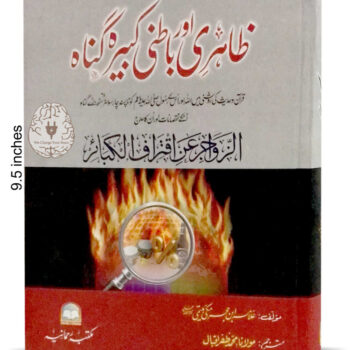
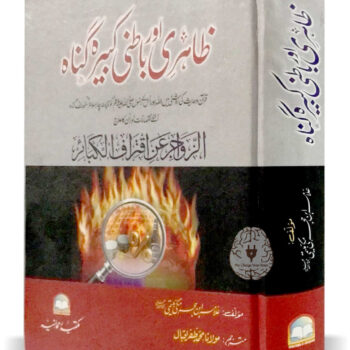
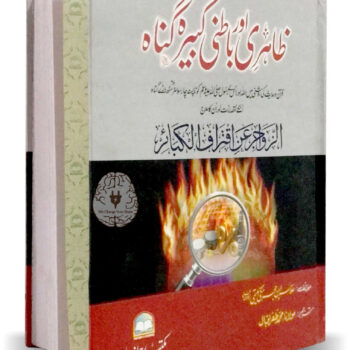
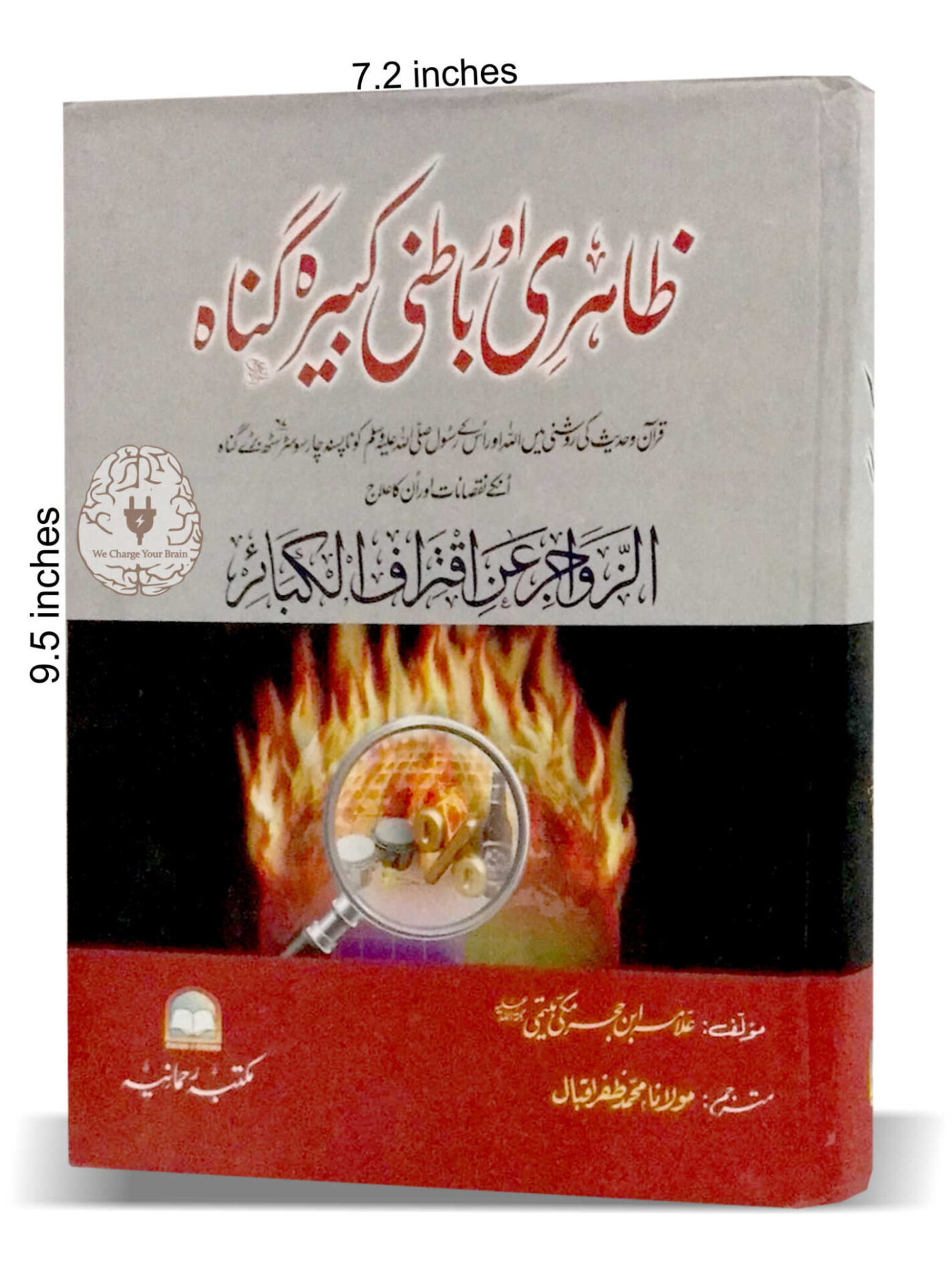
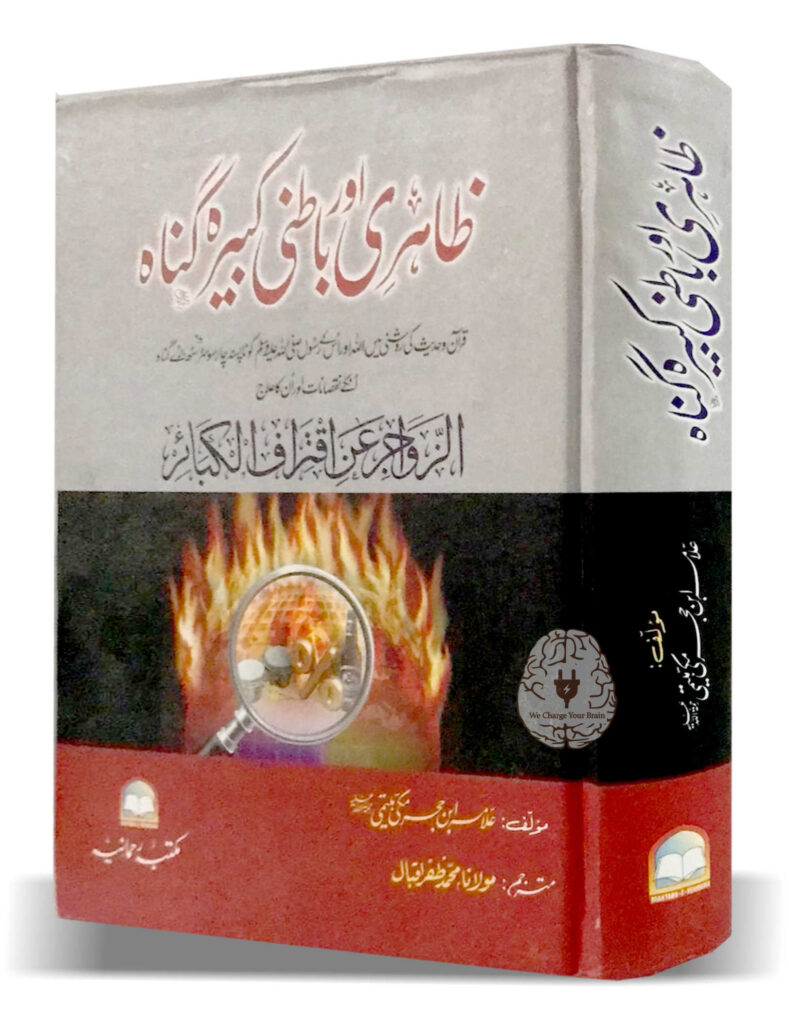
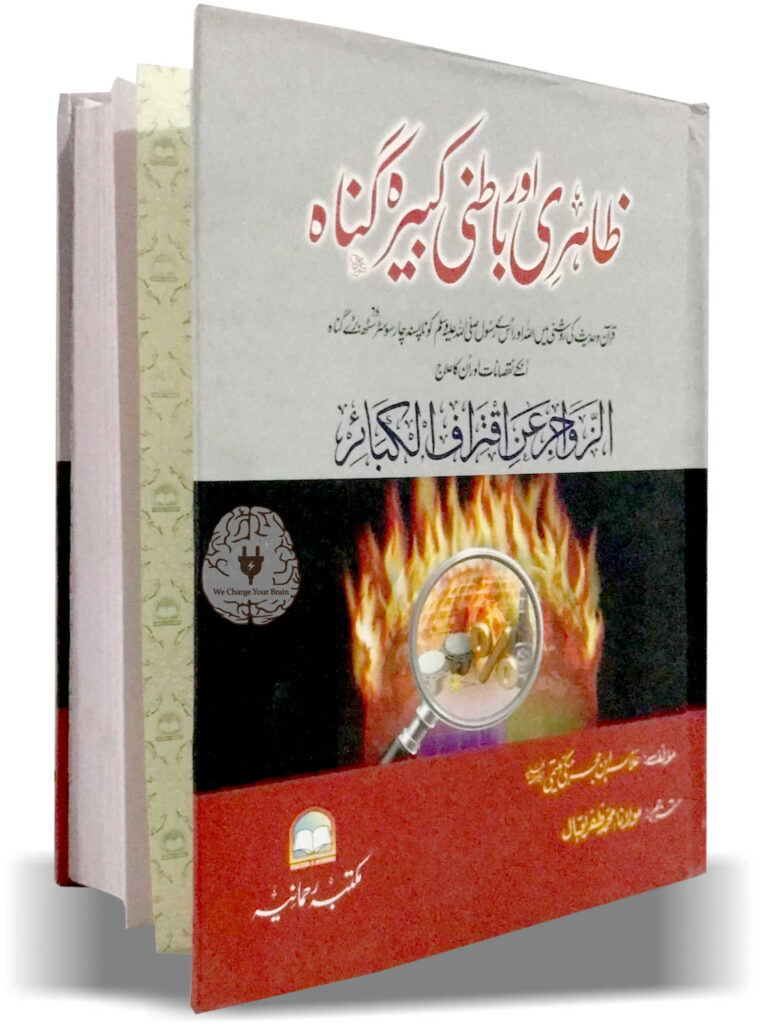
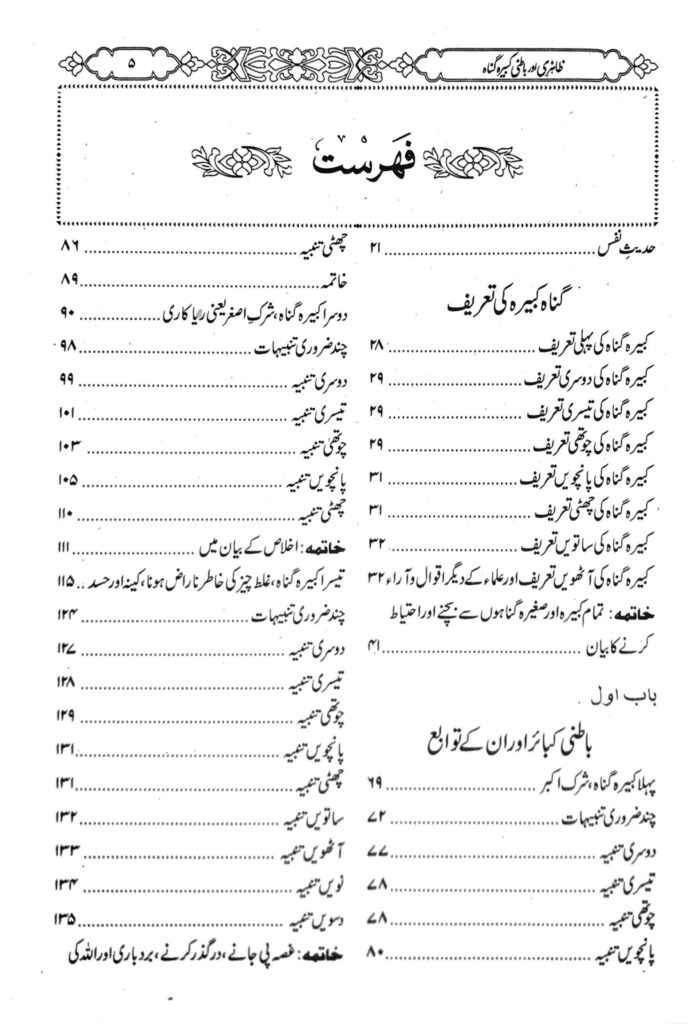
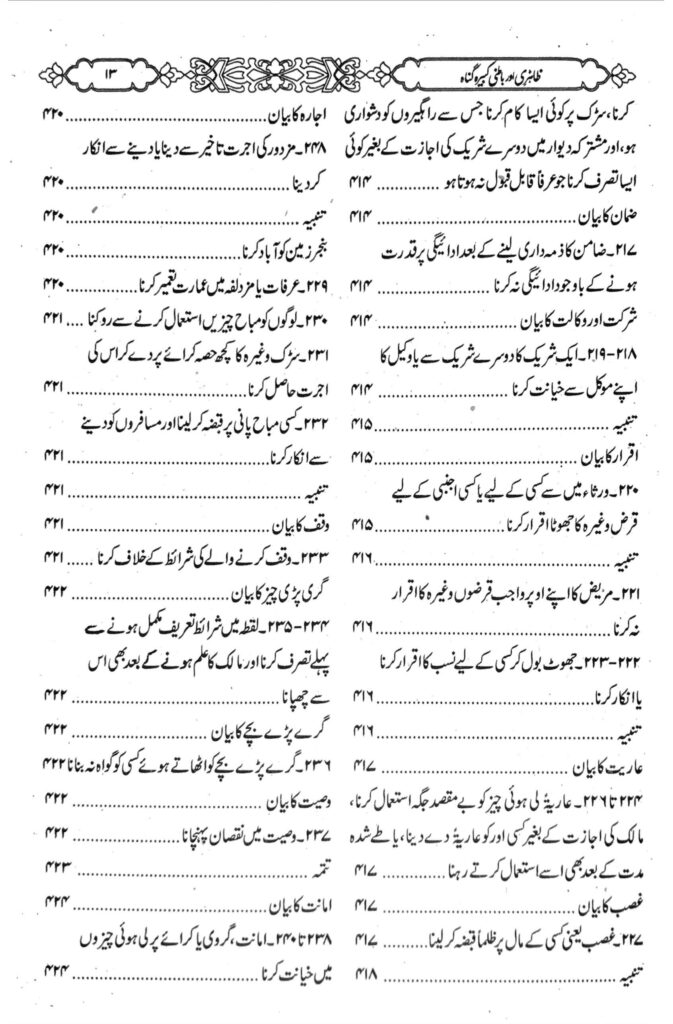
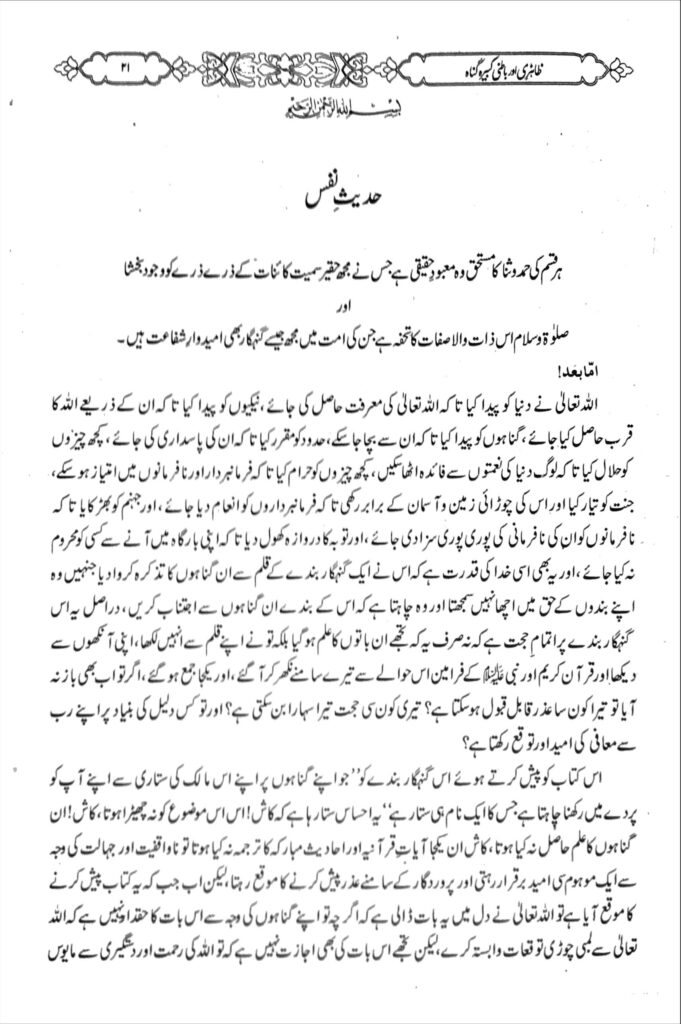
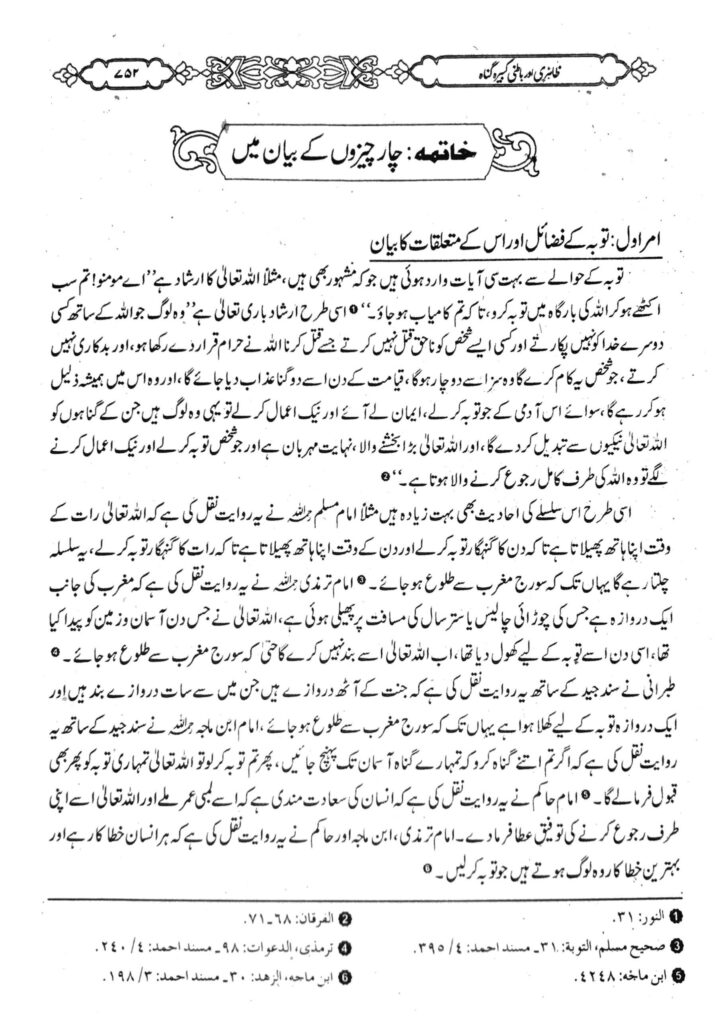
ظاہری اور باطنی کبیرہ گناہ
ظاہری باطنی کبیرہ گناہ
قرآن و حدیث کی روشنی میں اللہ اور اسکے رسول صلی اللہ علیہ وسلم کو ناپسند چار سو ستاسٹھ بڑے گناہ
ان گناہوں کے نقصانات اور ان سے بچنے کے طریقے بھی اس کتاب میں شامل ہیں
اردو ترجمہ کتاب الزواجر عن اقتراف الکبائر
مؤلف علامہ ابن حجر مکی ہیتمی ۔ ترجمہ مولانا محمد ظفر اقبال ۔
4 in stock
Inward Diagnostics & Scholarly Dilemma
A foundational prerequisite for spiritual elevation is the abandonment of transgressions (Tark-e-Ma’asi). Many seekers immerse themselves in optional prayers (Nawafil) and litanies (Azkar) while ignoring major sins that nullify spiritual reward. Moreover, common discourse fixates on outward crimes while ignoring devastating inward sins.
In this Urdu translation of Allama Ibn Hajar al-Makki’s celebrated classical Arabic manual, 467 major sins are cataloged with rigorous proofs from the Quran and authentic Prophetic Hadith.
Analytical Framework
The Dual Taxonomy of Sins: Allama al-Haytami divides transgressions into:
Zahiri Kabair (Outward Major Sins): Transgressions executed by physical limbs—tongue, eyes, ears, stomach, and hands (e.g., usury, false testimony, backbiting, theft).
Batini Kabair (Inward Major Sins): Sins of the heart—spiritual arrogance (Ujb), self-righteousness, jealousy (Hasad), harboring resentment, and doubting divine mercy.
Self-Audit Methodology: Each entry details the sin’s definition, its societal and spiritual consequences, and practical prophylactic steps to guard oneself from falling into it.
A Catalyst for True Repentance: Provides the essential metric for personal moral accounting (Muhasabah), steering the reader from self-deception toward heartfelt repentance.
5. Tasawwuf Ka Encyclopedia: Al-Risala al-Qushayriyya (تصوف کا انسائیکلو پیڈیا)
Author: Imam Abu al-Qasim Abdul Karim Hawazin al-Qushayri (رحمہ اللہ)
Publisher: Maktaba Rahmaniya, Urdu Bazar, Lahore
Direct Access: Order Tasawwuf Ka Encyclopedia at Kitabfarosh
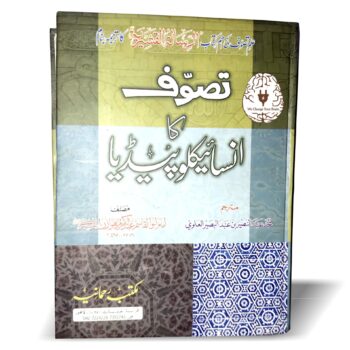
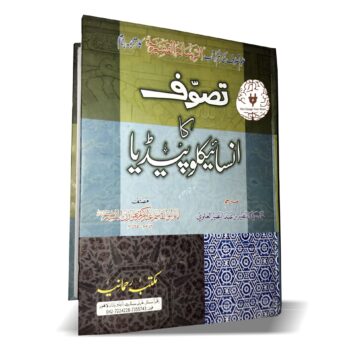
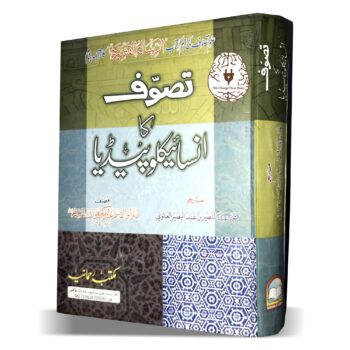
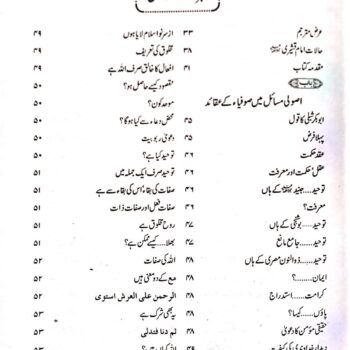

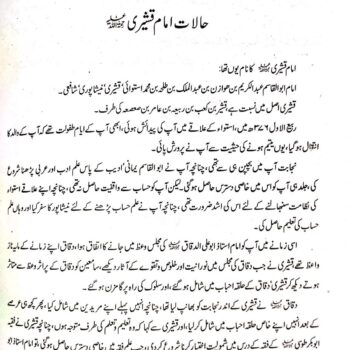
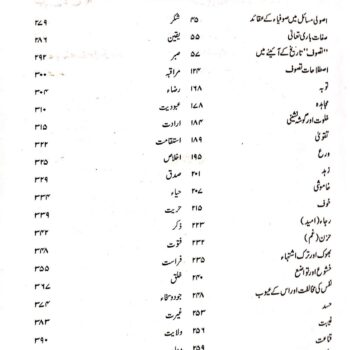
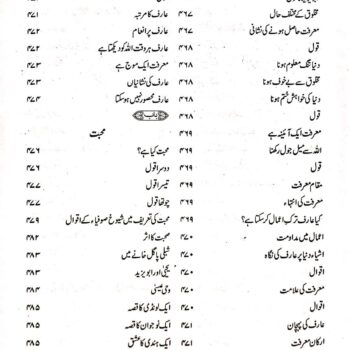
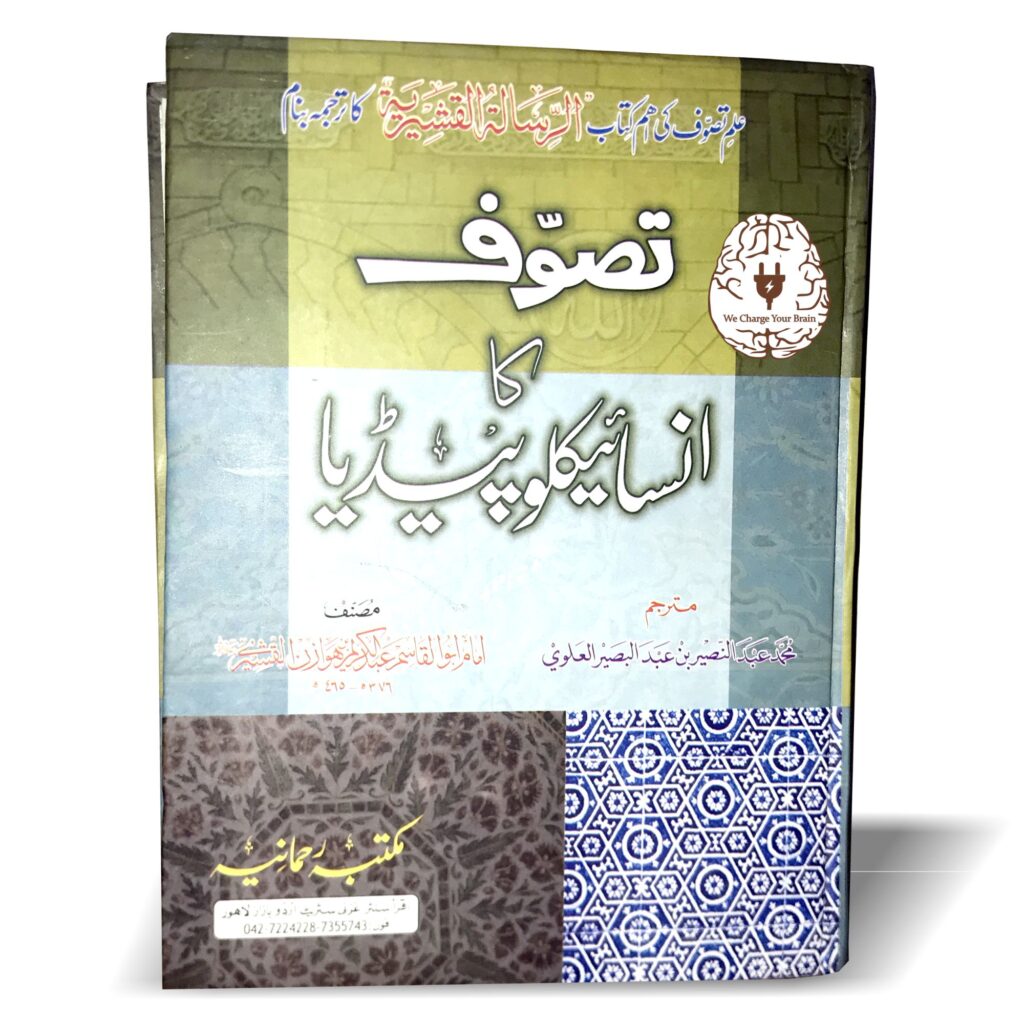
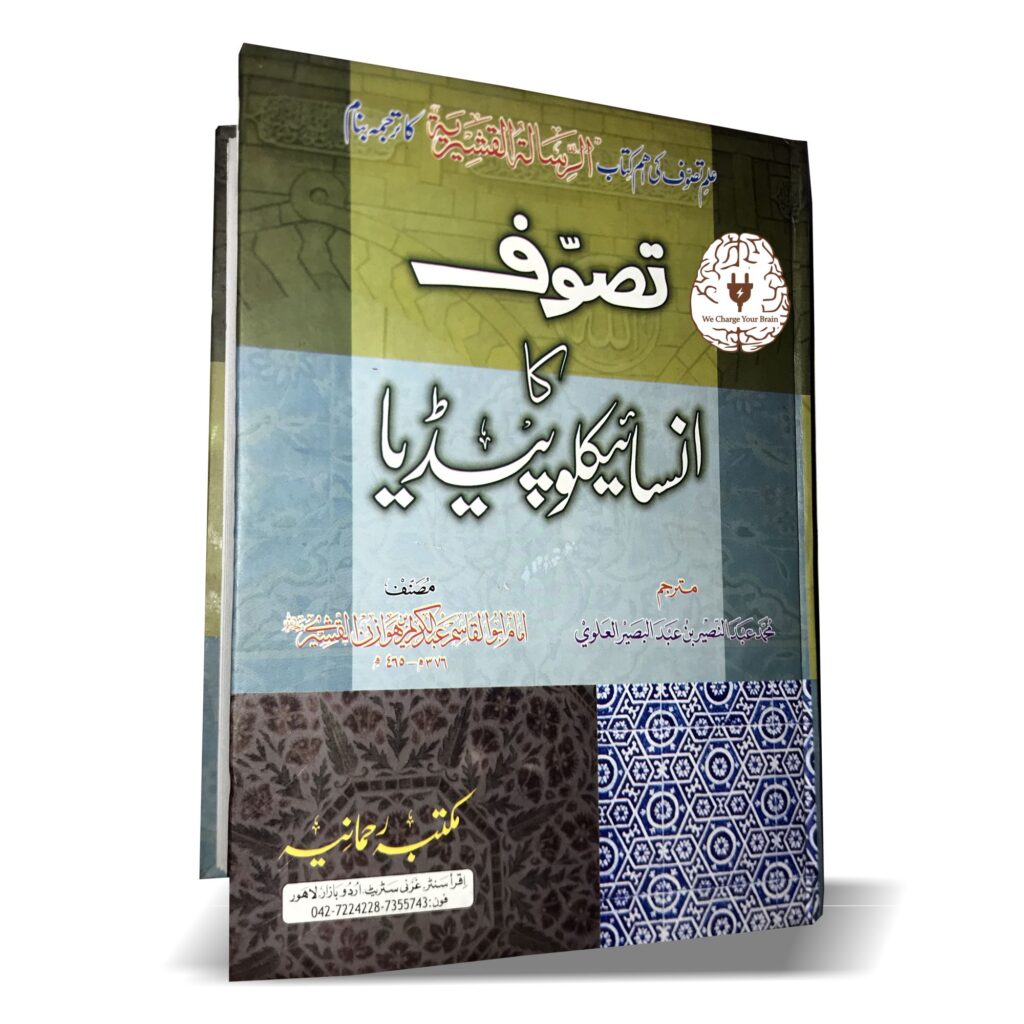
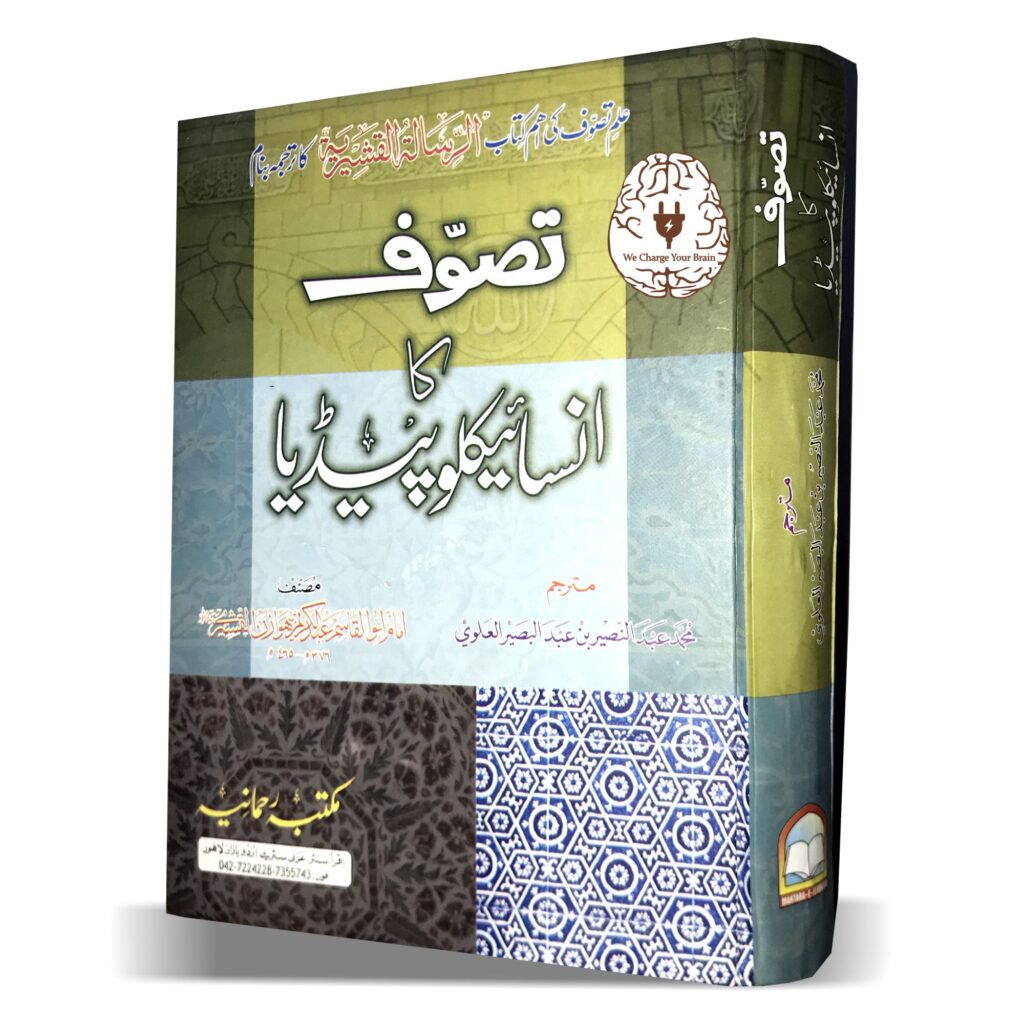
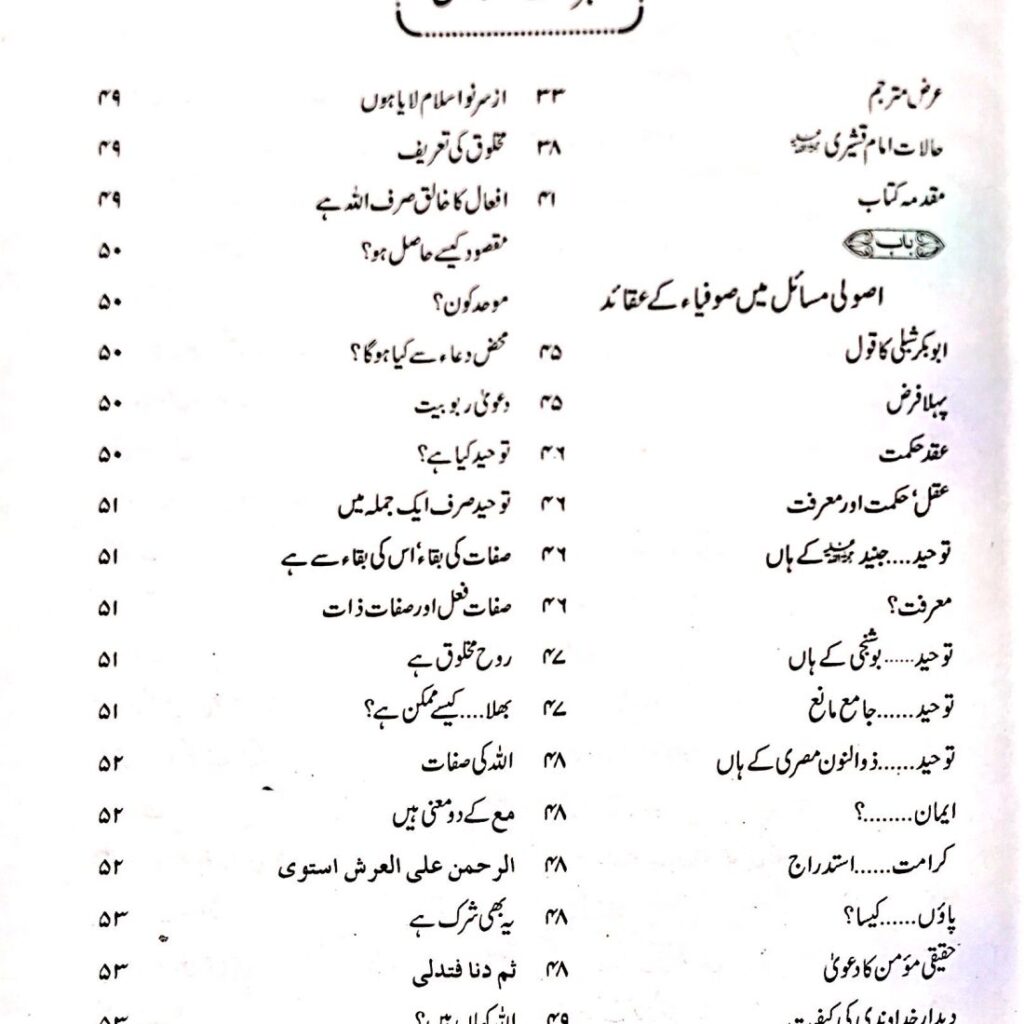
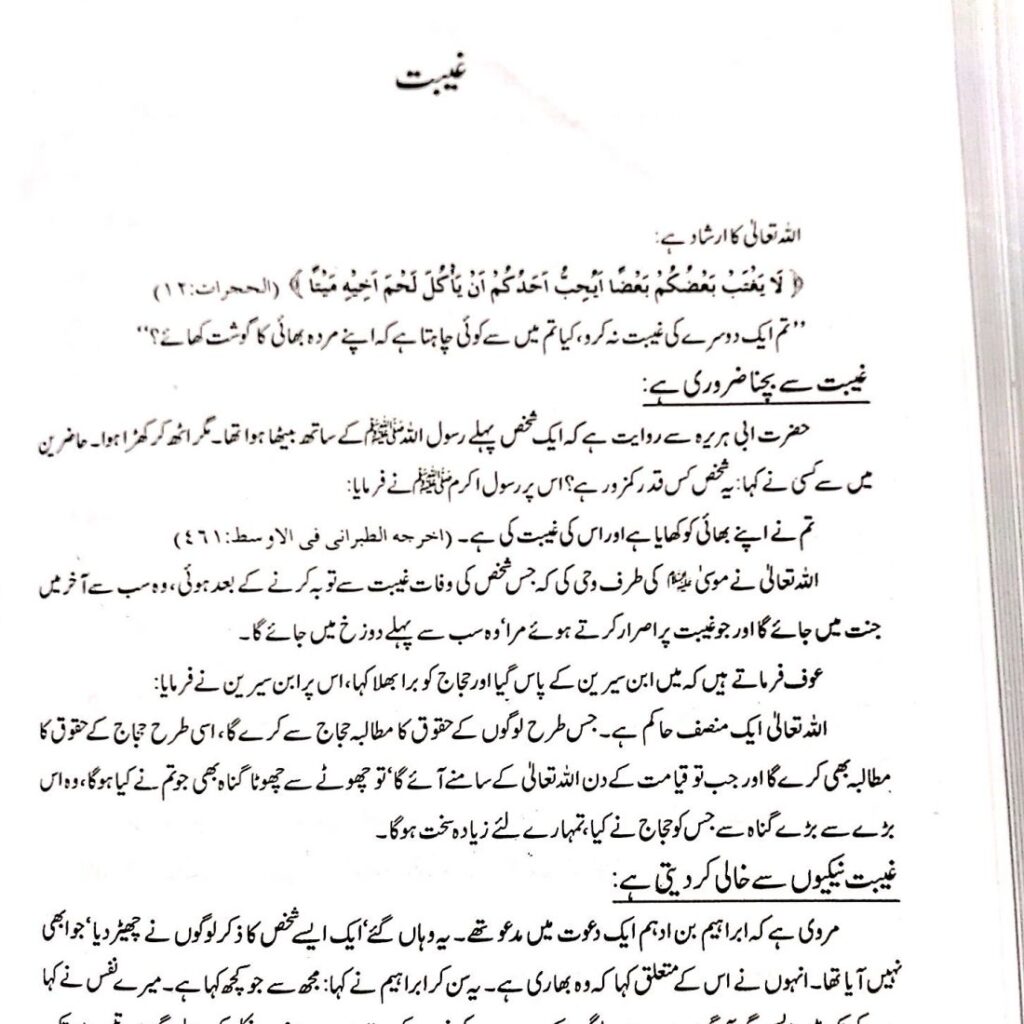
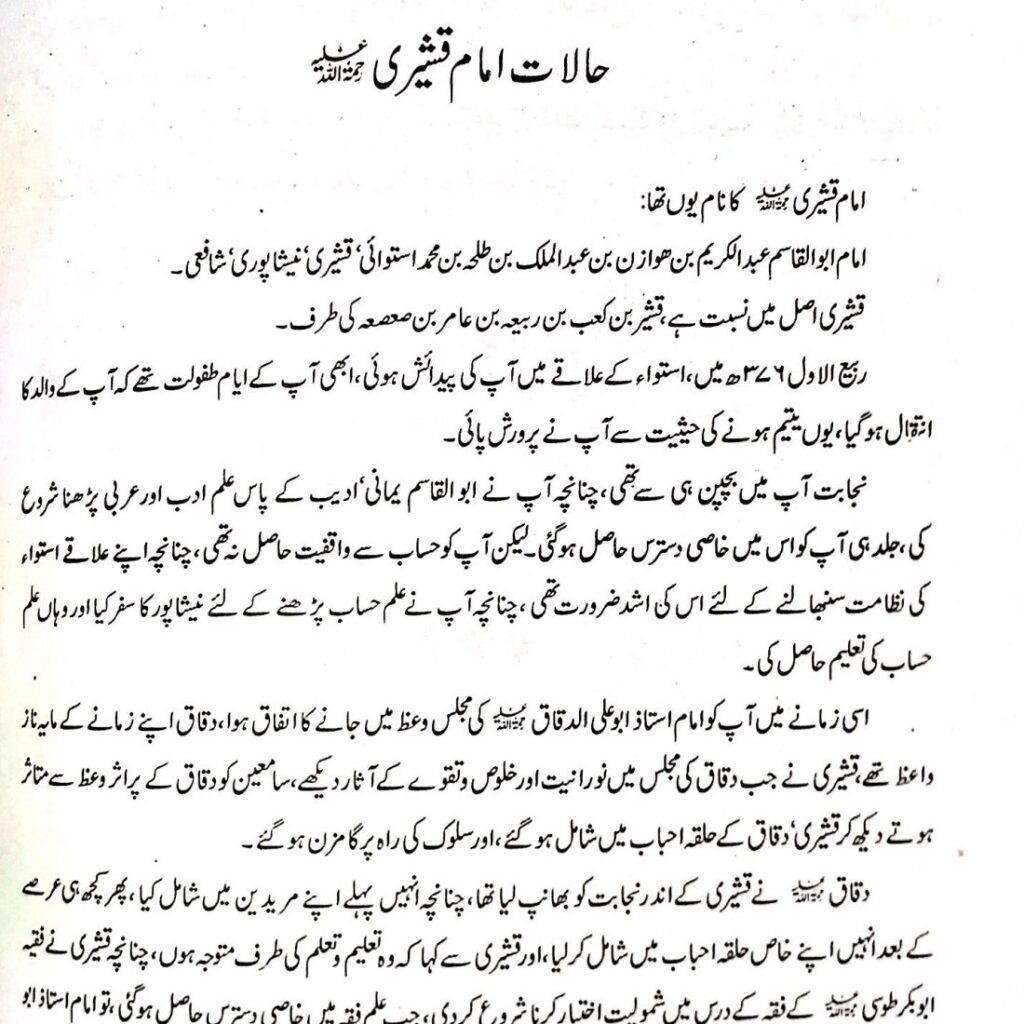
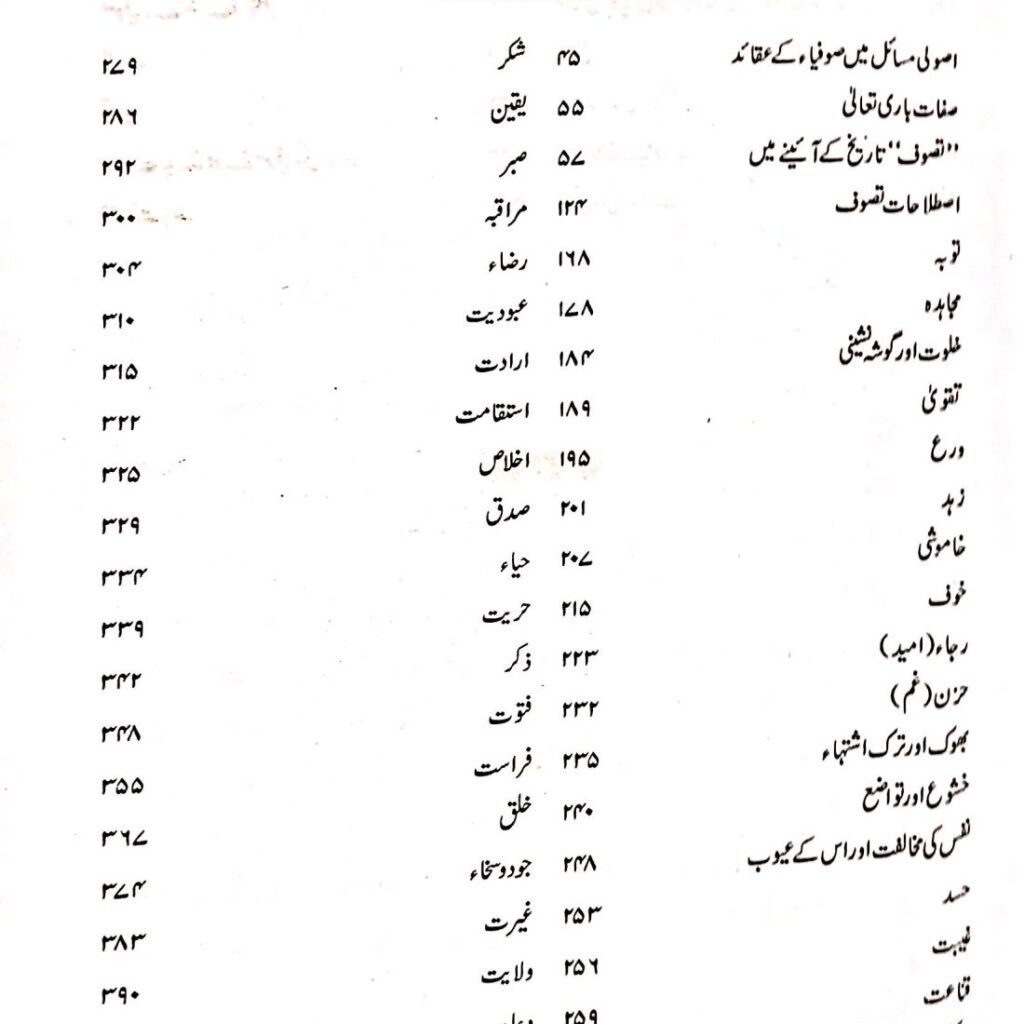
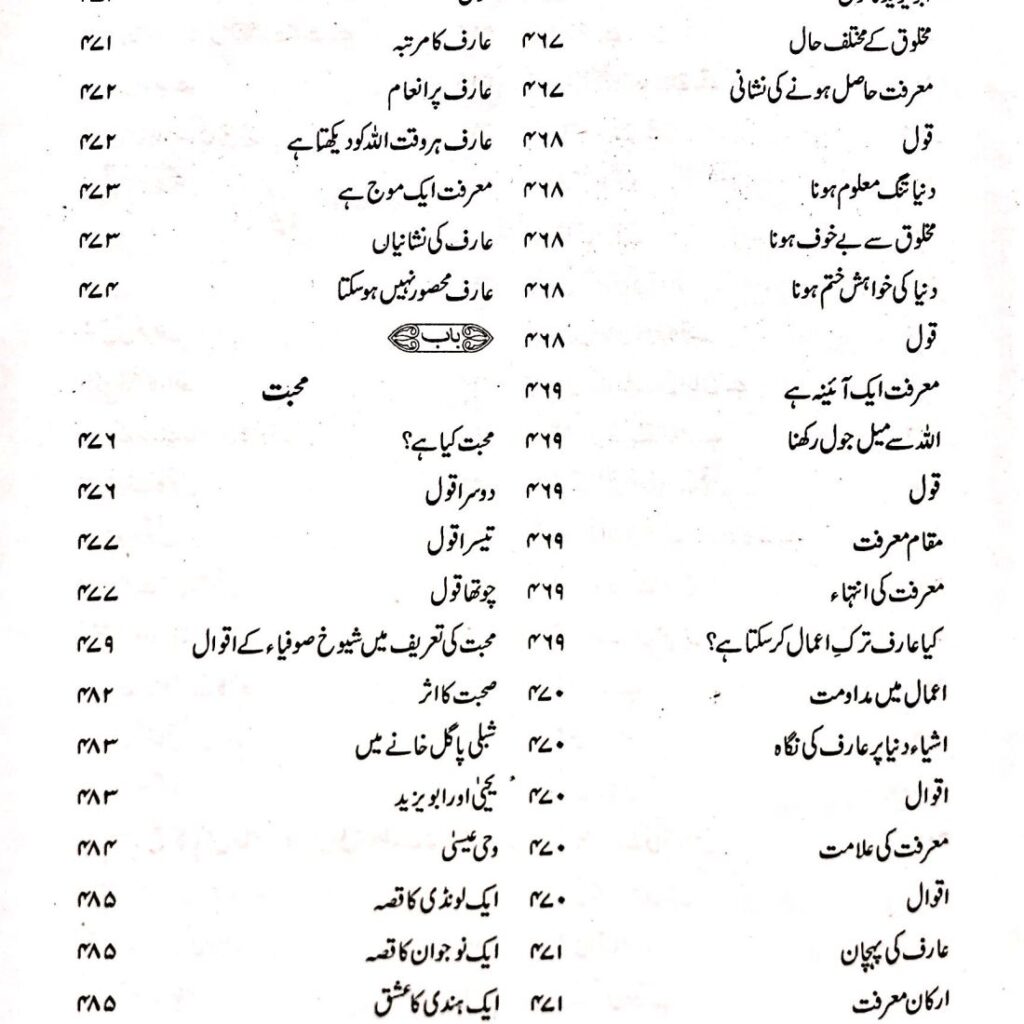
تصوف کا انسائیکلوپیڈیا الرسالۃ القشیریہ
تصوف کا انسائیکلوپیڈیا الرسالۃ القشیریہ
علم تصوف کی سب سے اہم مکمل اور مفصل کتاب ۔ مصنف امام ابو القاسم عبدالکریم ھوازن القشیری
مطبوعہ مکتبہ رحمانیہ لاہور اردو بازار
1 in stock
The Gold Standard of Classical Sufi Methodology
Authored in the 5th century Hijri, Al-Risala al-Qushayriyya is universally acknowledged by historians and traditional scholars as the definitive constitution of orthodox Sufism. It was authored at a pivotal time when pseudomystics began divorcing inner spirituality from the strict boundaries of the Shariah. Imam al-Qushayri composed this monumental manifesto to prove definitively that true Tasawwuf is built squarely on the Quran and Hadith.
Core Structural Composition
The work is structured into two systematic volumes/sections:
Biographical Profiles of the Early Masters: Chronicles the life stories, rigorous piety, legal adherence, and verified sayings of early luminaries including Fudayl ibn Iyad, Ibrahim ibn Adham, Maruf al-Karkhi, and Junayd al-Baghdadi.
Thematic Lexicon of Sufi Terminology & Stations: Clarifies elusive technical terminology used by spiritual guides, elaborating on states such as fear (Khawf), hope (Raja), yearning (Shawq), presence (Hudur), and intimacy (Uns).
Theological Orthodoxy: Every chapter opens with governing Quranic verses and authentic Hadith narrations, demonstrating that genuine spiritual ascension cannot diverge from prophetic precedent.
Additional Essential Works: The Legacy of Imam Ghazali’s Tasawwuf Books
No exploration of Sufism is complete without mentioning the works of Hujjat-ul-Islam Imam Abu Hamid al-Ghazali (رحمہ اللہ). When seeking Imam Ghazali Tasawwuf books, seekers routinely turn to:
Ihya Ulum al-Din (احیاء علوم الدین): The Revival of the Religious Sciences, available in complete multi-volume Urdu translations, dissecting the inner secrets of Islamic worship and social dealings.
Kimiya-e-Sa’adat (کیمیاء سعادت): The Alchemy of Happiness, a distilled ethical handbook that guides the believer through self-knowledge, knowledge of God, knowledge of the world, and knowledge of the Hereafter.
Bidayat-ul-Hidayah (ہدایت الہدایہ): The Beginning of Guidance, serving as a practical daily schedule for the aspiring seeker.
Who Needs These Books? Target Audience Breakdown
The expansive collection of Tasawwuf and Tazkiyah literature serves distinct strata of readers:
Ulema and Advanced Students of Knowledge:
Scholars studying Dars-e-Nizami, Fiqh, and Hadith sciences utilize works like Al-Risala al-Qushayriyya and Kaleed-e-Masnavi to master historical Sufi terminology, contextualize esoteric poetry, and provide balanced guidance to their communities.
Spiritual Aspirants and Seekers of Tazkiyah (Salikeen):
Individuals under the guidance of an authentic spiritual mentor find in Jawahirat-e-Hakeem-ul-Ummat and Tas-heel-ul-Mawaiz safe, practical companions that outline actionable routines for daily contemplation and moral rectitude.
Heads of Households and Families:
Households striving to cultivate an environment of piety, mutual love, and Islamic ethics benefit immensely from reading Tas-heel-ul-Mawaiz during daily collective study circles.
Academic Researchers and Historians:
Researchers analyzing Islamic intellectual history, Persian literature, and comparative ethics gain direct access to unadulterated primary sources through faithful Urdu translations.
Order with Confidence: Why Choose Kitabfarosh.com?
Building your personal or institutional Islamic library requires authentic scholarship, clean typography, durable binding, and a dependable supplier. Kitabfarosh.com remains the trusted literary destination for thousands of scholars, teachers, students, and readers across Pakistan.
Our Core Commitments:
100% Free Home Delivery Across Pakistan: We deliver all individual titles and multi-volume sets directly to your doorstep with zero shipping fees anywhere in the country.
Strictly Advance Payment Policy: To maintain honesty, accountability, and seamless logistical execution, all orders are processed via advance payment. This guarantees direct coordination, prompt dispatch, and secure tracking.
Pristine Edition Quality: Every book is hand-inspected for high-grade binding, clear typography (Naskh and Nastaliq), and durable paper (Offset and Cream) to ensure lifelong study.
Vast Scholarly Catalog: From rare commentaries on classical poetry to standard Dars-e-Nizami curricula and modern ethical compendiums, our inventory is constantly expanding.
How to Place Your Order:
Visit the dedicated Tasawwuf and Sufism Book Shelf at Kitabfarosh.com to browse all available editions.
Select your desired volumes and complete your order through our streamlined checkout.
Direct WhatsApp Ordering: You can also register and finalize your order directly with our dedicated customer support team via WhatsApp at 03450345581.
Join Our Scholarly Community:
Stay connected for new releases and catalog updates on Facebook: https://www.facebook.com/taleefat
Watch detailed video walkthroughs of multi-volume editions on YouTube: https://www.youtube.com/@Kitabfarosh
What is the primary difference between orthodox Tasawwuf and un-Islamic mysticism?
Orthodox Islamic Tasawwuf is strictly anchored in the Shariah, holding the Quran and the Sunnah of Prophet Muhammad ﷺ as the absolute standard of validity. Any spiritual experience, ecstasy, or claim that contradicts outward Shariah injunctions is rejected as deviation. Un-Islamic mysticism, by contrast, frequently divorces spiritual pursuit from religious obligations, propagating antinomian or pantheistic philosophies.
Which book on Tasawwuf should a beginner read first?
For a beginner, Tas-heel-ul-Mawaiz by Maulana Ashraf Ali Thanvi or the Urdu translation of Imam al-Ghazali’s Bidayat-ul-Hidayah are ideal starting points. They focus on practical, daily habits, etiquette, and self-purification without burdening the novice with complex technical vocabulary.
How do Imam Ghazali’s Tasawwuf books balance law (Fiqh) and spirituality?
Imam al-Ghazali established that Fiqh provides the essential external structural boundary, while Tasawwuf breathes spiritual life and sincerity into those actions. In his masterpiece Ihya Ulum al-Din, he demonstrates that an outward action without inward sincerity is an empty shell, while inward spiritual claims without outward legal adherence are mere self-delusion.
Where can I find verified and authentic Sufism books in Urdu online?
You can explore and acquire authentic, classical, and verified texts across all major spiritual traditions via the dedicated Sufism and Tasawwuf category at Kitabfarosh.com, featuring over 71 curated works from leading Islamic publishing houses.