

Table of Contents
The Definitive Scholarly Guide to Classical Amliyat Books in Urdu: Historical Context, Doctrinal Boundaries, and Verified Editions
Classical Islamic spiritual treatises arose during geopolitical and intellectual upheavals to codify prophetic supplications (ad’iyah ma’thurah), protect Muslims from fraudulent sorcery, and systematize legitimate Quranic spiritual remedies (ruqyah shar’iyyah) under strict doctrinal parameters derived from the Quran, Hadith, and validated ancestral practices (mujarrabat).
The codification of spiritual disciplines in Islamic intellectual history has always run parallel to systemic crises. During the classical era, particularly after the Mongol invasions and the destabilization of major caliphal centers, Muslim scholars observed an alarming proliferation of syncretic mysticism, dubious talismans, and occult superstitions imported from surrounding civilizations. Lay Muslims, desperate for relief from plagues, psychological distress, and political turbulence, frequently fell prey to unscrupulous practitioners peddling pseudo-magical incantations.
In response, orthodox traditionalists (ulama al-haqq) and muhaddithin stepped forward to establish rigorous literary boundaries between black magic (sihr), permissible spiritual healing (amliyat-e-qurani), and daily litanies (aurad o wazaif). Treatises were compiled not to indulge esoteric fascination, but to preserve the purity of Islamic monotheism (tawhid). Authors systematized the spiritual efficacy of the Divine Names (amliyat asmaul husna) and the Greatest Verse (amliyat ayatul kursi), anchoring every practice in authentic chains of transmission (asaneed).
Over the centuries, this scholarly tradition evolved into comprehensive Urdu compendiums. The subcontinental Islamic intellectual milieu, shaped profoundly by institutions like Darul Uloom Deoband and prominent Sufi orders, produced rigorous evaluations of both classical texts and inherited spiritual remedies. Today, discerning readers seeking authentic Amliyat Books in Urdu find themselves navigating an expansive bibliography ranging from timeless prophetic fortress manuals to specialized historical compendiums of traditional practitioners.
Doctrinal Methodology: Differentiating Authentic Ruqyah from Occult Literature
Orthodox Islamic methodology restricts legitimate spiritual operations (amliyat) strictly to comprehended Quranic verses, prophetic invocations, and clear Arabic formulas, absolutely forbidding obscure symbols, planetary talismans, invocations of jinn, or practices claiming independent metaphysical efficacy outside the Divine Will.
To properly evaluate any classical or contemporary manual of spiritual practices, one must understand the tripartite criteria established by Imam al-Hafiz Ibn Hajar al-Asqalani and validated unanimously by classical jurists. For any incantation, spiritual prescription (wazifa), or protective inscription (taweez) to be permissible in Islam:
It must consist solely of the Word of Allah, His Divine Attributes, or reported prophetic prayers.
It must be articulated in clear, intelligible language—predominantly Arabic—free from unintelligible glyphs, planetary sigils, or disguised non-Islamic invocations.
The practitioner and the seeker must maintain the unshakeable conviction that the formula possesses no intrinsic power; its efficacy remains entirely contingent upon the will and decree of Allah Almighty.
The critical schism within the literature of spiritual exercises lies between Ilm al-Tibb al-Ruhani (spiritual medicine based on Quranic revelation) and Ilm al-Ruhaniyat wa al-Simya (occult disciplines involving letter mysticism and planetary timing). While mainstream texts such as Hisn-e-Haseen or Mubarak Majmua-e-Wazaif represent the pinnacle of prophetic orthodoxy, older historical compendiums such as Shams al-Ma’arif inhabit a complex, contested space that blends Quranic devotion with esoteric letter-science (ilm al-jafr).
Discerning students must therefore approach the literature with methodological precision. Legitimate amliyat do not bypass personal moral accountability or canonical worship; rather, they serve as specialized psychological and spiritual therapies anchored in sincere devotion, repentance (istighfar), and unadulterated trust (tawakkul) in the Divine Creator.
Detailed Thematic Breakdown of Foundational Masterworks
The scholarly catalog of amliyat books in Urdu at KitabFarosh preserves both foundational prophetic litanies and historical compendiums. Below is an exhaustive analytical evaluation of four central masterworks dominating classical Islamic spiritual literature.
1. Hisn-e-Haseen (حِصنِ حَصِین) by Imam Muhammad bin Muhammad al-Jazari
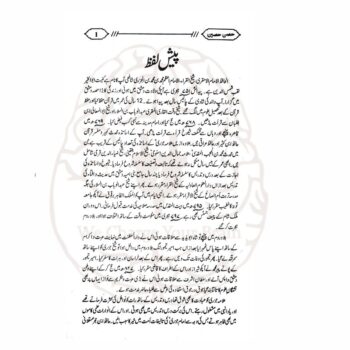
Originally compiled in 791 AH by the master Hadith scholar and foremost authority on Quranic recitation, Imam Shams al-Din Muhammad bin Muhammad al-Jazari, Hisn-e-Haseen (literally: “The Impregnable Fortress”) was written during a devastating siege of Damascus. Beset by ruthless hostile forces and personal peril, Imam al-Jazari turned to the authentic prophetic traditions of invocation and supplication, compiling an impenetrable spiritual bulwark for the Muslim community.
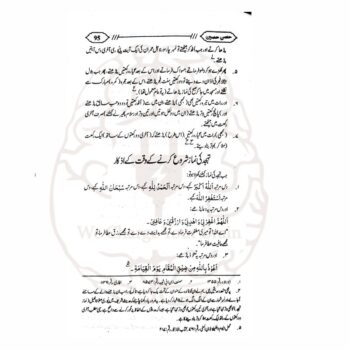
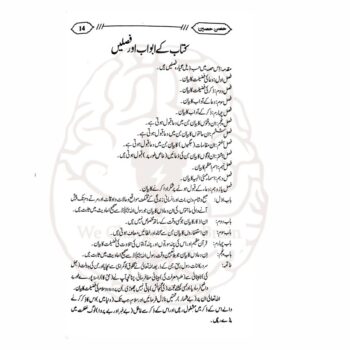
The text is organized with clinical muhaddith precision:
Virtues of Istighfar and Dhikr: Explaining the doctrinal and psychological mechanics of divine forgiveness and mindfulness in averting calamity.
Thematic Supplications for Circumstantial Need: Precise invocations prescribed by the Messenger of Allah ﷺ for morning and evening, travel, illness, debt alleviation, and battle.
The Secret of Ism al-A’zam: A rigorous hadith-grounded survey identifying the Greatest Name of Allah through which supplications are answered.
Ijazah and Isnad: The work concludes with formal authorizations (ijazah), underscoring that spiritual litanies require disciplined reception through established chains of scholarship.
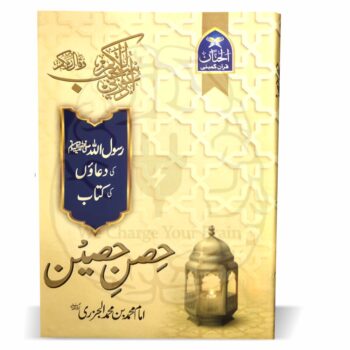
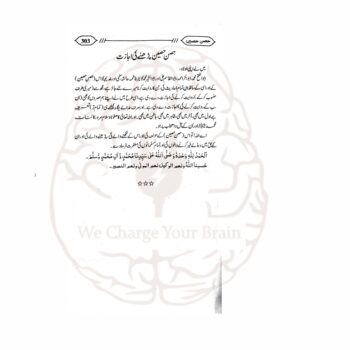
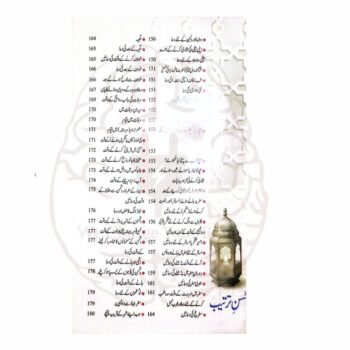
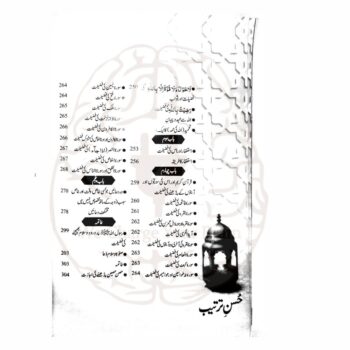
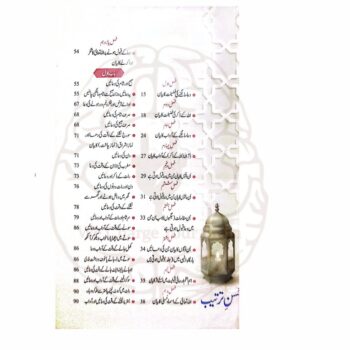


حصن حصین (امام محمد الجزری)۔
حصن حصین (امام محمد الجزری)۔
۔”حصن حصین” امام محمد الجزری رحمہ اللہ کی مرتب کردہ کتاب ہے جس میں رسول اللہ صلی اللہ علیہ وسلم کی دعائیں، استغفار، قرآنی سورتوں کی فضیلت، اسم اعظم، اور دعا کے آداب پر مبنی تفصیلات شامل ہیں۔
2 in stock
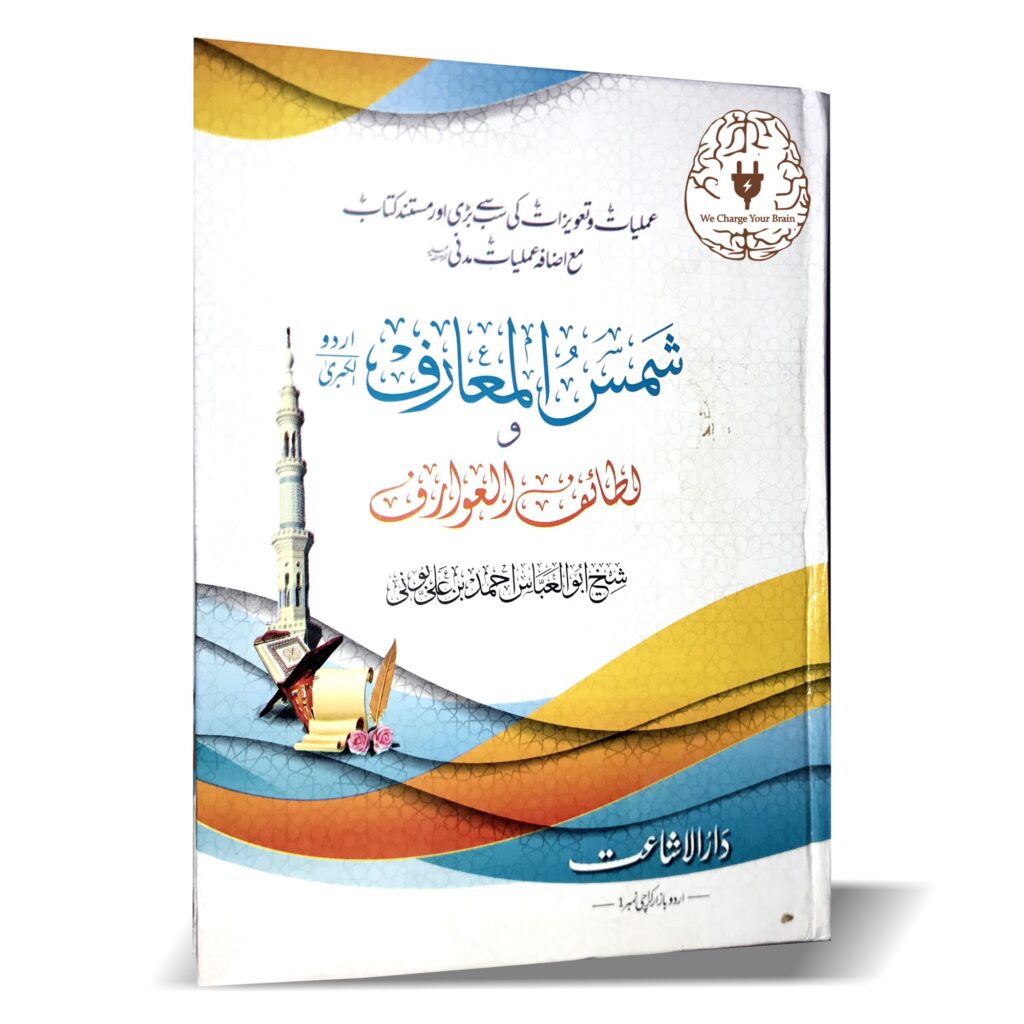
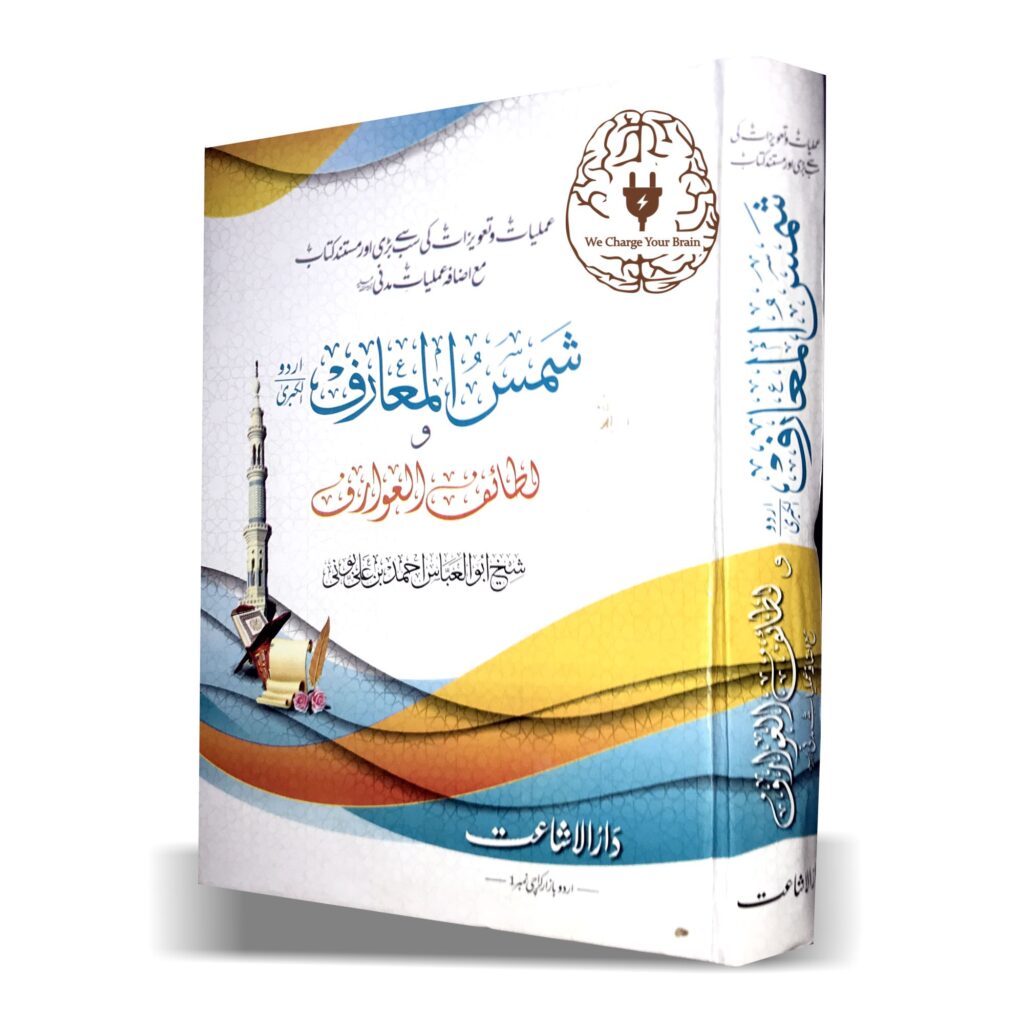
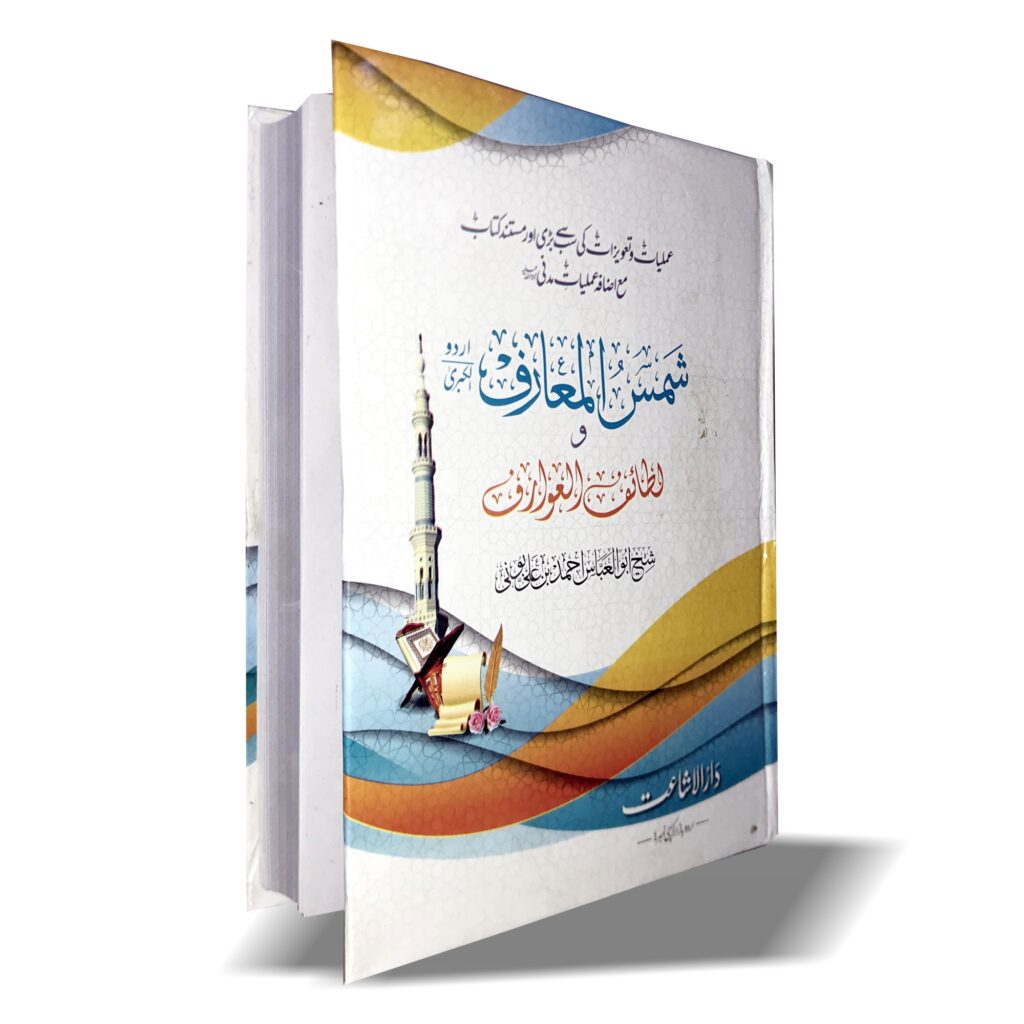
2. Shams al-Ma’arif al-Kubra (شمس المعارف الکبریٰ ولطائف العوارف) by Sheikh Ahmad bin Ali al-Buni
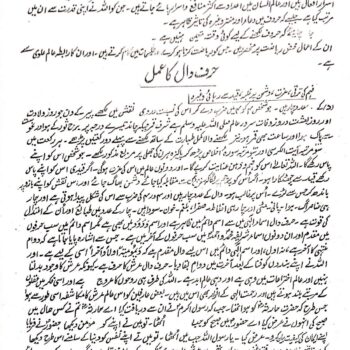
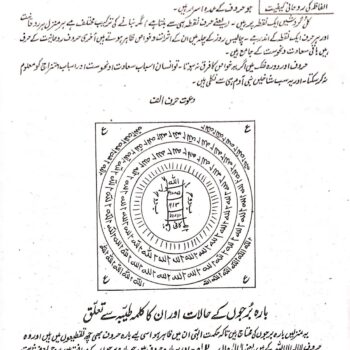
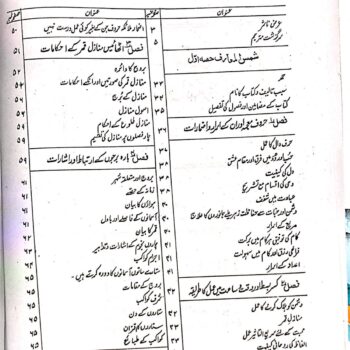
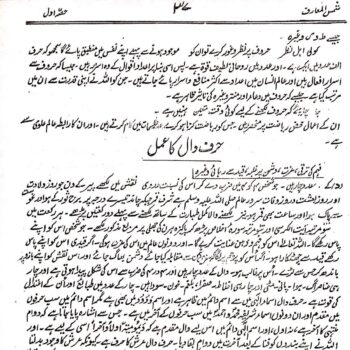
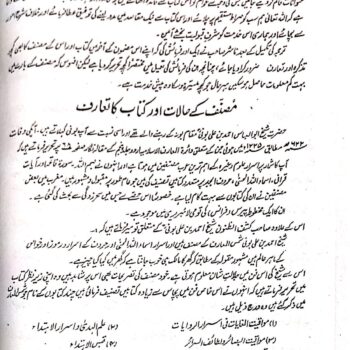
Composed by the 7th-century North African mystic Sheikh Abu al-Abbas Ahmad bin Ali al-Buni (d. 622 AH), Shams al-Ma’arif stands as the most famous and debated historical treatise on Islamic letter mysticism, esoteric mathematics, and celestial correspondences. For centuries, the work was preserved primarily in guarded manuscripts due to its advanced nature and the hazards associated with improper amateur application.
The Urdu edition available today represents a critical editorial evolution:
Historical Rarity and Legend: Classical lore notes that earlier unedited manuscripts were frequently suppressed or vanished, given their intricate formulas dealing with unseen entities and astrological timing.
The Madani Addition & Rectification: The standard Urdu translation has been tempered with Amliyat-e-Madani, removing hazardous, volatile, or doctrinally compromised invocations while preserving safe, authentic spiritual frameworks.
Thematic Scope: It systematically explores magic squares (awfaq), the mystical numerical values (abjad) of the Quranic chapters, and specialized prescriptions for spiritual elevation, rendering it a monumental primary source for academic researchers and advanced practitioners.
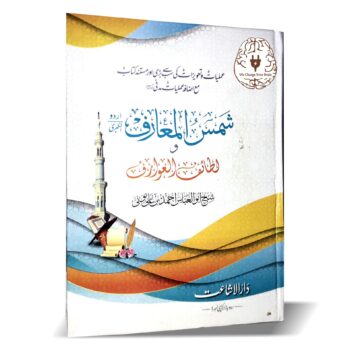
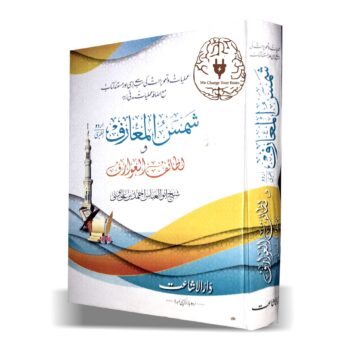
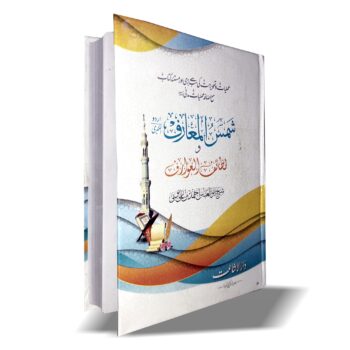
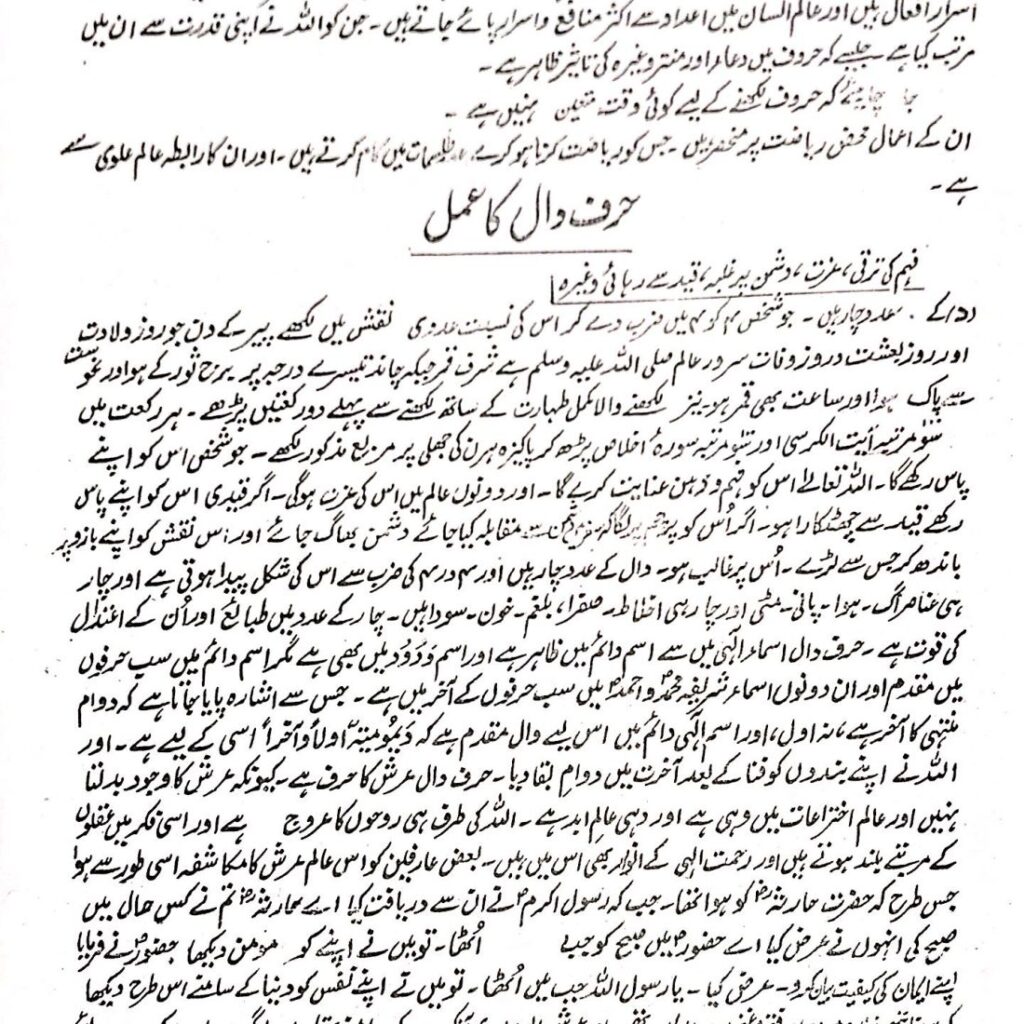
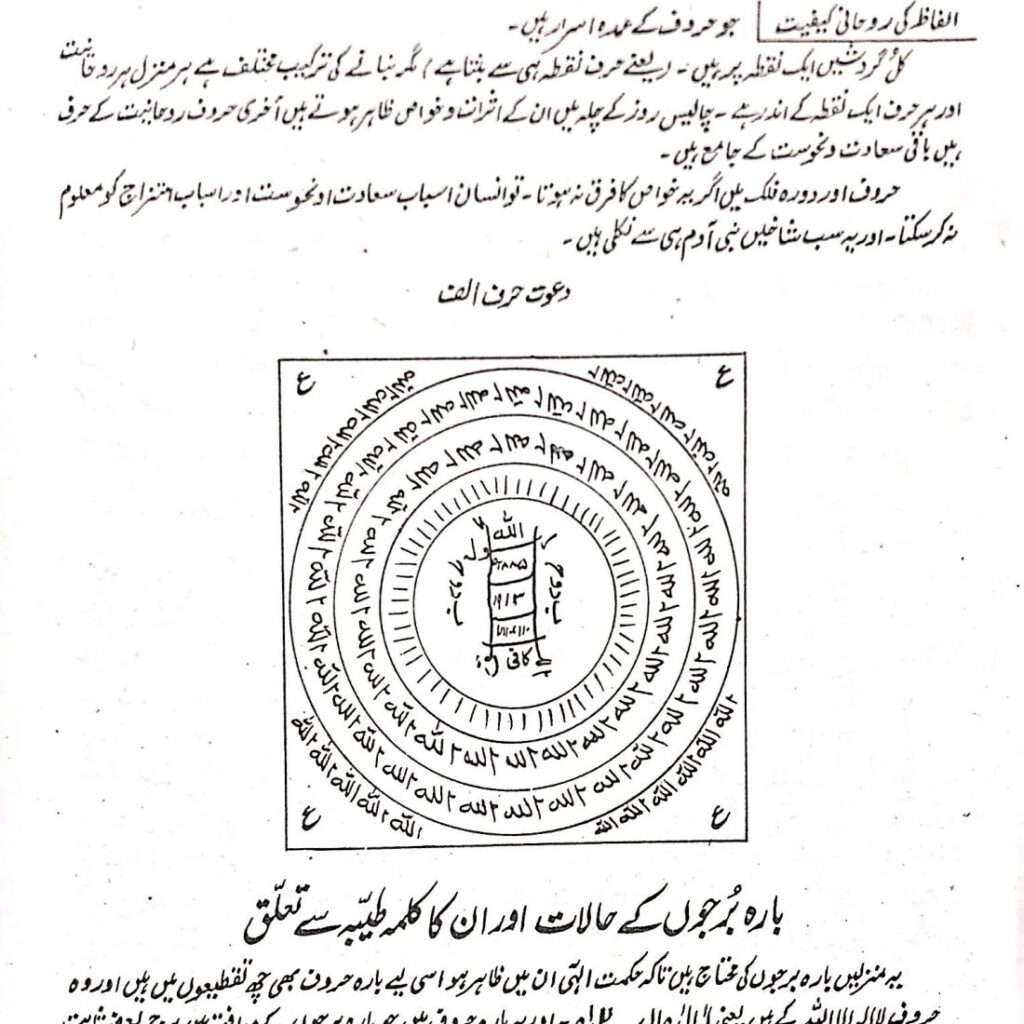
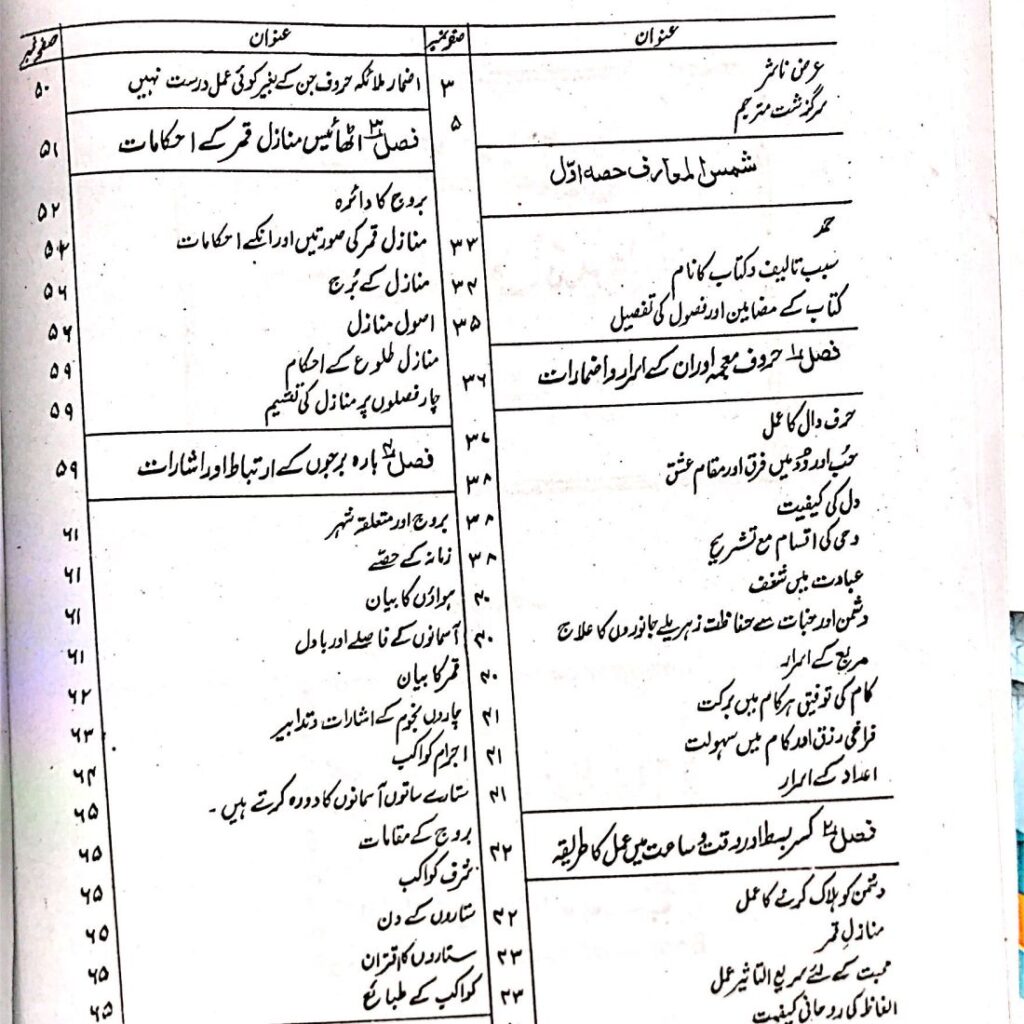
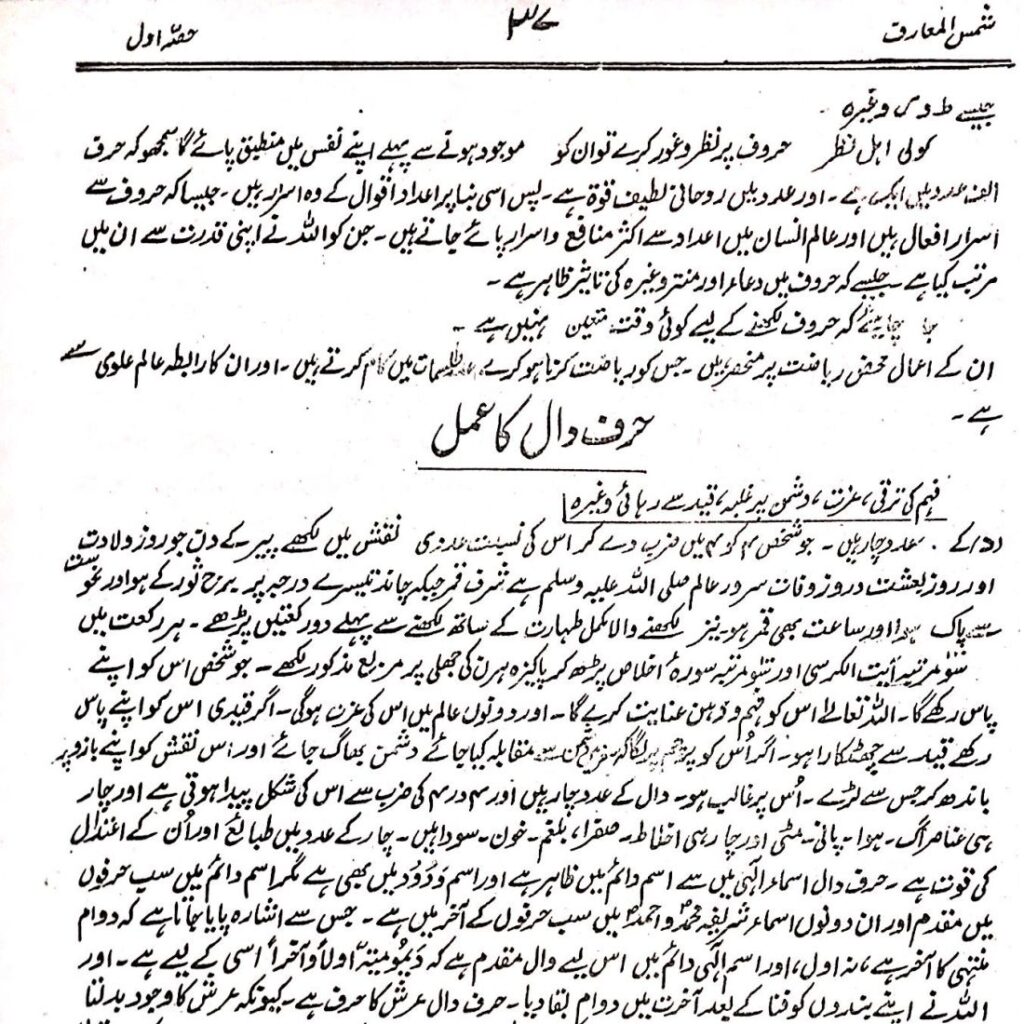
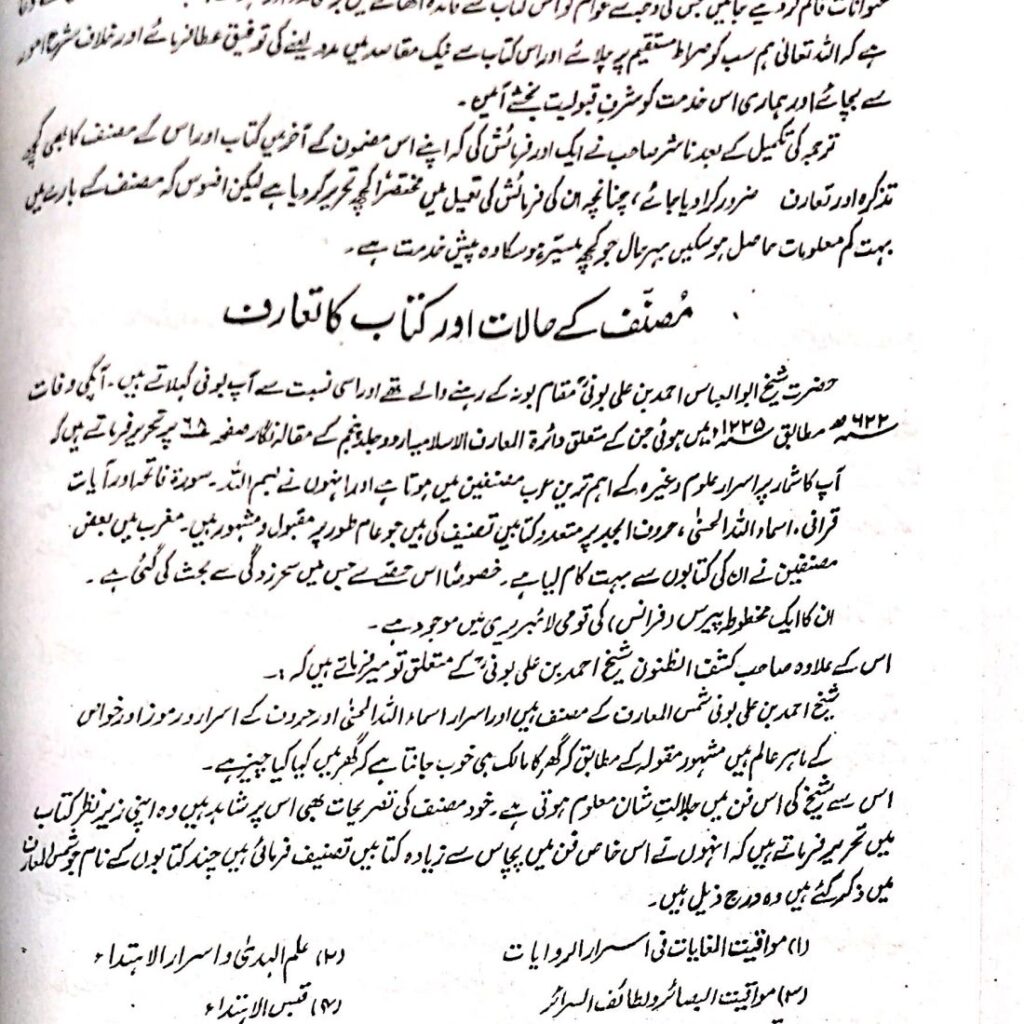
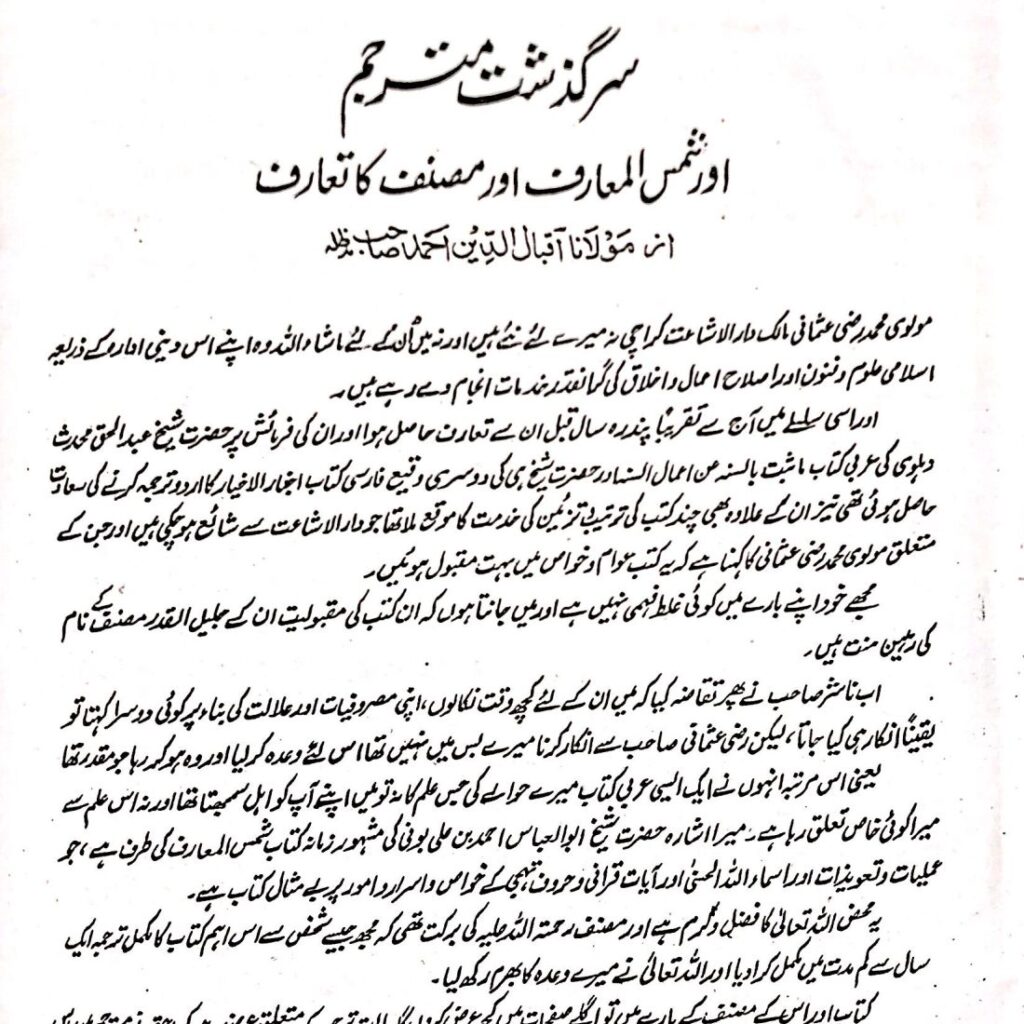
شمس المعارف
شمس المعارف
شیخ ابوالعباس احمد بن علی بونی رحمہ اللہ تعالیٰ کی عملیات و تعویذات کی سب سے مستند مفصل کتاب ۔
معروف شمس المعارف اردو الکبریٰ ولطائف العوارف
4 in stock
3. Mujarrabat-e-Akabir (مجربات اکابر)
Compiled from the verified journals, historical memoirs, and personal spiritual practice records of the great elders and scholars of the prophetic lineage, Mujarrabat-e-Akabir addresses the urgent spiritual dilemmas of the contemporary era. Modern life is plagued by spiritual aimlessness, anxiety, and the pervasive exploitation of gullible families by predatory street practitioners (jaali aamileen).
This definitive work serves as an authoritative counterweight:
Historical Pedigree: Gathers tested spiritual exercises, daily routines, and protective formulas handed down from the prophetic era through classical luminaries and the respected scholars of the Indian subcontinent.
Eradication of Exploitation: By publishing authentic, accessible spiritual remedies that ordinary believers can perform independently, it completely neutralizes dependence on commercial occultists.
Comprehensive Problem-Solving: Detailed chapters cover physical ailments resistant to conventional therapy, protection from malicious envy (hasad), removal of spiritual blockages, and family reconciliation through sanctified prayers.
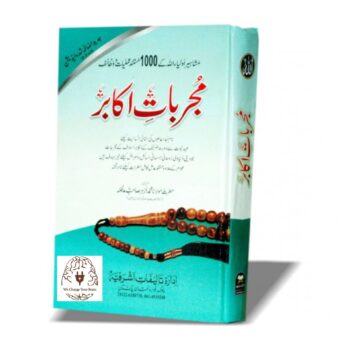
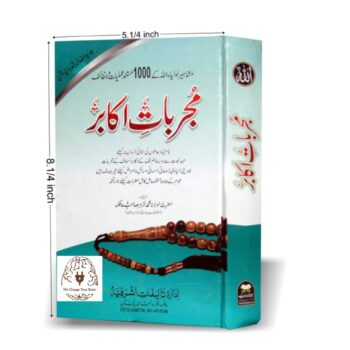
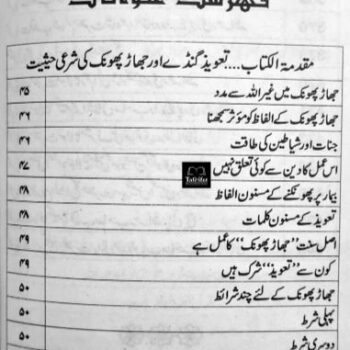
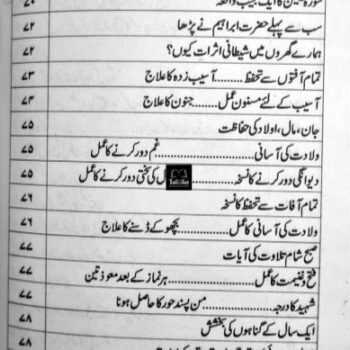
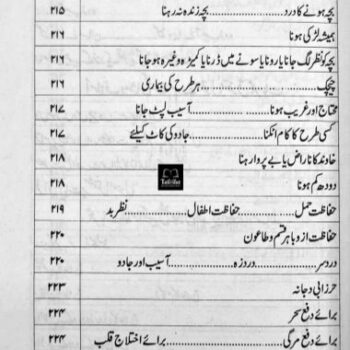
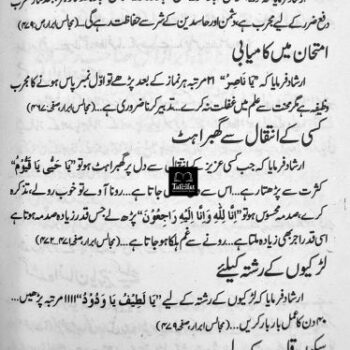
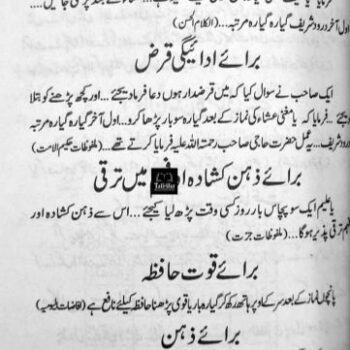
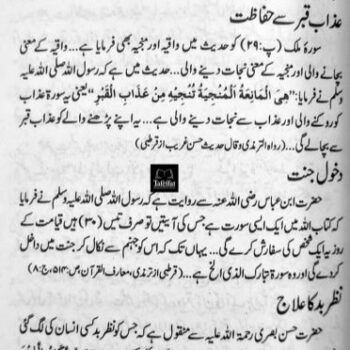
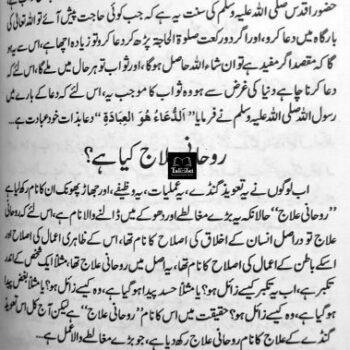
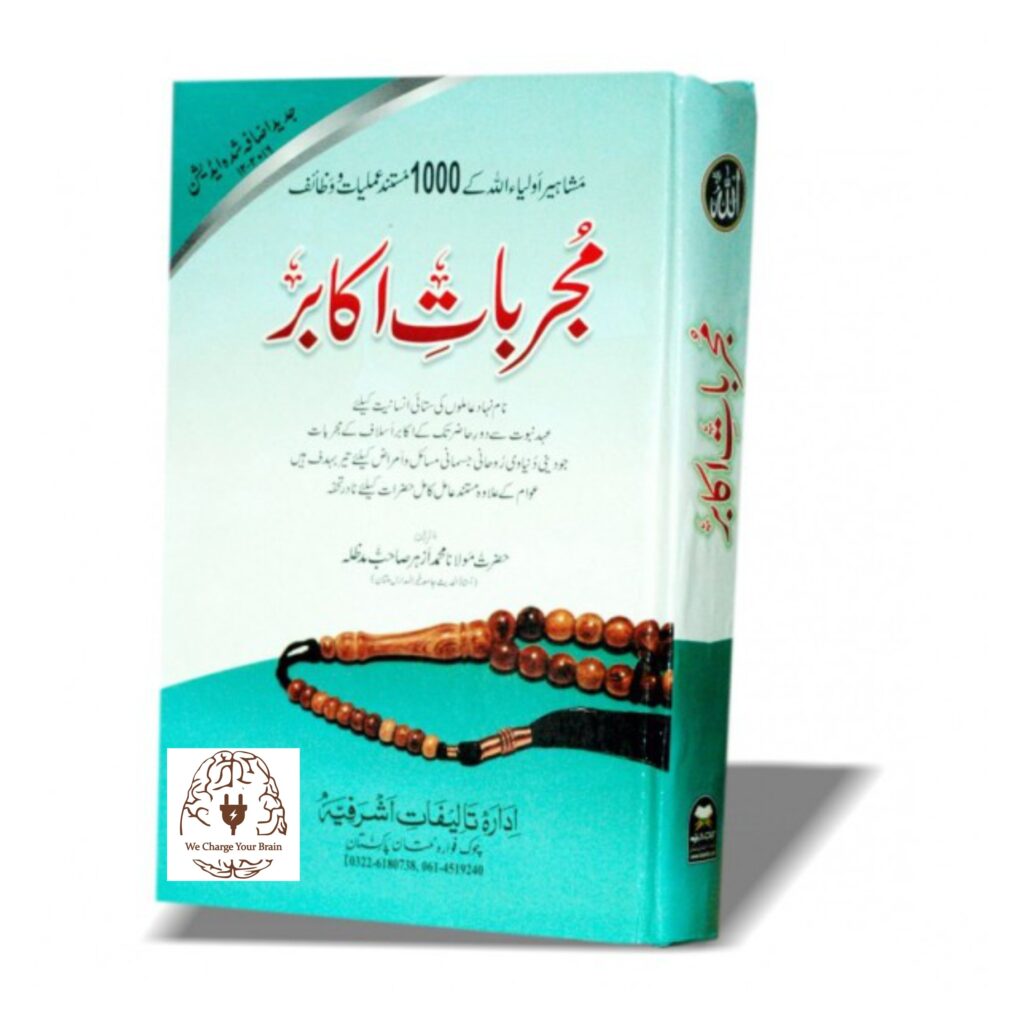
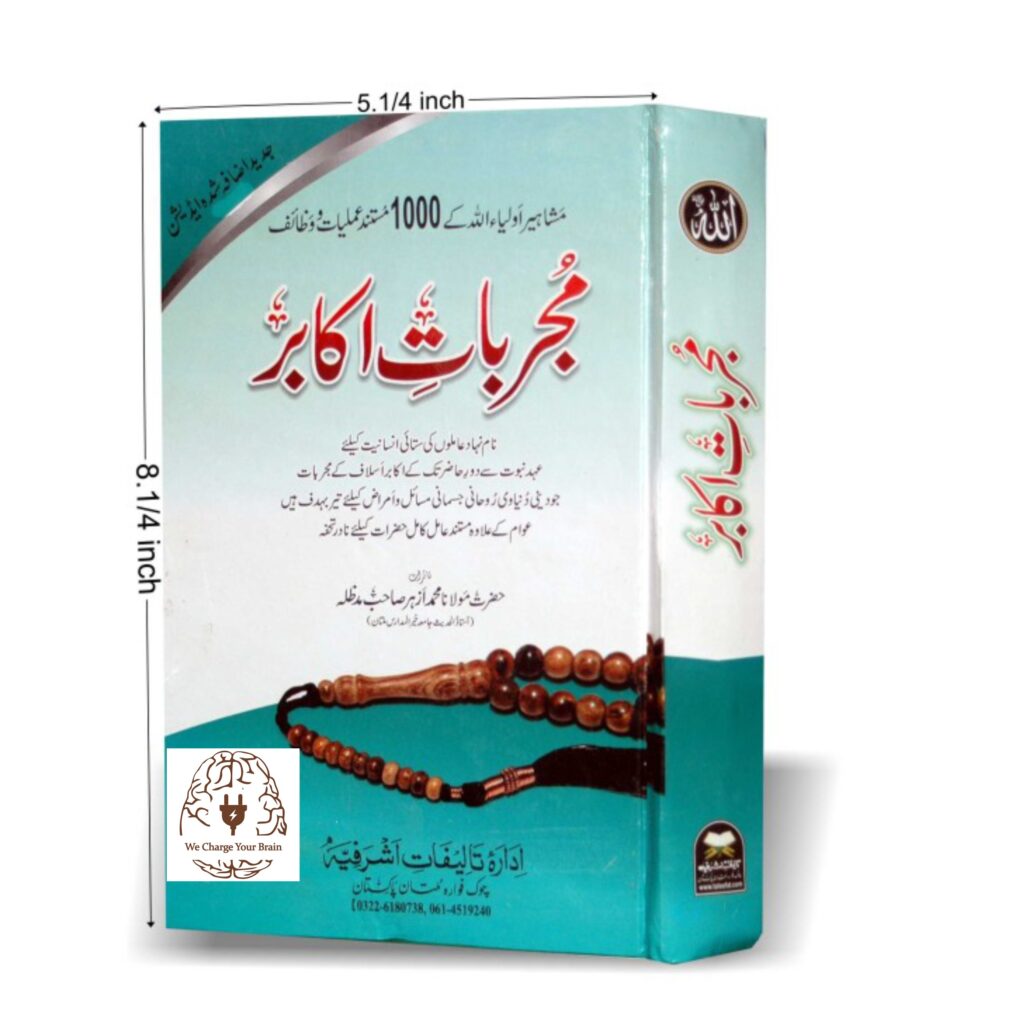
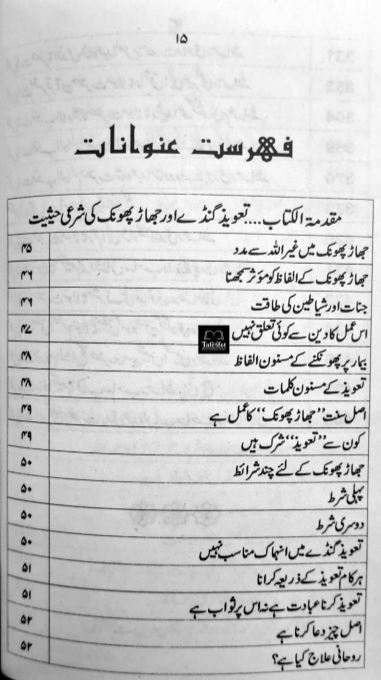
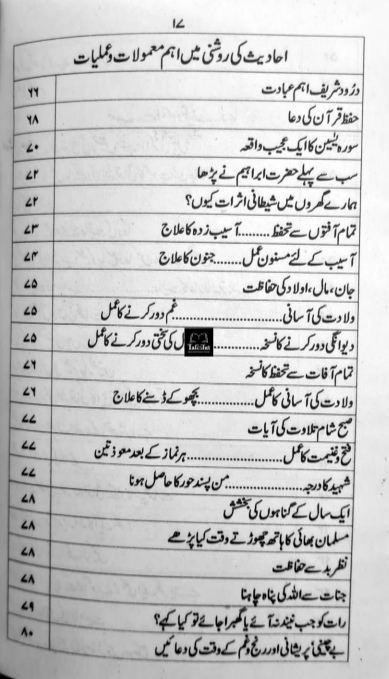
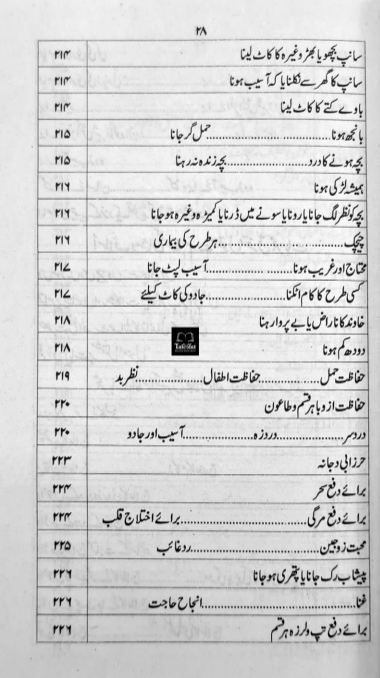
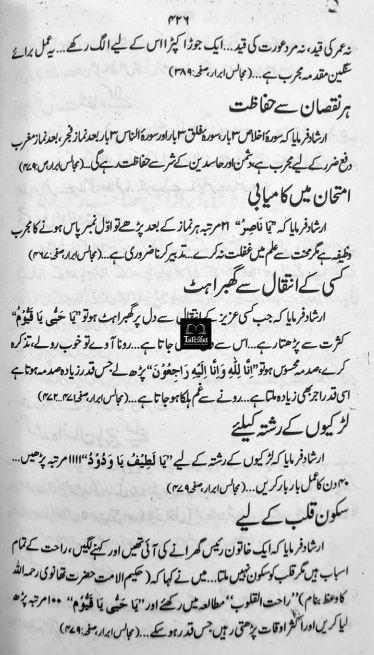
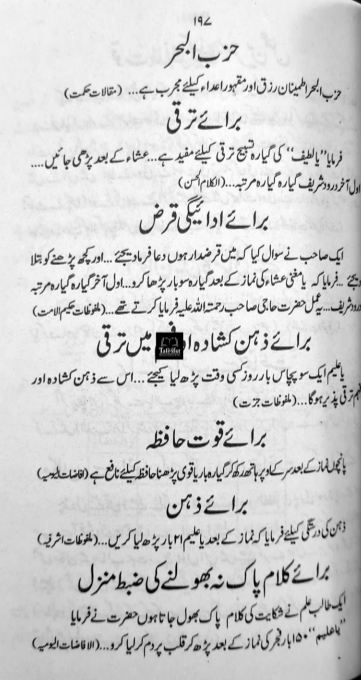
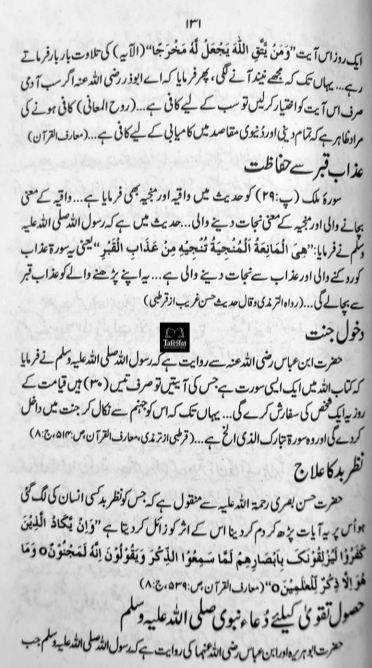
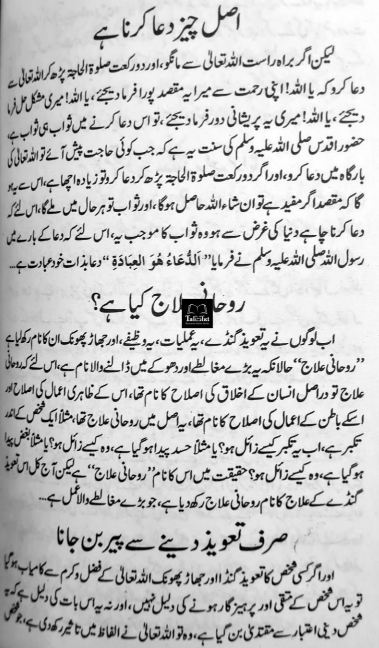
مجربات اکابر
مجربات اکابر
یہ کتاب اکابر واسلاف کے مستند اور مجرب عملیات کا خزینہ ہے جس سے فائدہ اٹھا کر ہم اپنی دنیا وآخرت سنوار سکتے ہیں۔ عہدنبوت سے اب تک مشاہیر اسلاف امت کے مجرب عملیات، معمولات اور اذکار و وظائف جمع کئے گئے ہیں ۔ یہ مجموعہ آج کی پریشان حال امت کے لئے ایک ایسا روحانی تحفہ ہے جو انہیں بازاری قسم کے عاملوں سے نجات دلا سکتا ہے ۔
3 in stock
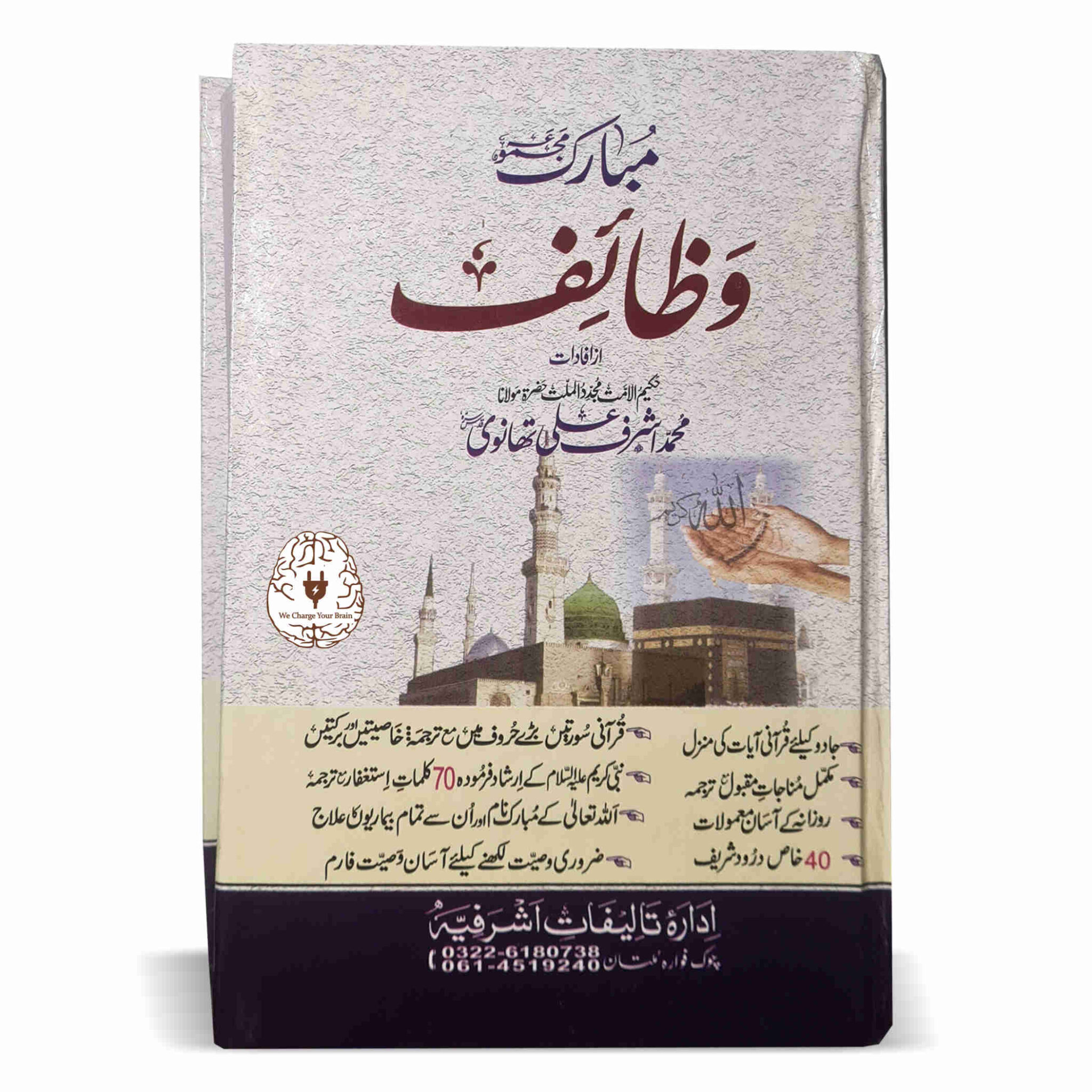
4. Mubarak Majmua-e-Wazaif (مبارک مجموعہ وظائف) from the Discourses of Hakim al-Ummat Maulana Ashraf Ali Thanvi
Arranged directly from the authoritative guidance and spiritual teachings of the towering reformist scholar Maulana Ashraf Ali Thanvi, Mubarak Majmua-e-Wazaif is widely acknowledged as the gold standard of daily devotional collections for the contemporary Muslim home. It eliminates every trace of apocryphal folklore, establishing a pure, accessible devotional routine.
Key structural highlights include:
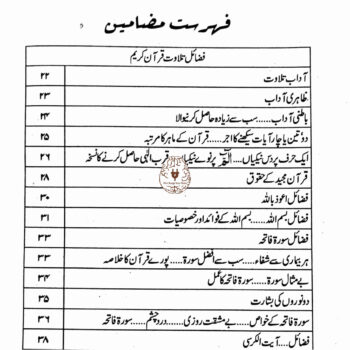
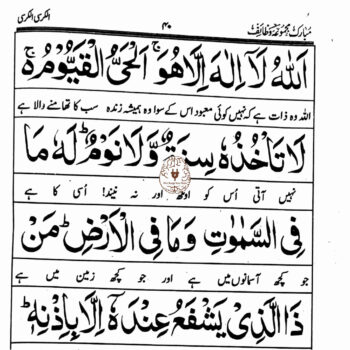
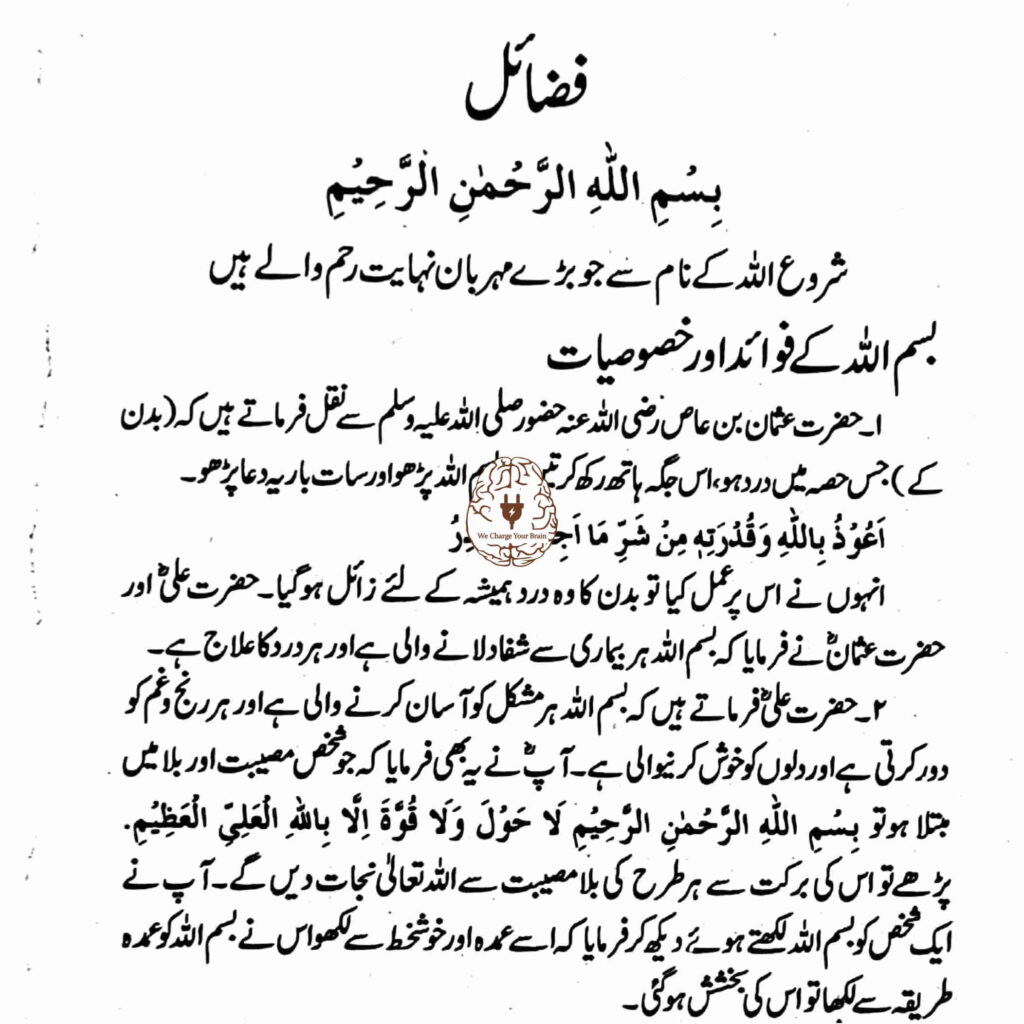
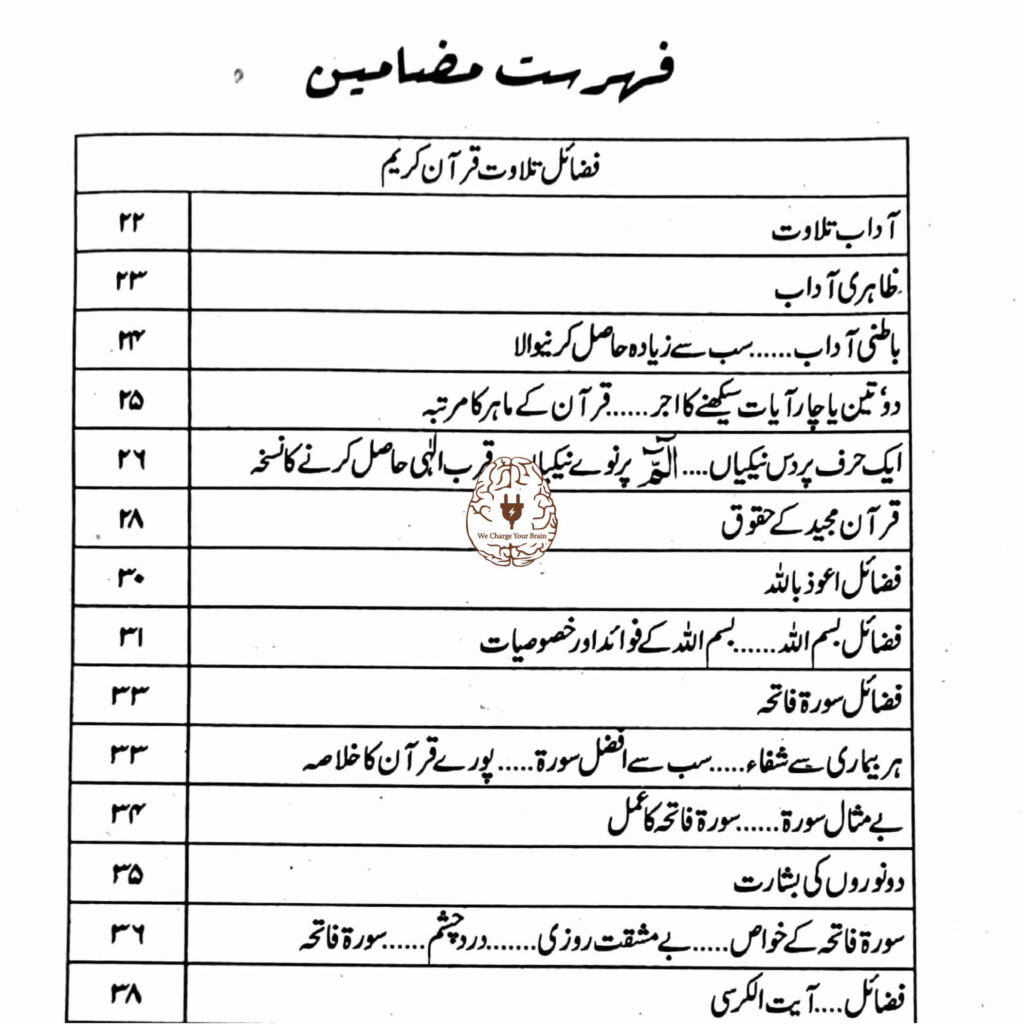
Core Quranic Recitations in Clear Typography: Large, legible Nastaliq/Naskh typography of universally recited chapters including Surah Yasin, Al-Waqi’ah, Al-Mulk, Al-Rahman, Al-Muzzammil, and Al-Kahf.
Complete Munajat-e-Maqbool: The acclaimed seven-day compilation of prophetic supplications designed for manageable daily reading cycles.
Seventy Words of Penitence (Sattar Kalimat-e-Istighfar): Deeply moving, classical formulas for spiritual cleansing and warding off divine displeasure.
The Authentic Manzil: The exact configuration of protective Quranic verses designed to repel demonic interference, witchcraft, and psychological oppression, alongside forty curated blessings upon the Holy Prophet ﷺ (Chehal Durood).
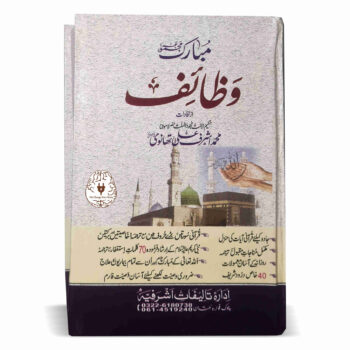
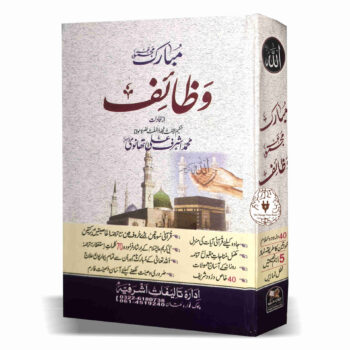
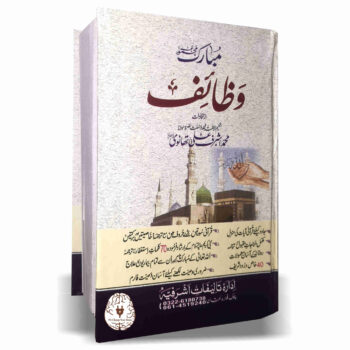
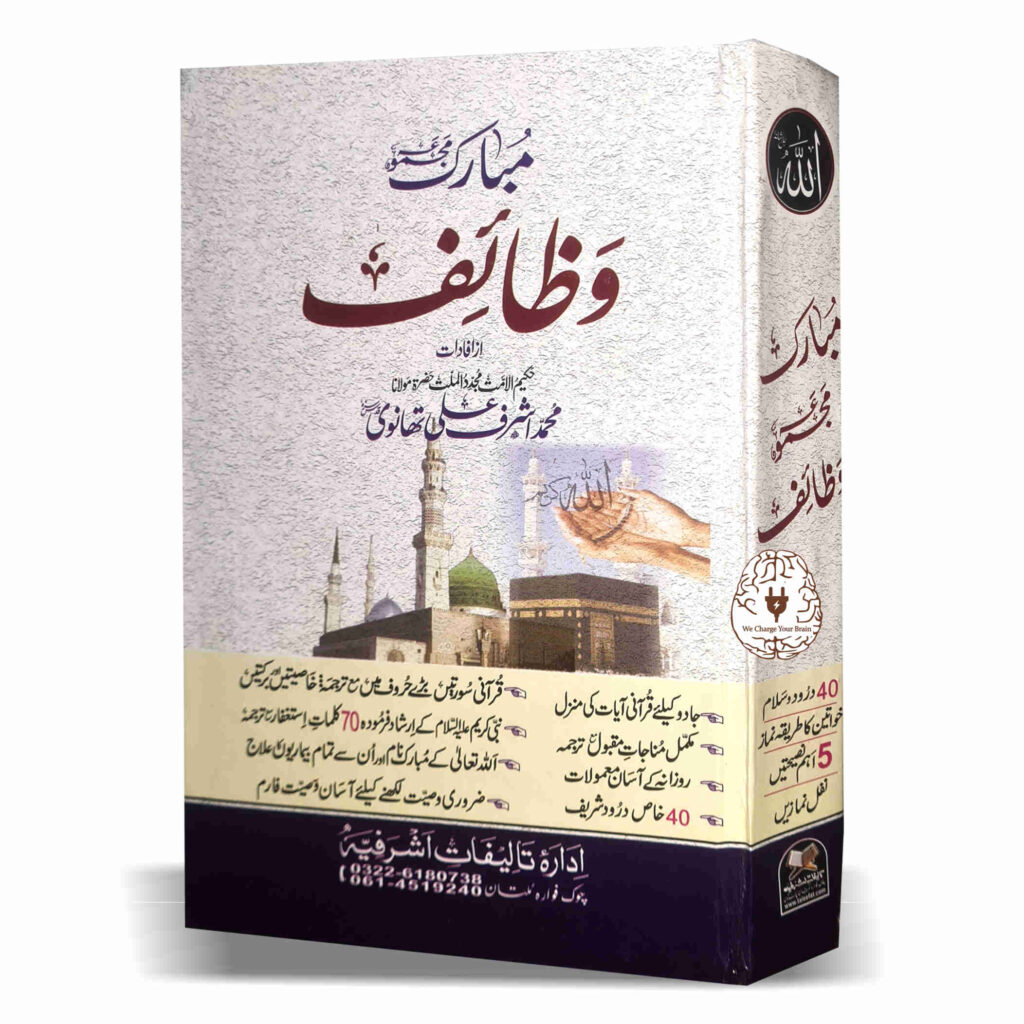
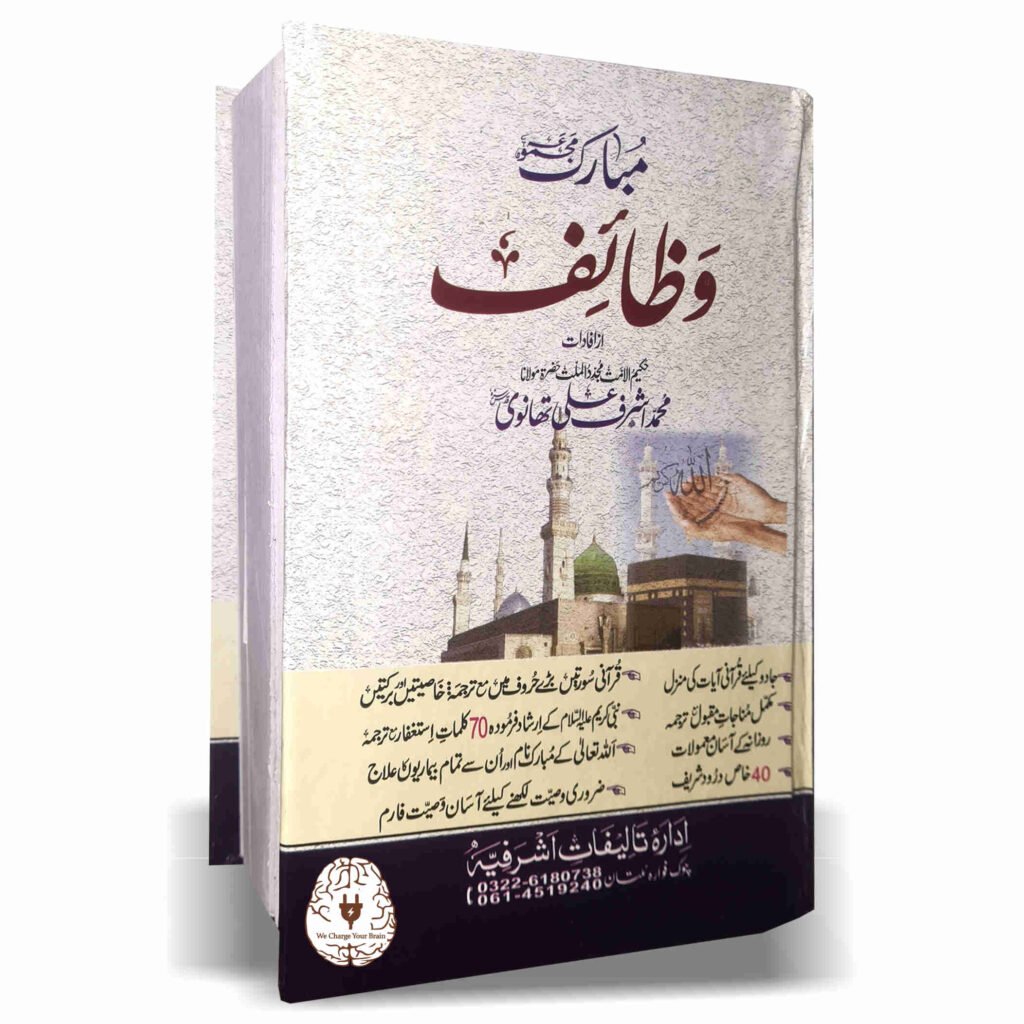
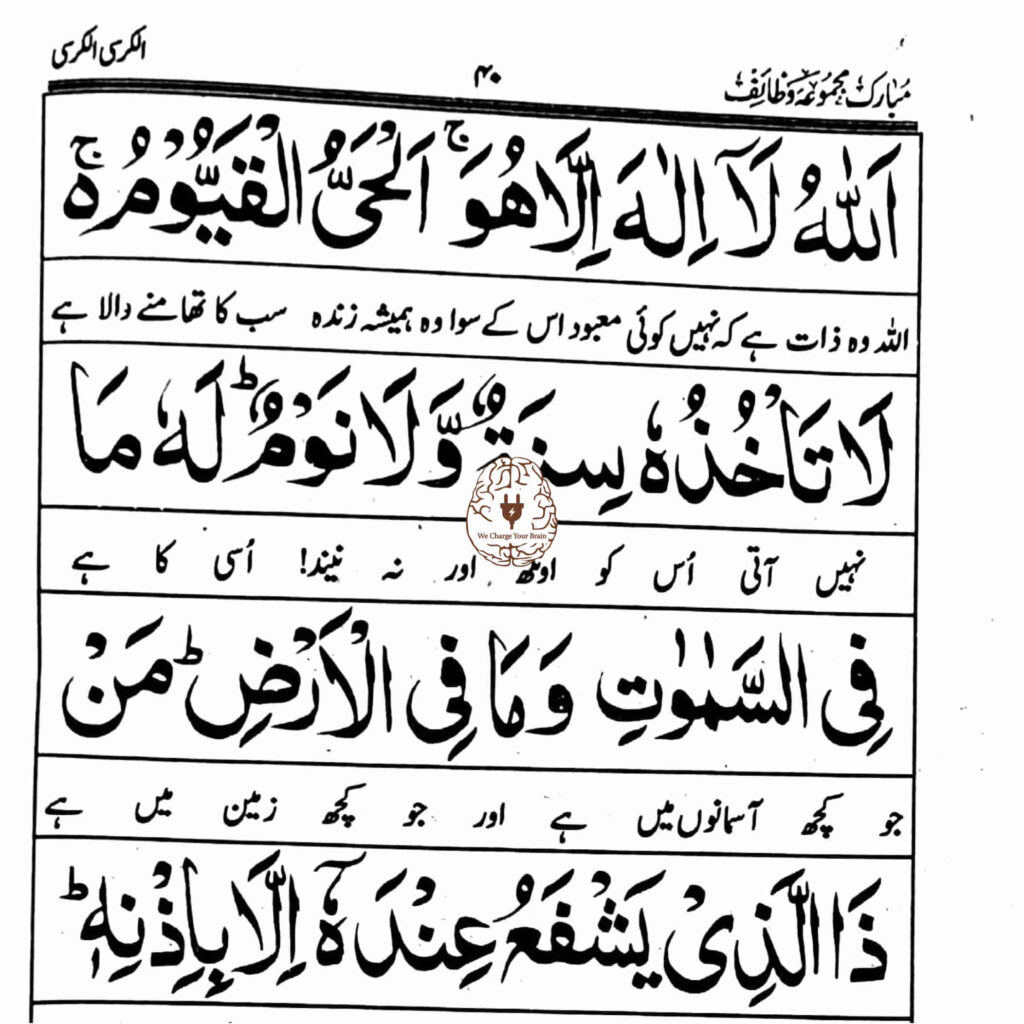
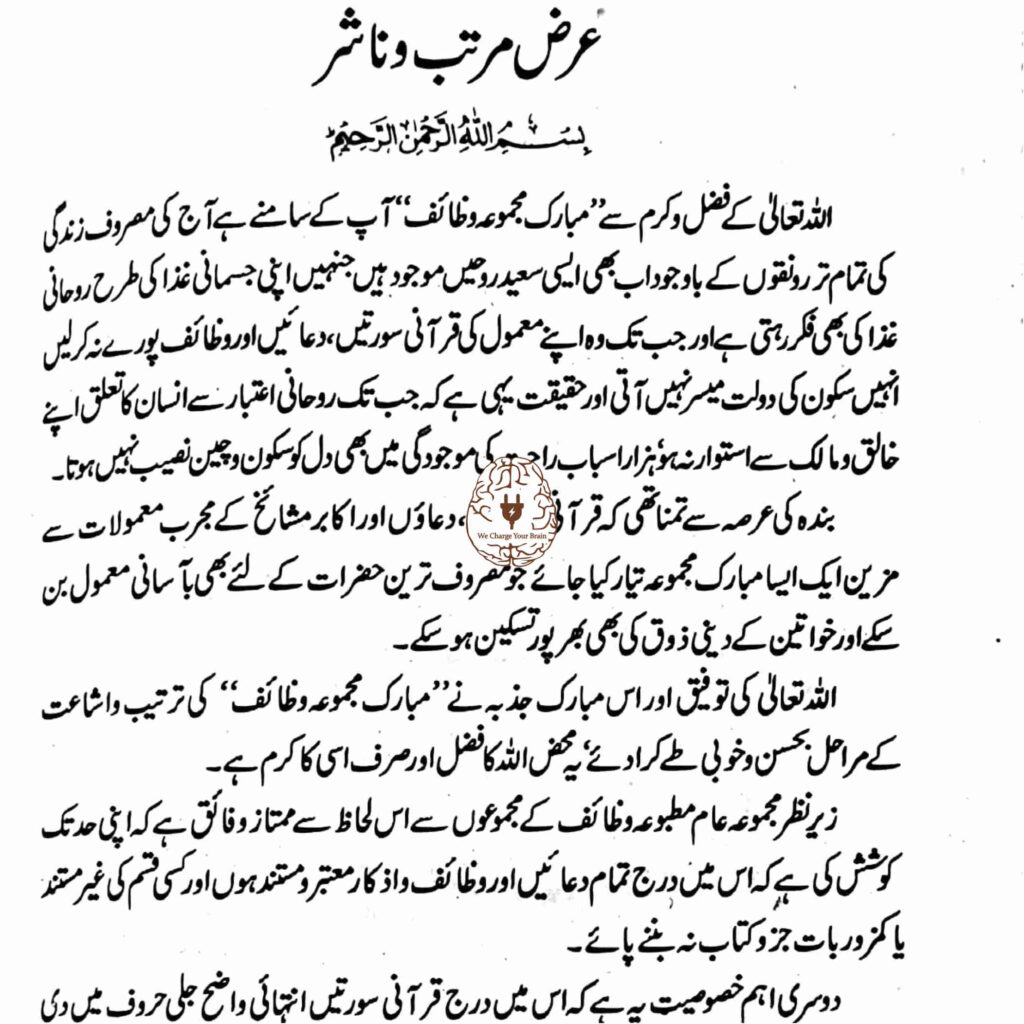
مبارک مجموعہ وظائف
مبارک مجموعہ وظائف
روزانہ پڑھنے کے لئے مستند قرآنی سورتوں اور وظائف کا مجموعہ ۔ مع مکمل مناجات مقبول، ستر کلمات استغفار، چہل ربنا اور چالیس خاص درود شریف ۔
از افادات حکیم الامت حضرت مولانا اشرف علی تھانوی رحمہ اللہ تعالیٰ ۔
25 in stock
Bibliographical Specifications and Edition Comparison
Scholarly literature demands physical endurance and textual integrity. Serious readers, researchers, and traditional practitioners require specific paper types to avoid eye strain during prolonged nightly vigils, durable bindings that withstand decades of frequent handling, and calligraphic clarity to ensure vocal accuracy in sacred recitation.
The following data extraction matrix contrasts the primary editions curated within the Amliyat and Taweezat Collection on KitabFarosh:
| Title & Author | Primary Scholarly Theme | Doctrinal Classification | Script & Typography | Paper & Binding Spec | Verified Editorial Tahqeeq |
| Hisn-e-Haseen (Imam Ibn al-Jazari) | Prophetic Supplications & Fortification | Pure Hadith / Sunnah Tradition | Clear Arabic Naskh with Interlinear Urdu | Normal | Fully cross-referenced against classical Hadith recensions |
| Shams al-Ma’arif al-Kubra (Sheikh Ahmad al-Buni) | Letter Mysticism, Awfaq & Spiritual Sciences | Historical Esoteric / Academic Heritage | Urdu Nastaliq with Arabic Tabular Grids | Normal | Edited with Amliyat-e-Madani modifications for safety |
| Mujarrabat-e-Akabir (Classical Elders) | Ancestral Tested Spiritual Prescriptions | Traditionalist / Orthodox Mujarrabat | Standard Scholarly Urdu Nastaliq | Normal | Curated from verified letters and manuscripts of elders |
| Mubarak Majmua-e-Wazaif (Maulana Ashraf Ali Thanvi) | Daily Litanies, Aurad, Manzil & Salawat | Sunnah / Orthodox Spiritual Practice | Bold Pakistani Nastaliq (Large Fonts) | Normal | Verified against Thanvi’s authentic published treatises |
Target Audience Breakdown: Navigating Spiritual Texts by Scholarly Maturity
Spiritual literature is not uniform; different works address divergent levels of intellectual preparation and practical necessity.
Ulama, Muftis, and Academic Researchers:
Scholars investigating the historical development of Islamic mysticism, esoteric sciences, and cross-cultural religious phenomena require unabridged primary texts like Shams al-Ma’arif alongside comparative fiqh literature. These works illuminate how classical authorities debated the boundaries of the unseen world and theological causality.
Practicing Spiritual Mentors (Mashayikh & Authentic Aamileen):
Legitimate guides who counsel believers through deep grief, spiritual afflictions, and psychological distress benefit immensely from Mujarrabat-e-Akabir. It equips them with safe, time-tested prescriptions that keep seekers firmly grounded in Sunnah-compliant spiritual remedies without veering into superstitious innovations.
Students of Sacred Knowledge (Talaba-e-Kiram):
Those pursuing Dars-e-Nizami or formal Islamic studies must master classical texts like Hisn-e-Haseen to understand the chains of narration (asaneed) governing daily invocations and the linguistic nuances of prophetic speech.
General Muslim Seekers and Families:
Everyday believers seeking peace in their households, relief from anxiety, protection from spiritual harm, and consistency in daily worship require structured, foolproof manuals like Mubarak Majmua-e-Wazaif. It offers an accessible, zero-risk pathway to profound spiritual tranquility.
Ordering Authentic Islamic & Rohani Literature on KitabFarosh
In an era saturated with inaccurate digital scans, commercial exploitation, and cheap reprints containing critical typographical errors in sacred verses, KitabFarosh stands as Pakistan’s most trusted sanctuary for authentic classical literature. Our extensive Amliyat Books in Urdu catalog curates over 36 verified masterworks on spiritual healing, prophetic supplications, and ancestral compendiums, with additional rare titles sourced upon specialized request.
The KitabFarosh Commitment to Scholarly Integrity:
100% Free Home Delivery Across Pakistan: We deliver all literary and spiritual works directly to your doorstep anywhere in Pakistan with zero shipping charges, regardless of parcel weight.
Transparent Advance Payment Policy: To maintain absolute accountability, preserve the sanctity of sacred volumes, and guarantee prompt dispatch without transit neglect, our operations function exclusively on advance payment.
Unbroken Trust of Scholars & Seekers: Our customer community comprises thousands of respected religious teachers, institutional libraries, researchers, and discerning readers who rely upon our verified editions.
Direct Order Placement & Dedicated Customer Care
Securing your copy of Hisn-e-Haseen, Shams al-Ma’arif, Mujarrabat-e-Akabir, or Mubarak Majmua-e-Wazaif is simple and prompt.
Direct WhatsApp Order: Send your book titles, full name, and delivery address directly to our priority desk at 03450345581.
Official Facebook Community: Stay connected with ongoing releases, scholarly reviews, and book highlights at facebook.com/taleefat.
Official YouTube Channel: Watch detailed video overviews, edition comparisons, and bibliographical insights on youtube.com/@Kitabfarosh.
Invest in verified classical literature today, enrich your personal library with authentic spiritual fortresses, and experience seamless, dependable service through KitabFarosh.
What is the fundamental difference between authentic Islamic Amliyat and unlawful black magic (Sihr)?
Authentic Islamic Amliyat rely solely upon the recited words of the Holy Quran, the authentic supplications of the Prophet Muhammad ﷺ, and the glorious Names of Allah (Asmaul Husna). They demand absolute moral rectitude, ritual purity, and full submission to the sovereignty of Allah. Conversely, black magic (sihr) involves desecration of sacred symbols, obscure non-Arabic incantations, invocation of jinn, astrological idolatry, and malicious intent to harm others. Unlawful magic is strictly prohibited (haram) and constitutes disbelief, whereas authentic spiritual healing (ruqyah) is an established Sunnah mercy.
Can an ordinary individual practice wazaif from books like Hisn-e-Haseen without specific authorization (Ijazah)?
Yes, comprehensive collections of prophetic supplications such as Hisn-e-Haseen and Mubarak Majmua-e-Wazaif consist of general prophetic prayers and foundational Quranic verses. These are open to every Muslim without the strict prerequisite of formal personal authorization. However, for highly specialized, intensive, or numerically complex formulas found in texts like Mujarrabat-e-Akabir or Shams al-Ma’arif, traditional scholars advise seeking guidance or ijazah from an upright, experienced spiritual mentor to prevent psychological strain or misuse.
Is the modern Urdu translation of Shams al-Ma’arif safe to keep in the home?
Yes. Popular folklore and sensational myths often claim that copies of Shams al-Ma’arif bring misfortune or spiritual unrest. In reality, the modern Urdu editions published by reputable Islamic houses have been carefully edited. Highly hazardous, corrupt, or doctrinally compromised material from antiquity has been revised or balanced with Amliyat-e-Madani, making it a safe and valuable reference work for academic study and mature personal reference.
What are the essential daily litanies recommended for comprehensive protection against envy, witchcraft, and distress?
Orthodox scholars recommend the daily morning and evening recitation of the Manzil (a specific sequence of thirty-three Quranic verses), Ayat al-Kursi, the last two verses of Surah al-Baqarah, Surah al-Ikhlas, and the Mu’awwidhatayn (Surah al-Falaq and Surah al-Nas). In addition, establishing a daily habit of reciprocal Istighfar and sending blessings upon the Holy Prophet ﷺ using comprehensive collections like Mubarak Majmua-e-Wazaif provides an impenetrable fortress against spiritual malice and worldly distress.