Table of Contents
Classical Tibb e Unani Books in Urdu: The Definitive Guide to Traditional Eastern Medicine and Herbal Pharmacopeias
Tibb e Unani represents an empirical, holistic medical tradition systematized by Hippocrates and Galen, deeply enriched and reformed by medieval polymaths such as Ibn Sina (Avicenna) and Al-Razi (Rhazes), and later naturalized across the Indian Subcontinent by eminent royal tabibs and community hakims. At its scientific core, Unani medicine rests upon the humoral theory (Nazariyya-e-Akhlat), evaluating dynamic physiological equilibria across blood, phlegm, yellow bile, and black bile alongside individual innate constitution (Mizaj).
During the British colonial period and the subsequent rise of industrial pharmacotherapy in South Asia, traditional Greco-Arab and Ayurvedic practices faced institutional marginalization. In response, visionary master physicians—most notably Hakim Muhammad Abdullah and scholarly vaids—undertook an extensive intellectual revival. They authored accessible compendia, clinical pharmacopeias, and botanical lexicons designed to demystify traditional medicine, codify centuries of oral and empirical practitioner secrets, and provide ordinary households and practicing herbalists with reliable clinical methodologies.
Whether you are studying classical natural pathology or seeking certified reference volumes, discovering authoritative, unabridged editions of Tibb e Unani books in Urdu remains vital for modern researchers, practicing hakims, and inquisitive students of traditional therapeutics.
What is Unani Tibb? Doctrinal Principles, Diagnostics, and Clinical Methodology
Unani Tibb is a comprehensive paradigm of preventive and therapeutic healthcare predicated on restoring homeostatic balance through natural means, primarily regimenal therapy (Ilaj bil-Tadbeer), dietotherapy (Ilaj bil-Ghiza), and natural pharmacotherapy (Ilaj bil-Dawa).
Unlike reductionist symptom suppression, classical practitioners operating from foundational Unani tibb practice books prioritize six essential physiological determinants known as the Asbab-e-Sittah Zarooriyyah:
Ambient atmospheric air and seasonal climate (Hawa).
Dietary intake and hydration quality (Makool wa Mashroob).
Physical movement and rest (Harkat wa Sukoon-e-Badani).
Psychological and emotional equilibrium (Harkat wa Sukoon-e-Nafsani).
Sleep and wakefulness cycles (Naum wa Yaqza).
Retention and evacuation of bodily metabolic waste (Ehtibas wa Istifragh).
Diagnostic methodology in Tibb o Hikmat relies upon comprehensive semiotics: systematic radial arterial palpation (Nabz), inspection of urinary layers and precipitates (Baul), stool examination (Baraz), and direct assessment of mucosal color, body temperature, and visceral tongue coatings. This methodology allows the practitioner to ascertain whether an affliction originates from systemic dyscrasia, qualitative temperature-humidity imbalance, or organic dysfunction.
Detailed Evaluation of Masterpieces: Core Classical Texts and Pharmacopeias
The traditional medical corpus spans a wide spectrum from beginner household manuals to comprehensive multi-volume practitioner archives. The following works represent foundational classics available in modern Urdu typography:
1. Kanz al-Mujarrabat (Three Volumes Bound as One) – Ustad al-Hukama Hakim Muhammad Abdullah
Kanz al-Mujarrabat stands as one of the most widely referenced clinical formularies produced in the twentieth century. Authored by the renowned scholar Ustad al-Hukama Hakim Muhammad Abdullah, this exhaustive compendium bridges deep classical humoral diagnostic theory with accessible, clinically tested remedies.
Product Reference: https://kitabfarosh.com/product/knmc/
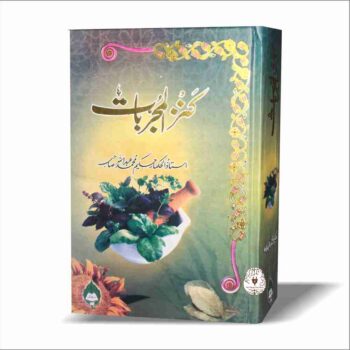
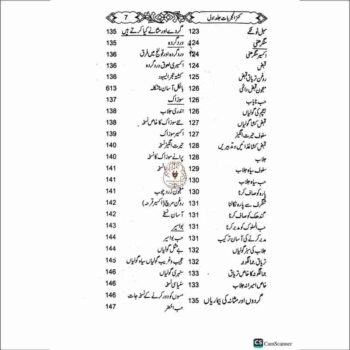
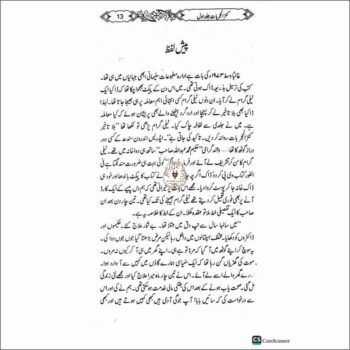
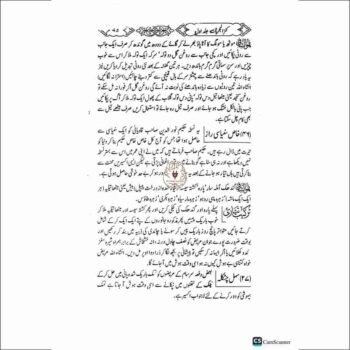
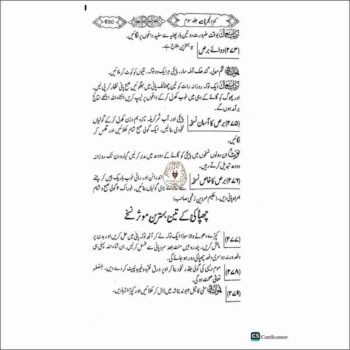
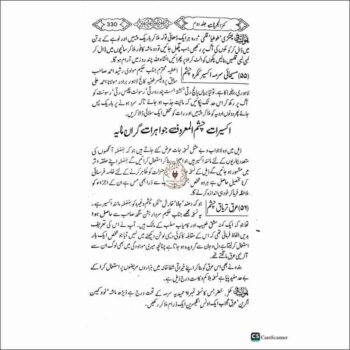
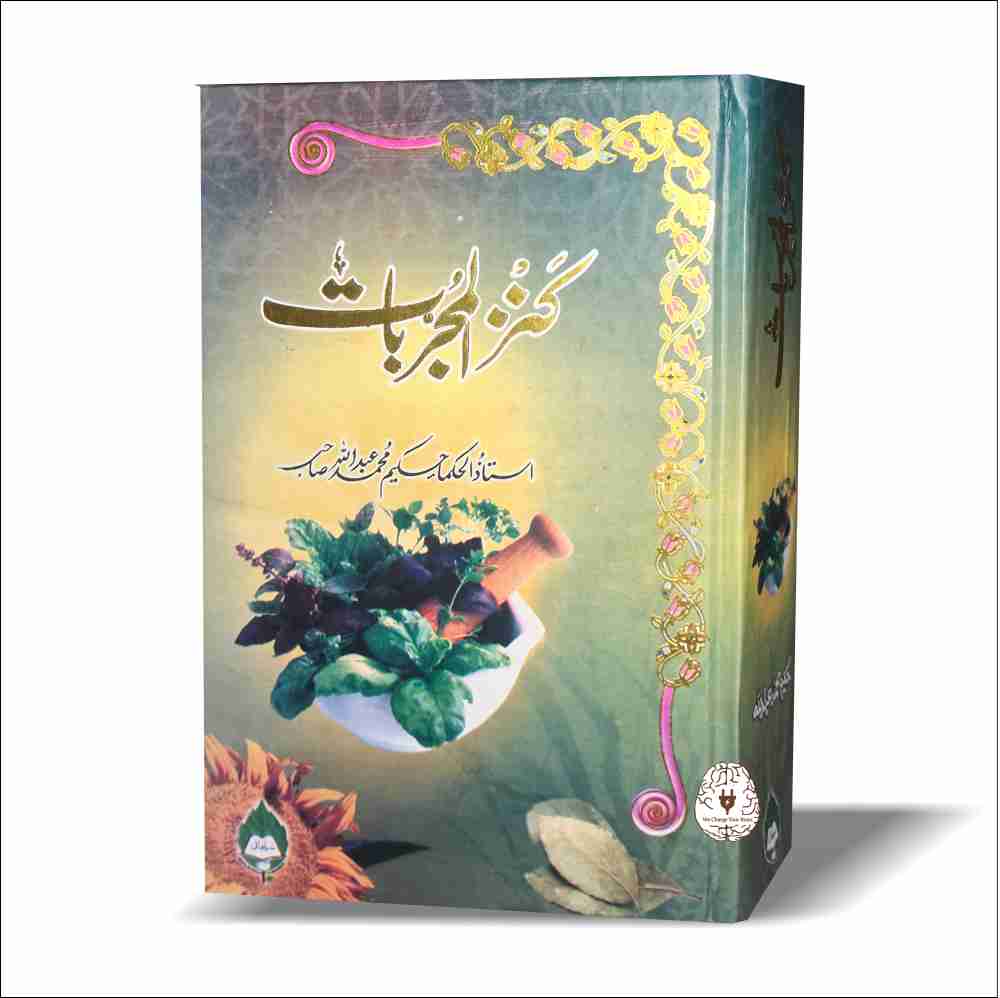
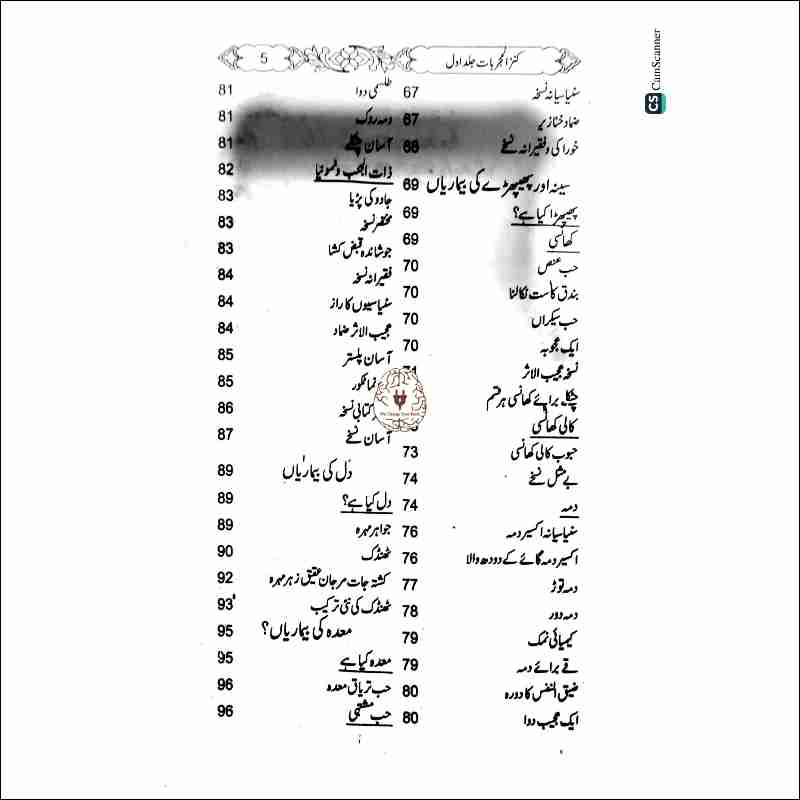
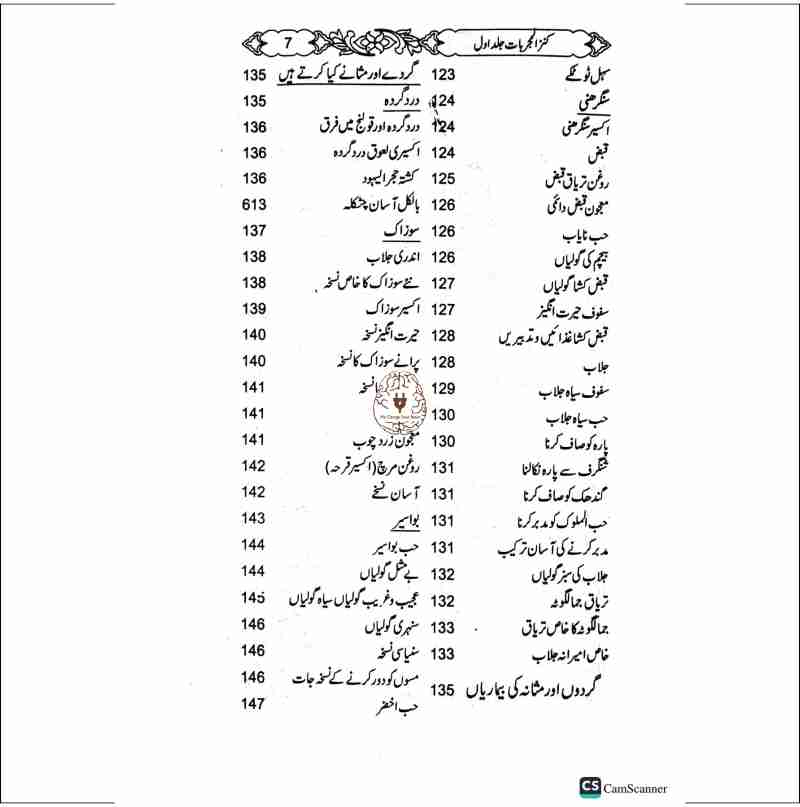
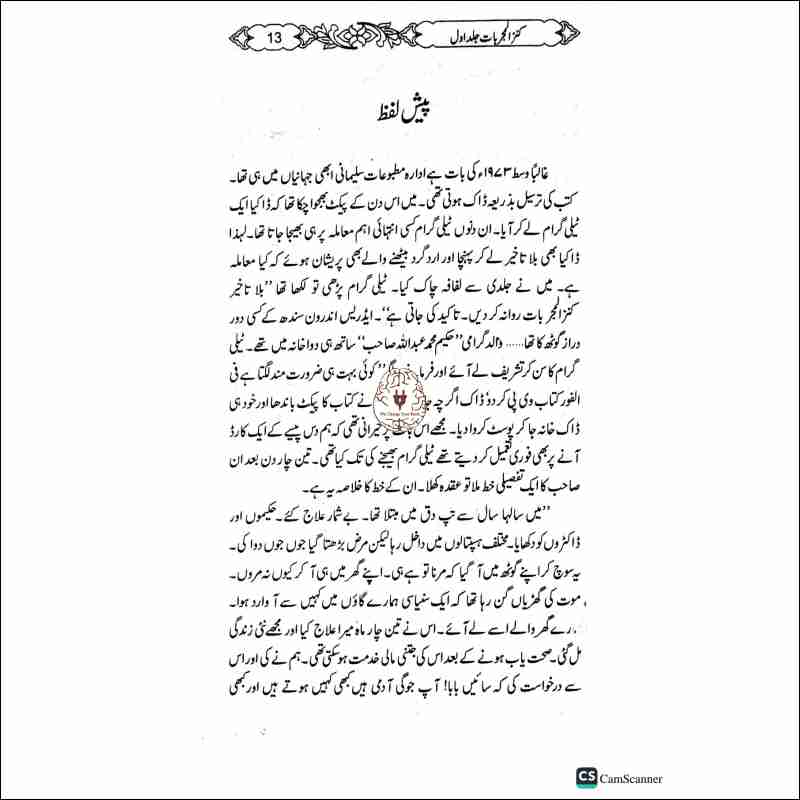
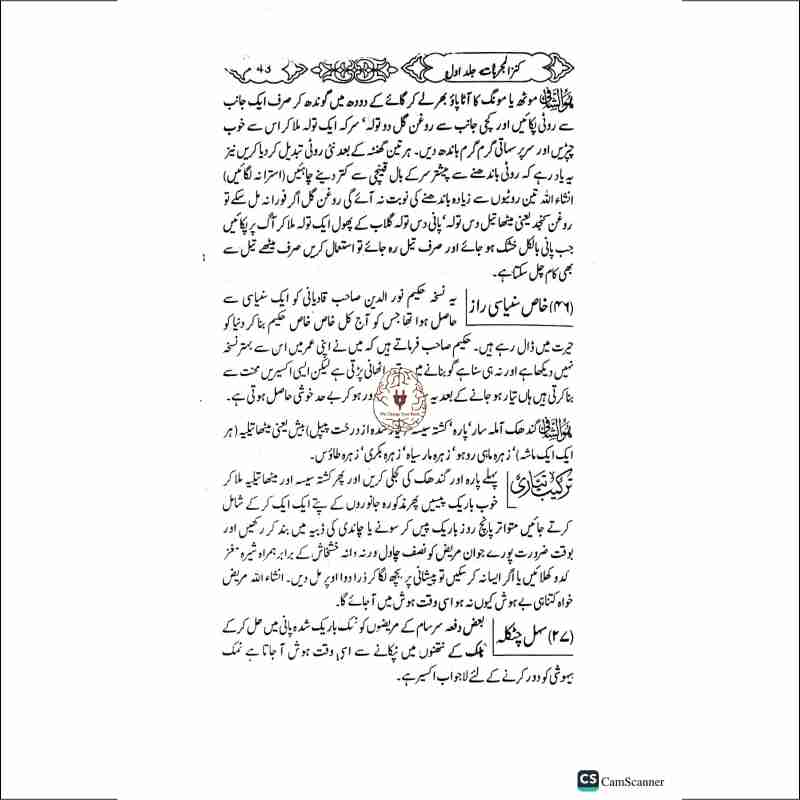
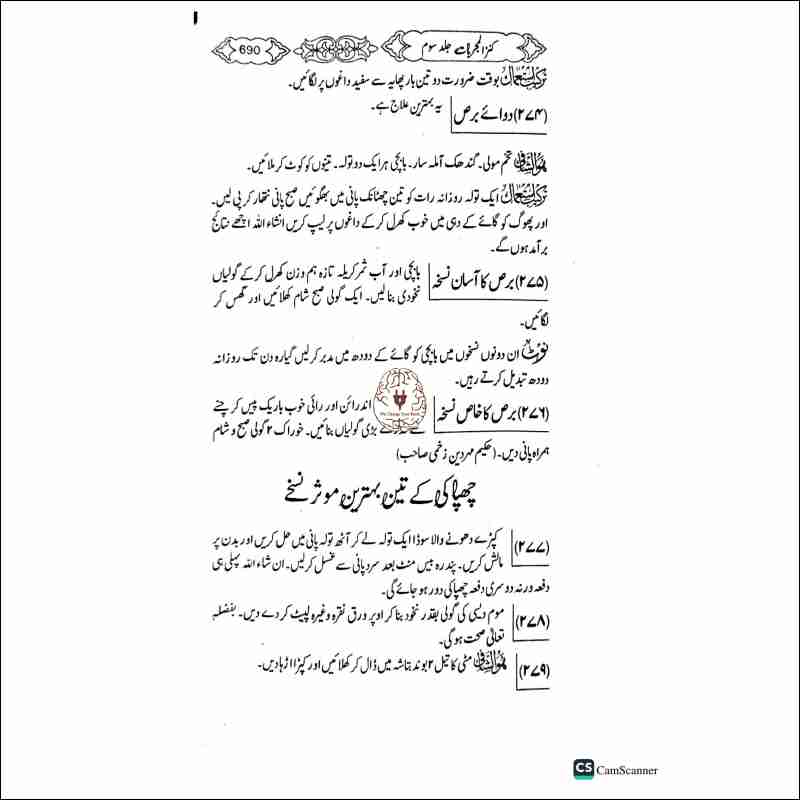
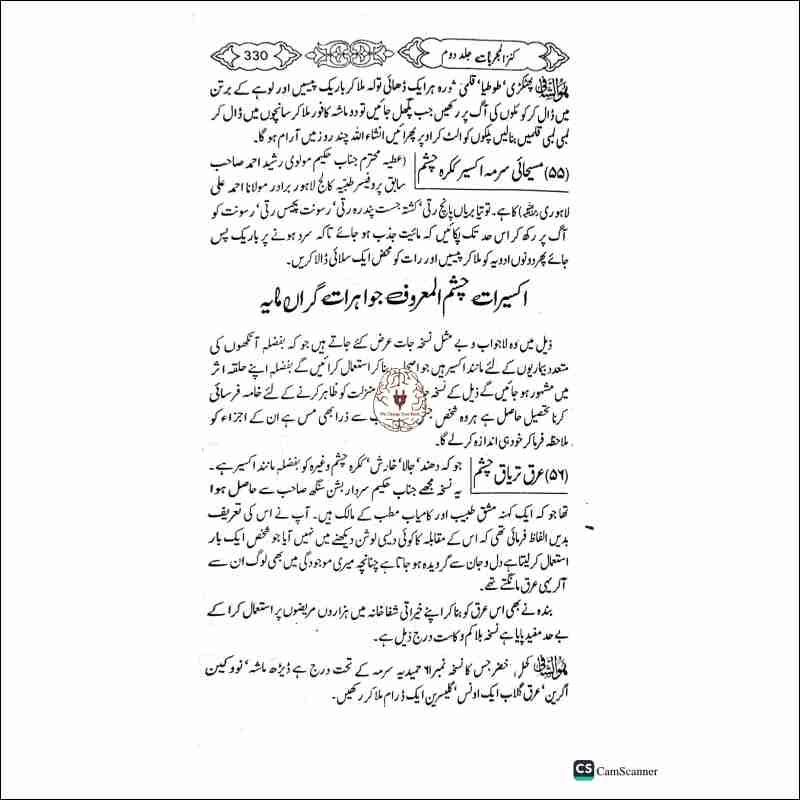
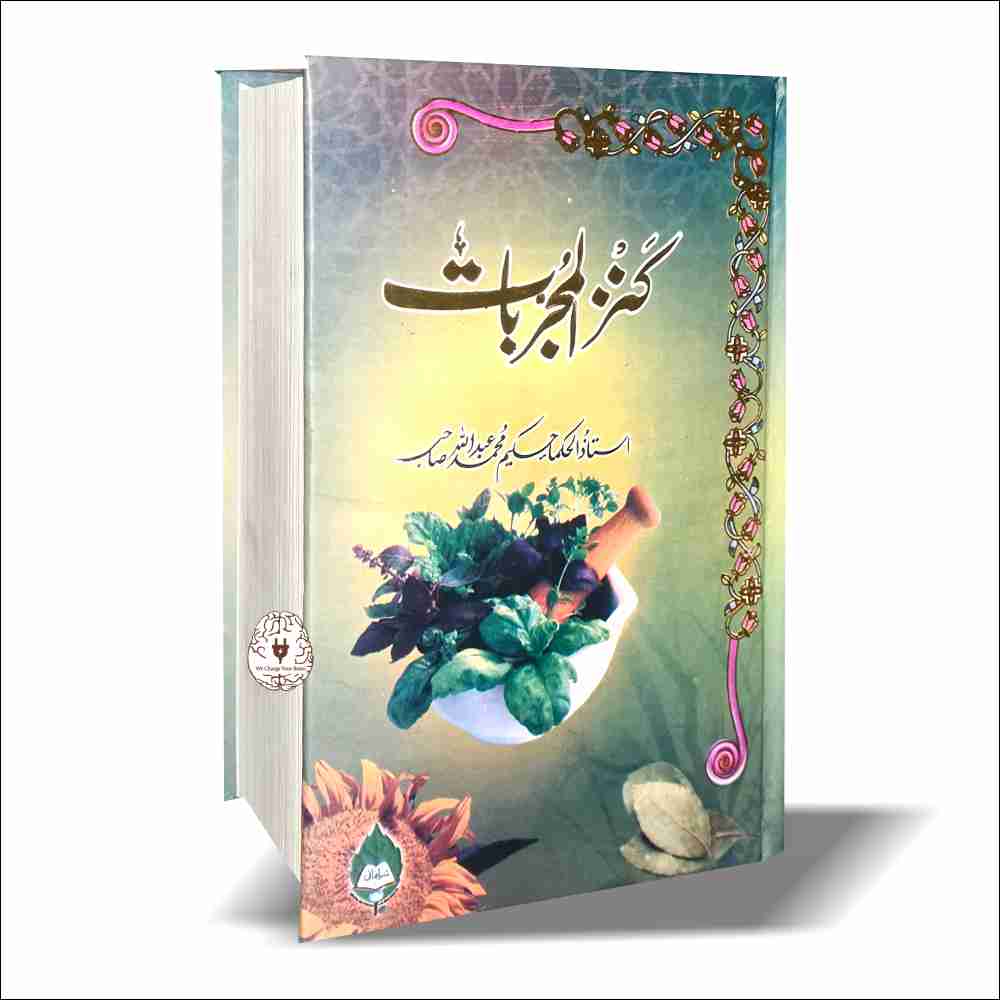
کنز المجربات یکجا تین جلد
کنز المجربات یکجا تین جلد
طبی تصنیفات میں بیسویں صدی کی مقبول ترین کتاب ۔ از استاذ الحکماء حکیم محمد عبداللہ مرحوم ۔
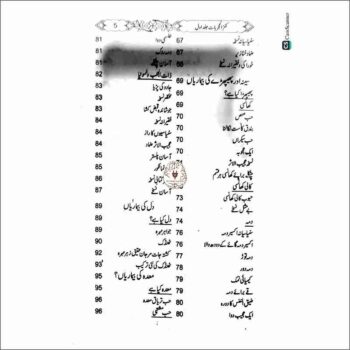
اس کتاب میں کیفیت امراض، اسباب، علامات اور غذائی پرہیز کو اتنے آسان انداز میں بیان کیا گیا ہے کہ ہر شخص بخوبی سمجھ جاتا ہے ۔
نیز اس میں موجود مجربات اور نسخہ جات سینکڑوں تجربات کے بعد مشقتوں سے حاصل کئے ہوئے ہیں ۔
10 in stock
Diagnostic Layout: Systematically dissects pathologies head-to-toe (Sar se Paon tak), charting qualitative causes, signs, prognostic indicators, and distinct dietary guidelines (Parhez).
Verified Clinical Prescriptions: Features hundreds of compound formulations refined across decades of personal clinical observation.
Specific Pathologies: Includes detailed diagnostic and palliative protocols for complex visceral and intestinal disorders—such as chronic abdominal tuberculosis and wasting syndromes (Pait ki TB ka ilaj)—offering herbal tonics, dietary restrictions, and restorative decoctions aimed at protecting systemic vitality (Quwwat-e-Mudabbira-e-Badan).
2. Ayurvedic Pharmacopeia – Kaviraj Jagannath Vaid Vachaspati
Translated into pristine, accessible Urdu, this pharmacopeia by Kaviraj Jagannath Vaid Vachaspati is an essential manual reconciling classical Ayurvedic formulation mechanics with traditional subcontinental herbal practice.
Product Reference: https://kitabfarosh.com/product/afk/
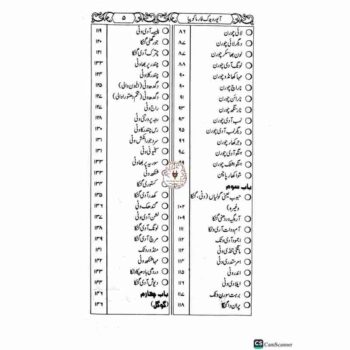
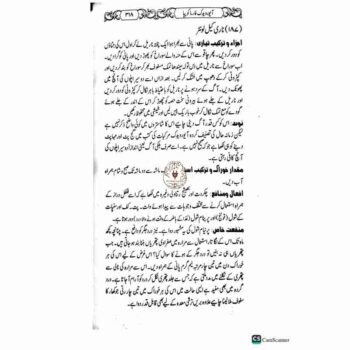
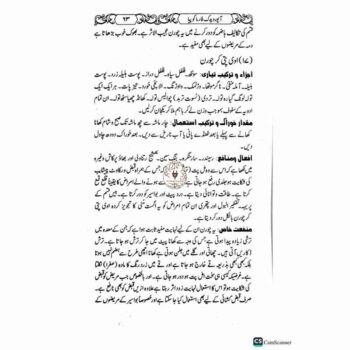
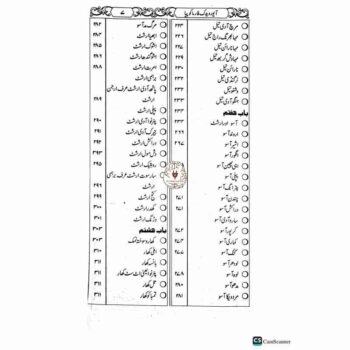
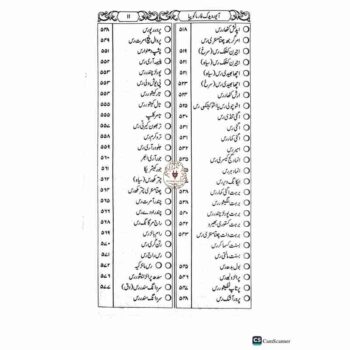
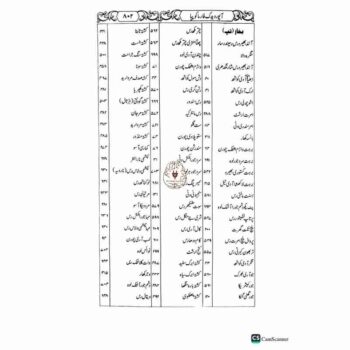
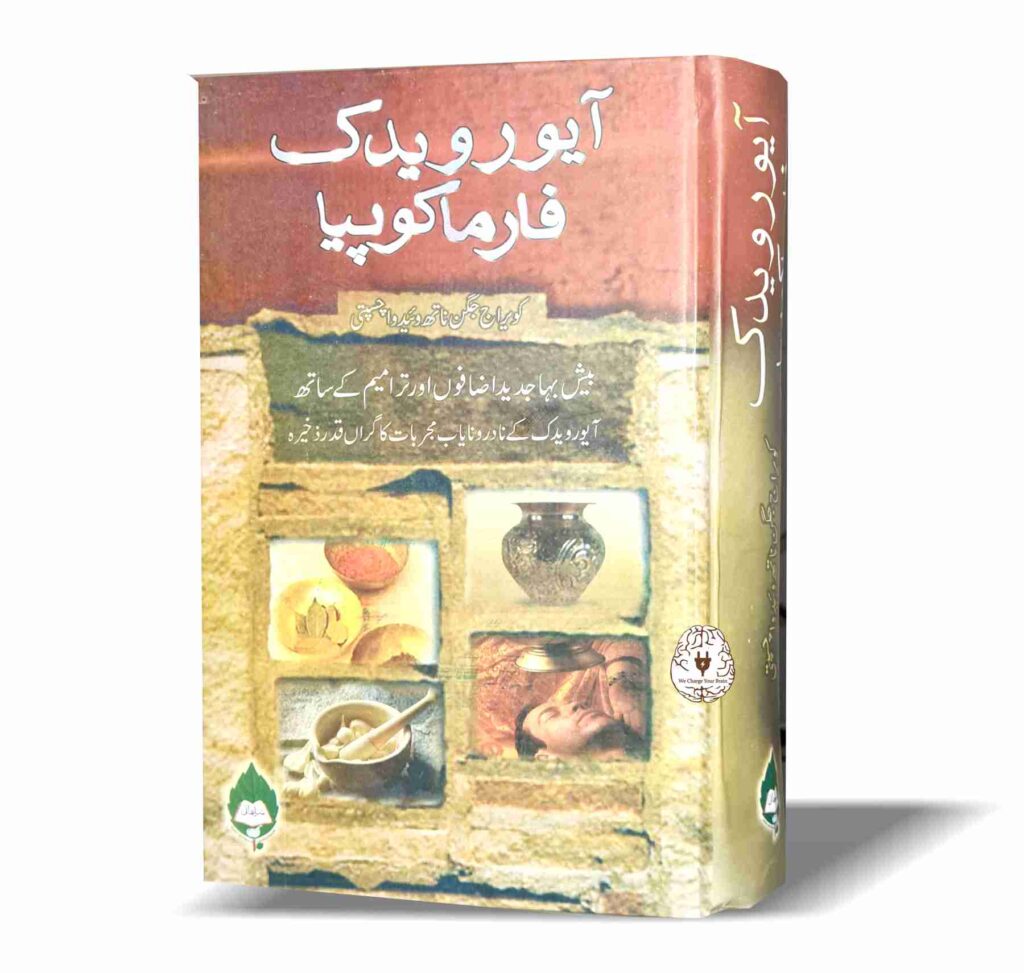
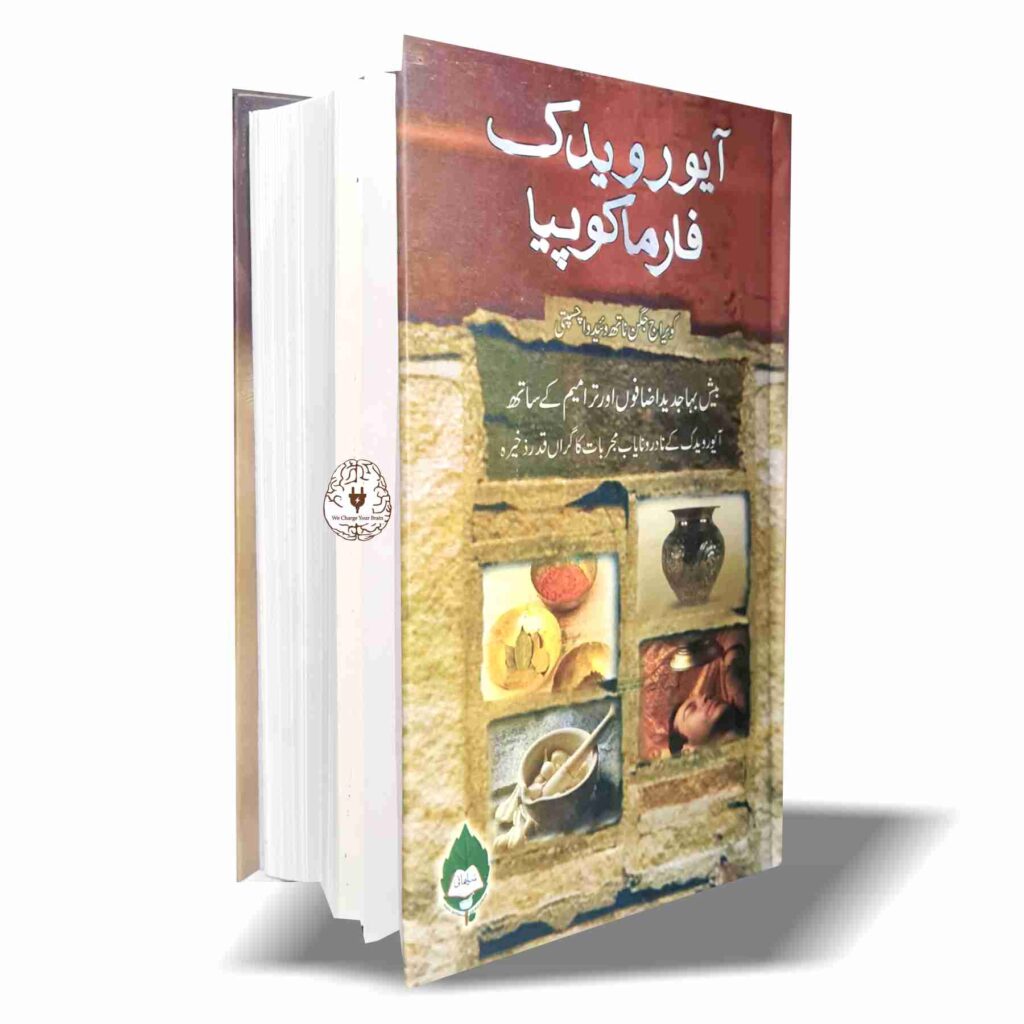
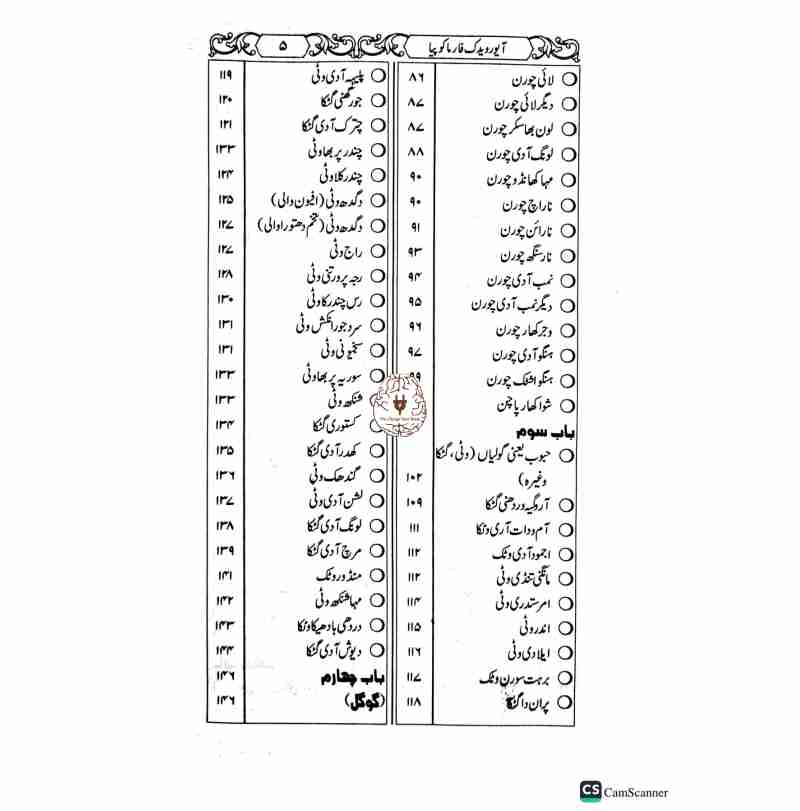
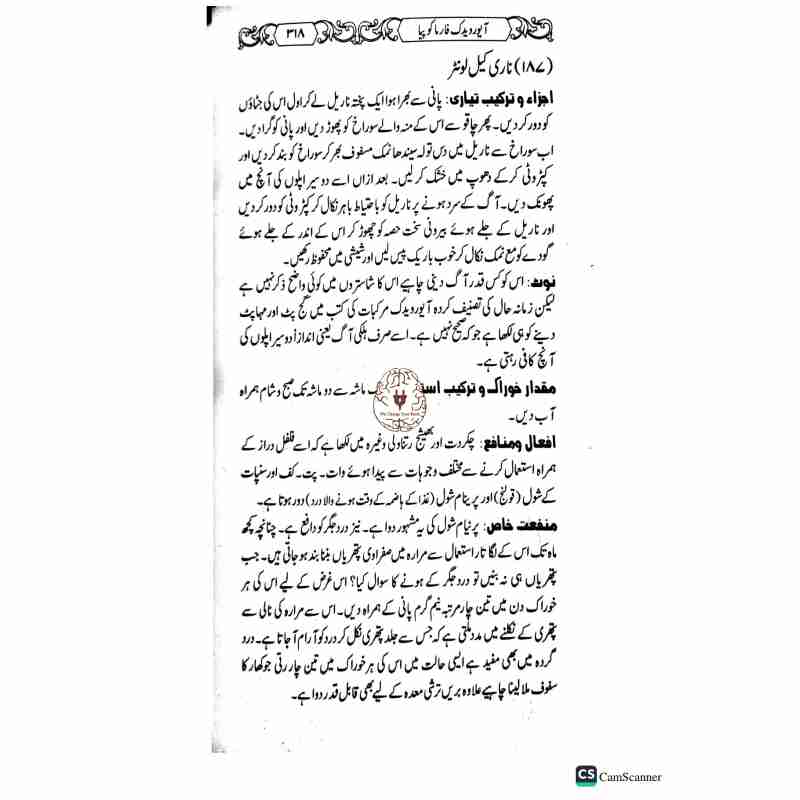
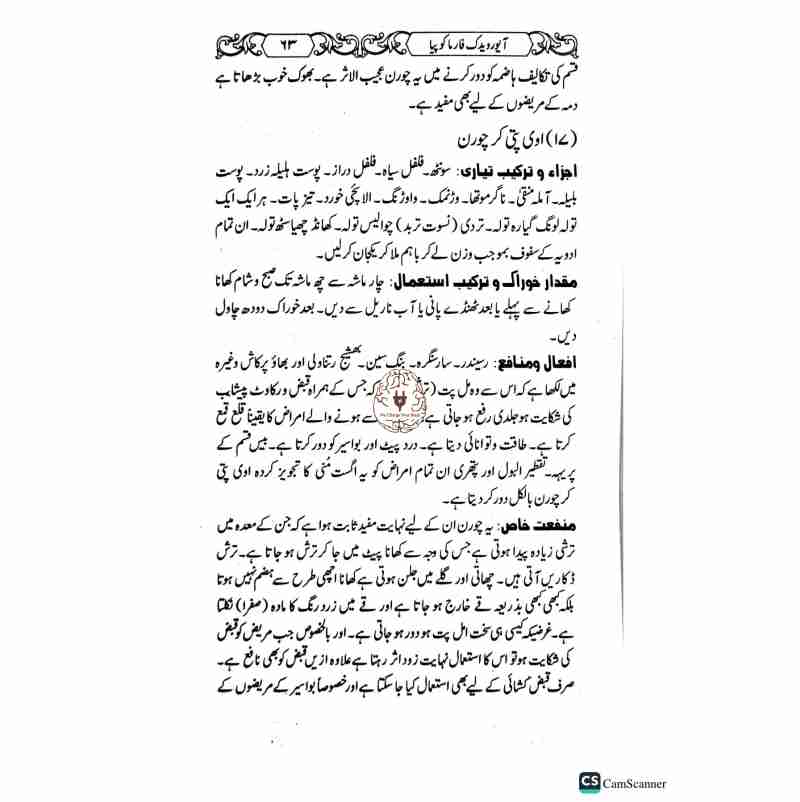
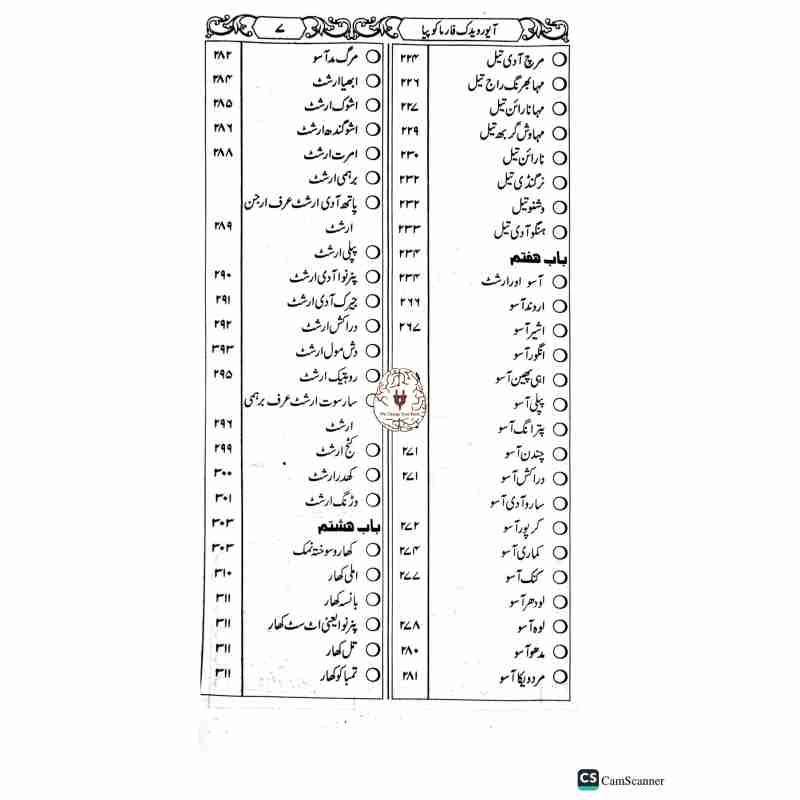
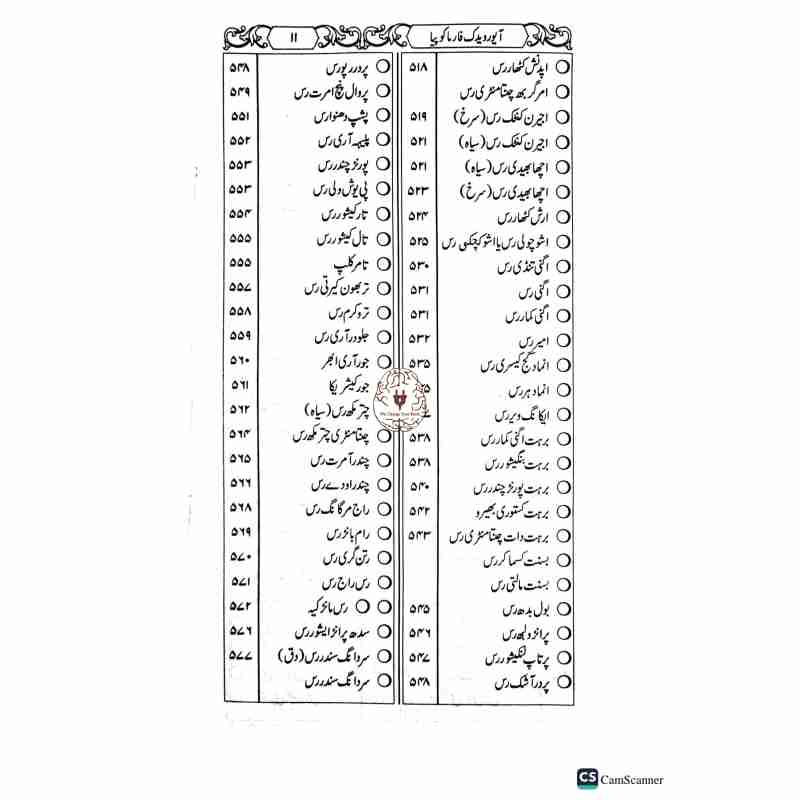
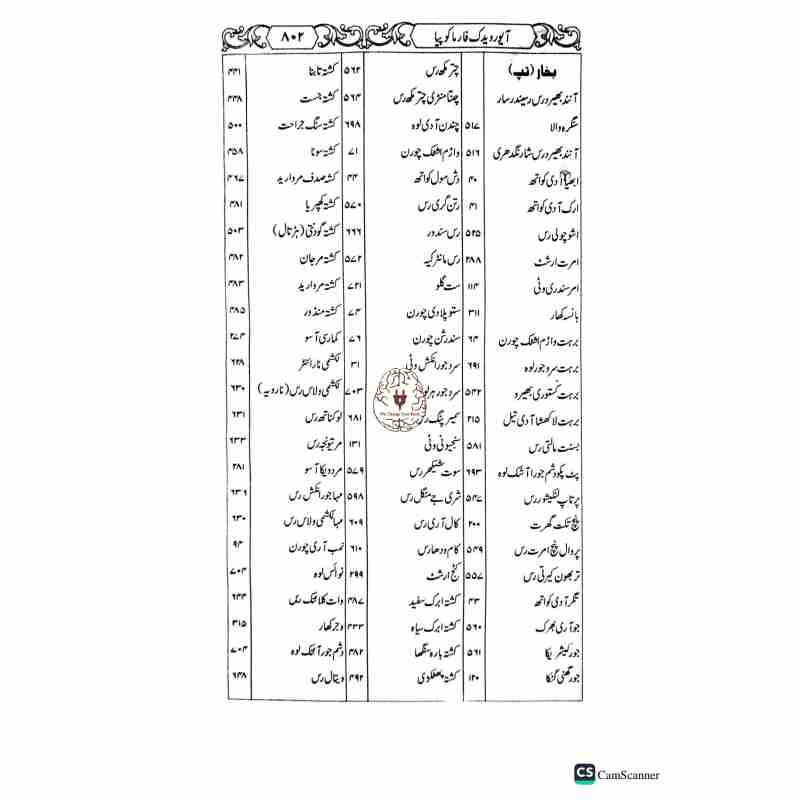
آیورویدک فارماکوپیا
آیورویدک فارماکوپیا
آیورویدک کے نادر و نایاب مجربات کا گراں قدر ذخیرہ ۔ یہ کتاب آیورویدک سے لوگوں کو متعارف کروانے کی غرض سے انتہائی آسان اور سادہ انداز میں لکھی ہوئی ہے ۔ کویراج جگن ناتھ وئید واچسپتی کا زبردست شاھکار ہے ۔
1 in stock
Compound Preparations: Provides precise recipes, processing ratios, and mineral-herbal calcination guidelines (Kushtajat / Bhasmas).
Practical Application: Strips away esoteric terminology so practitioners can understand compound interactions, potencies (Veerya/Mizaj), and therapeutic timings (Anupana/Badarqa).
Standardized Formulas: Serves as a working lab guide for the safe formulation of tonics, digestive powders (Chooran), and medicated oils.
3. Ayurvedic Jadi Bootiyan – Multilingual Botanical Compendium
Accurate botanical identification (Ilm al-Adwiyah wa al-Nabatat) is the foremost prerequisite of safe natural healthcare. This authoritative text resolves longstanding ambiguities in regional herbal taxonomy.
Product Reference: https://kitabfarosh.com/product/ajb/
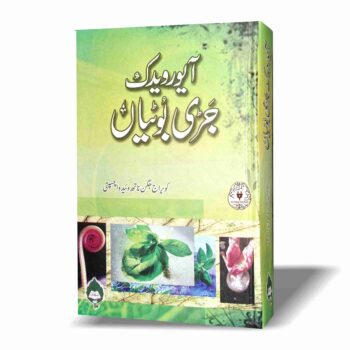
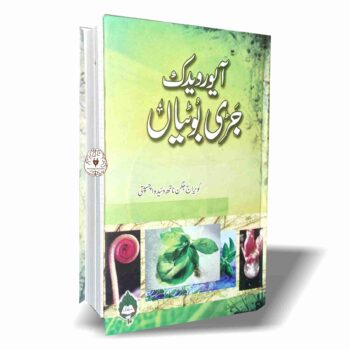
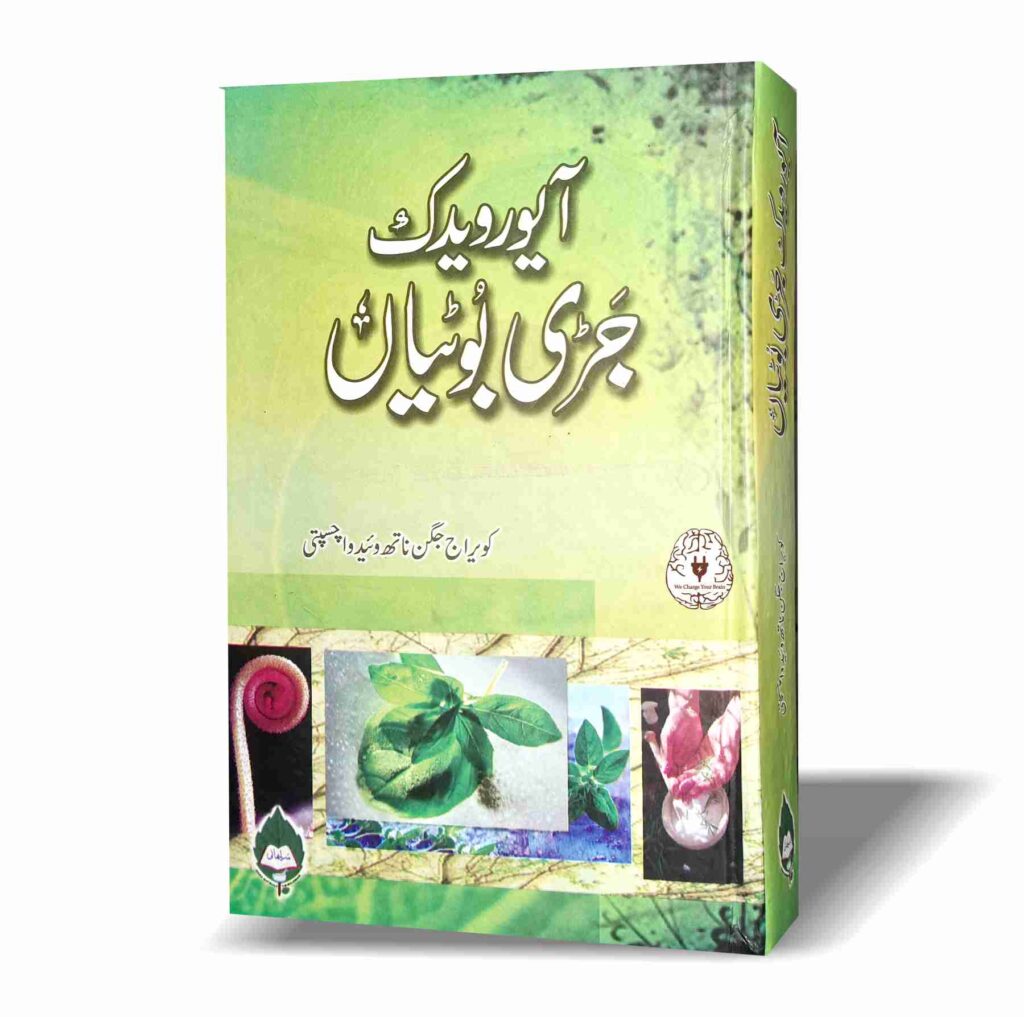
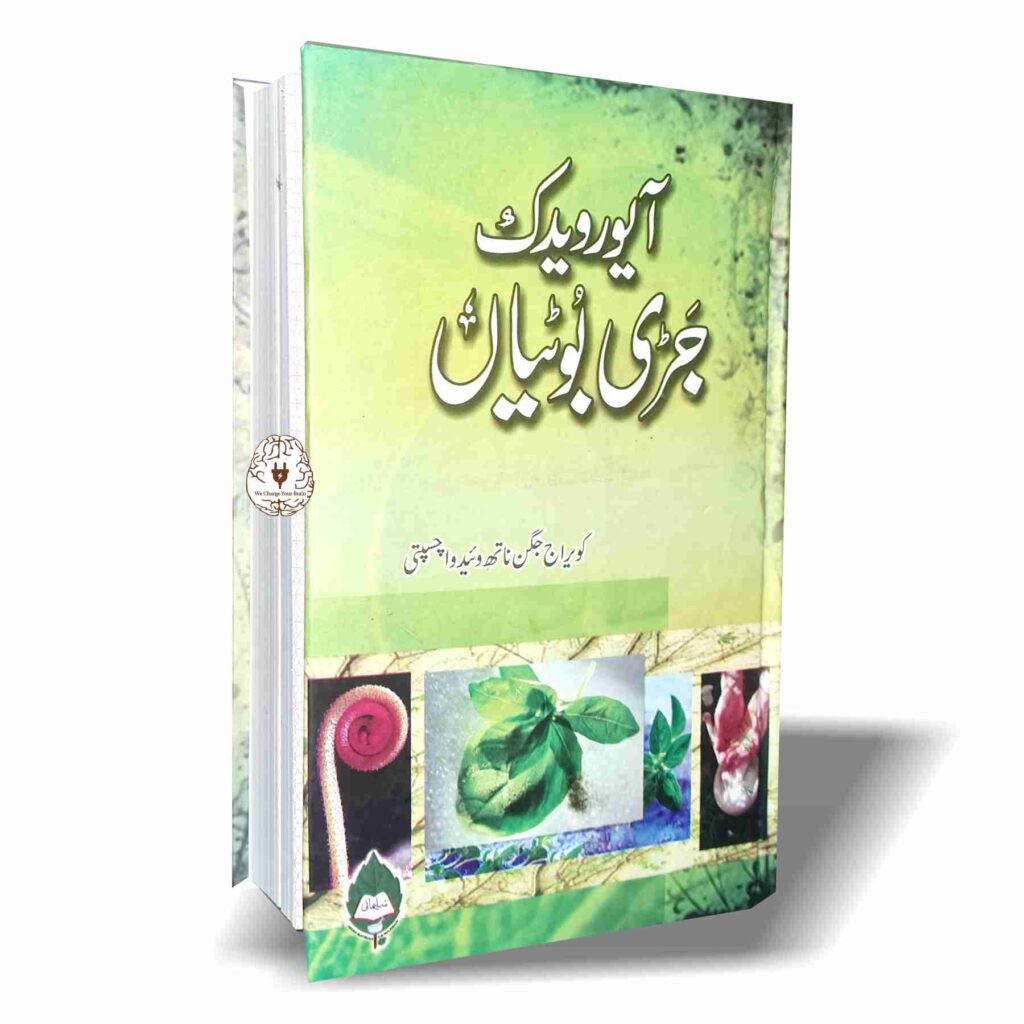


آیورویدک جڑی بوٹیاں
آیورویدک جڑی بوٹیاں
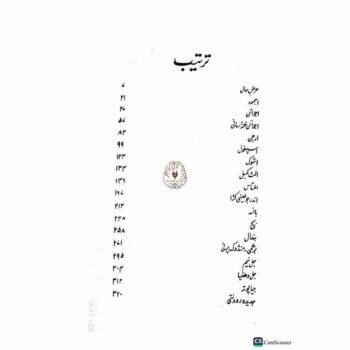
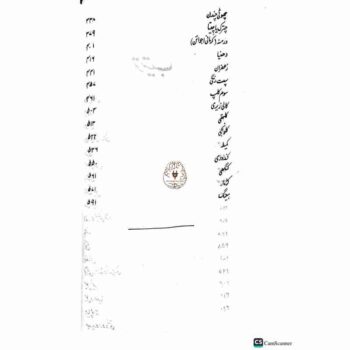
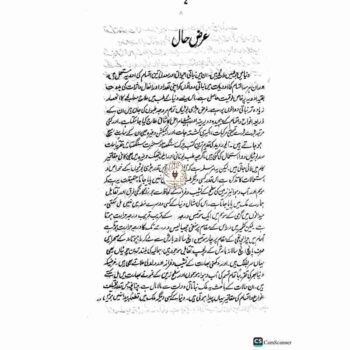
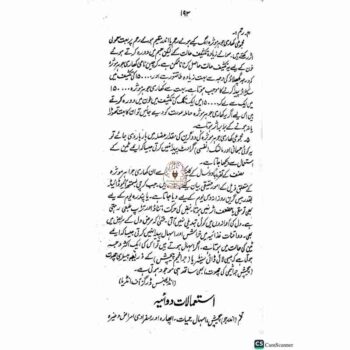
اس کتاب میں جڑی بوٹیوں کا مختلف زبانوں یعنی سنسکرت، ہندی اردو اور پنجابی میں بڑی تحقیق سے نام لکھا گیا ہے ۔ نیز ہر بوٹی کی تاریخ کے متعلق بھی مختصراً روشنی ڈالی گئی ہے ۔ ہر بوٹی کی جائے پیدائش، مفصل تحریر کی ہے ۔ نیز ہر بوٹی کی نباتی توضیح اس قدر سادہ زبان میں بیان کی گئی ہے کہ جس سے بوٹی کی بہ آسانی پہچان کی جا سکے ۔
1 in stock
Nomenclature Synchronization: Cross-references indigenous plants across Sanskrit, Hindi, Urdu, and Punjabi, eliminating regional naming confusion.
Geographical & Ecological Provenance: Details natural habitats, optimal harvesting seasons, and wild-harvest growth conditions across the Indian subcontinent.
Morphological Clarity: Features rigorous botanical descriptions that enable readers and wildcrafters to visually inspect leaves, stems, roots, and seeds without mistaking toxic species for therapeutic herbs.
4. Jadi Bootiyan Aur Unke Ajeeb-o-Ghareeb Fawaid – Hakim Muhammad Abdullah
In this pragmatic treatise published by Maktabat Sulaimani, Hakim Muhammad Abdullah focuses on making natural health accessible and affordable by examining everyday and wild-growing vegetation.
Product Reference: https://kitabfarosh.com/product/jbkaf/
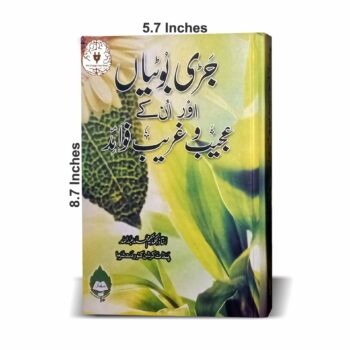
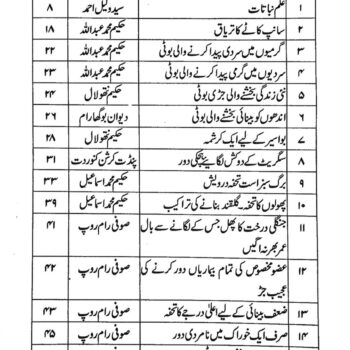
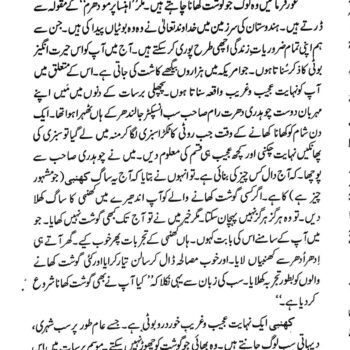
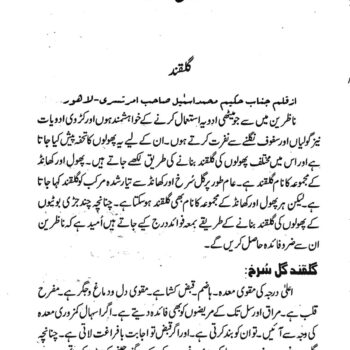
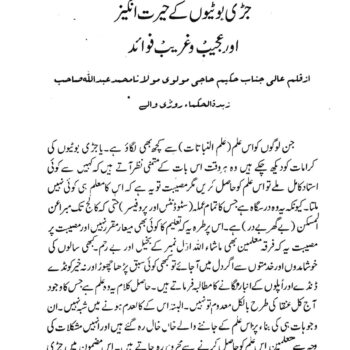
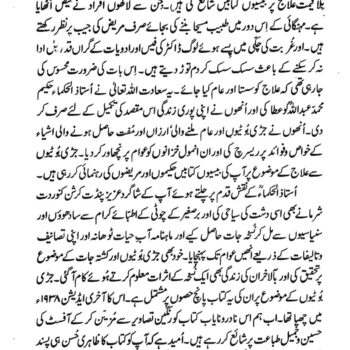
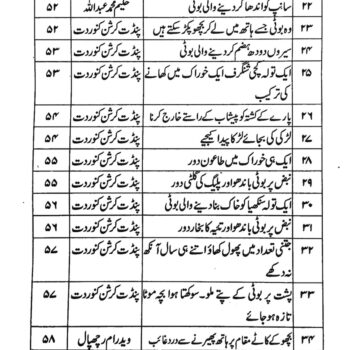
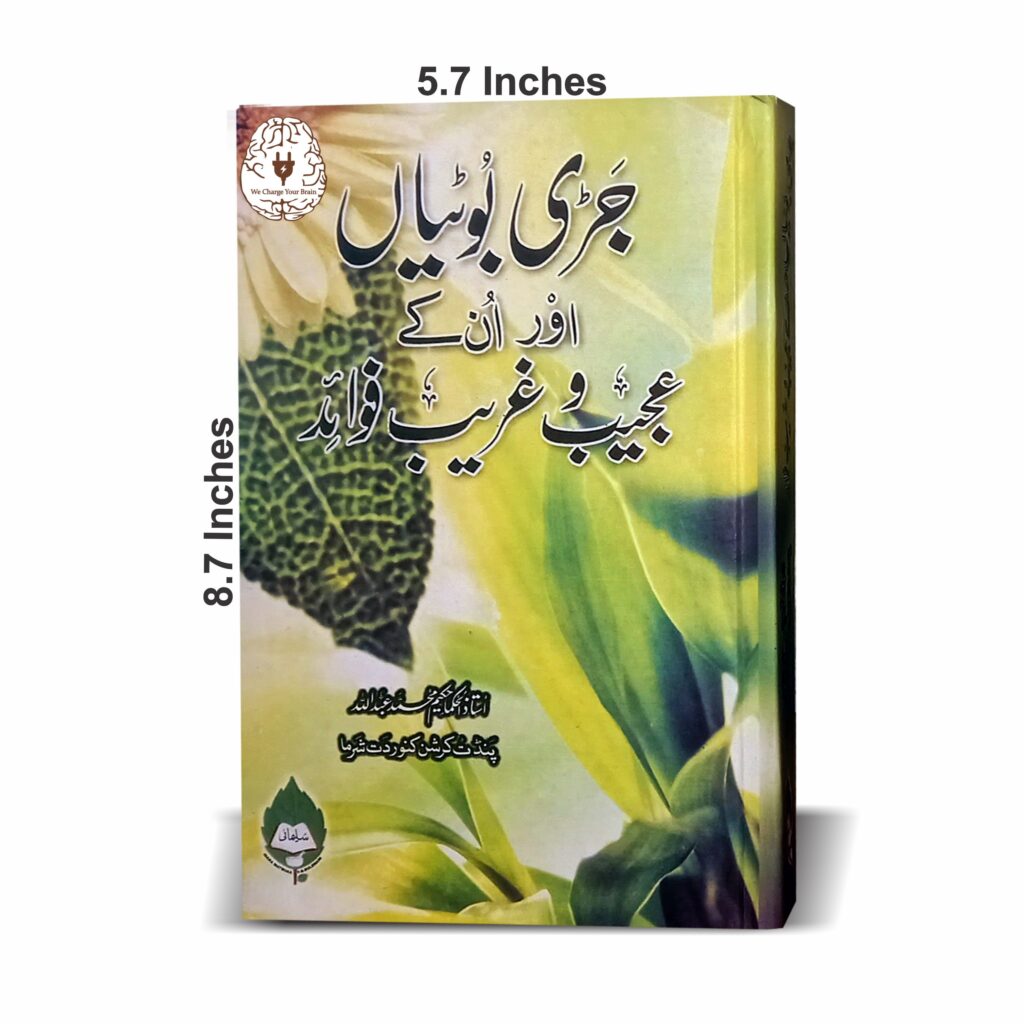
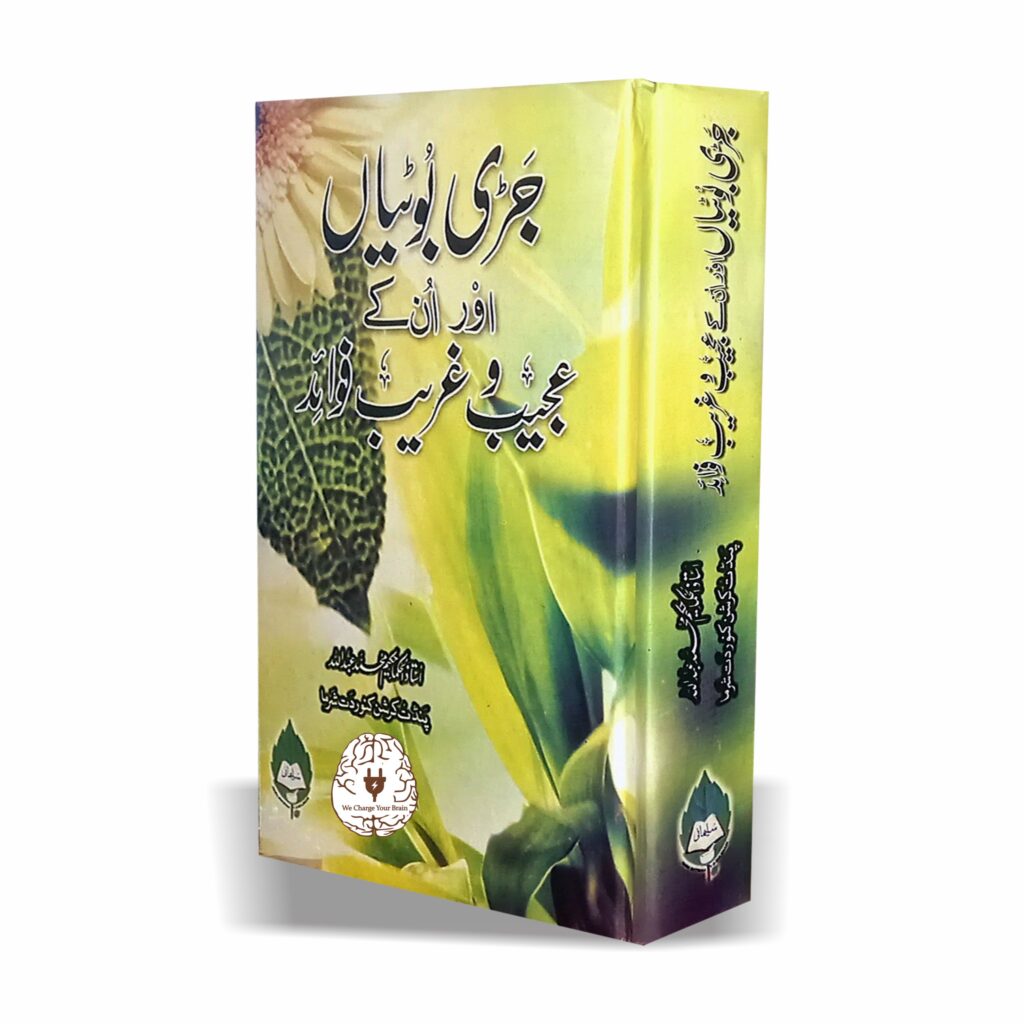
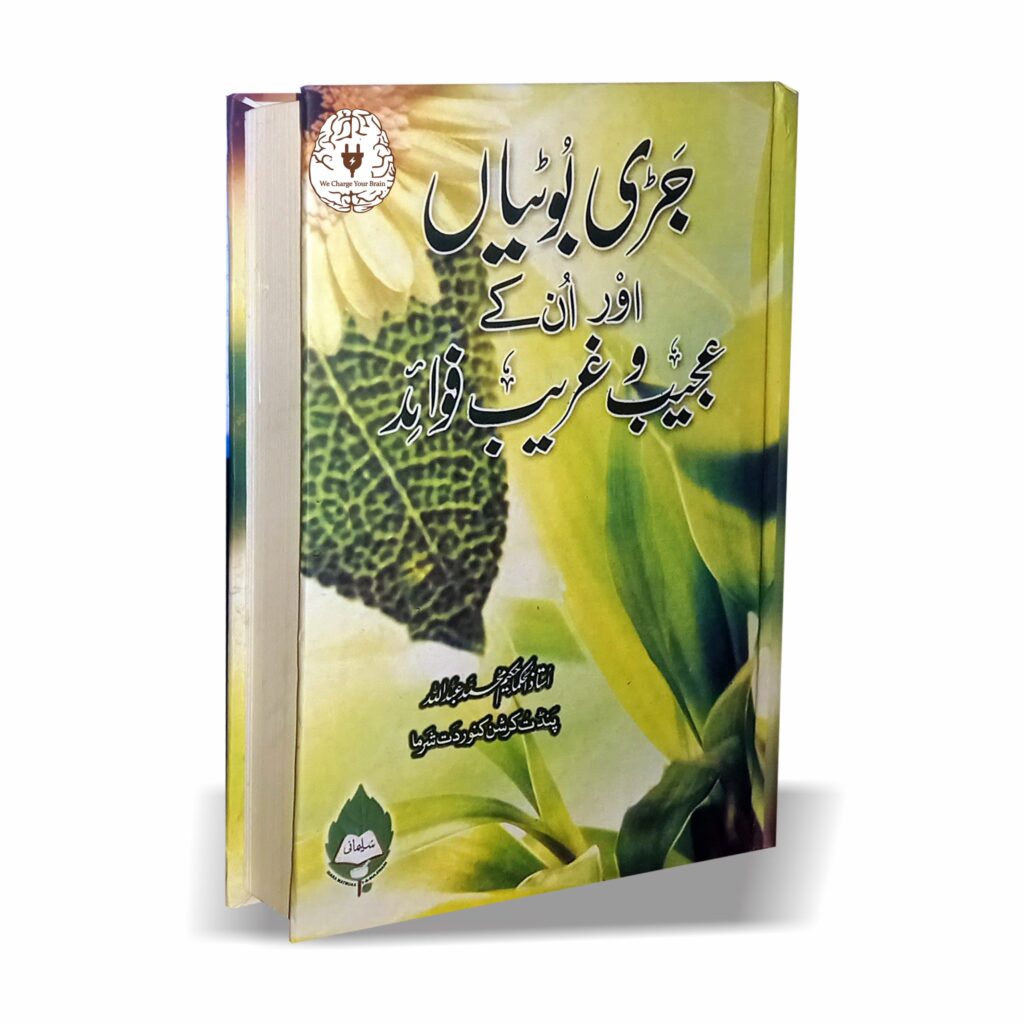
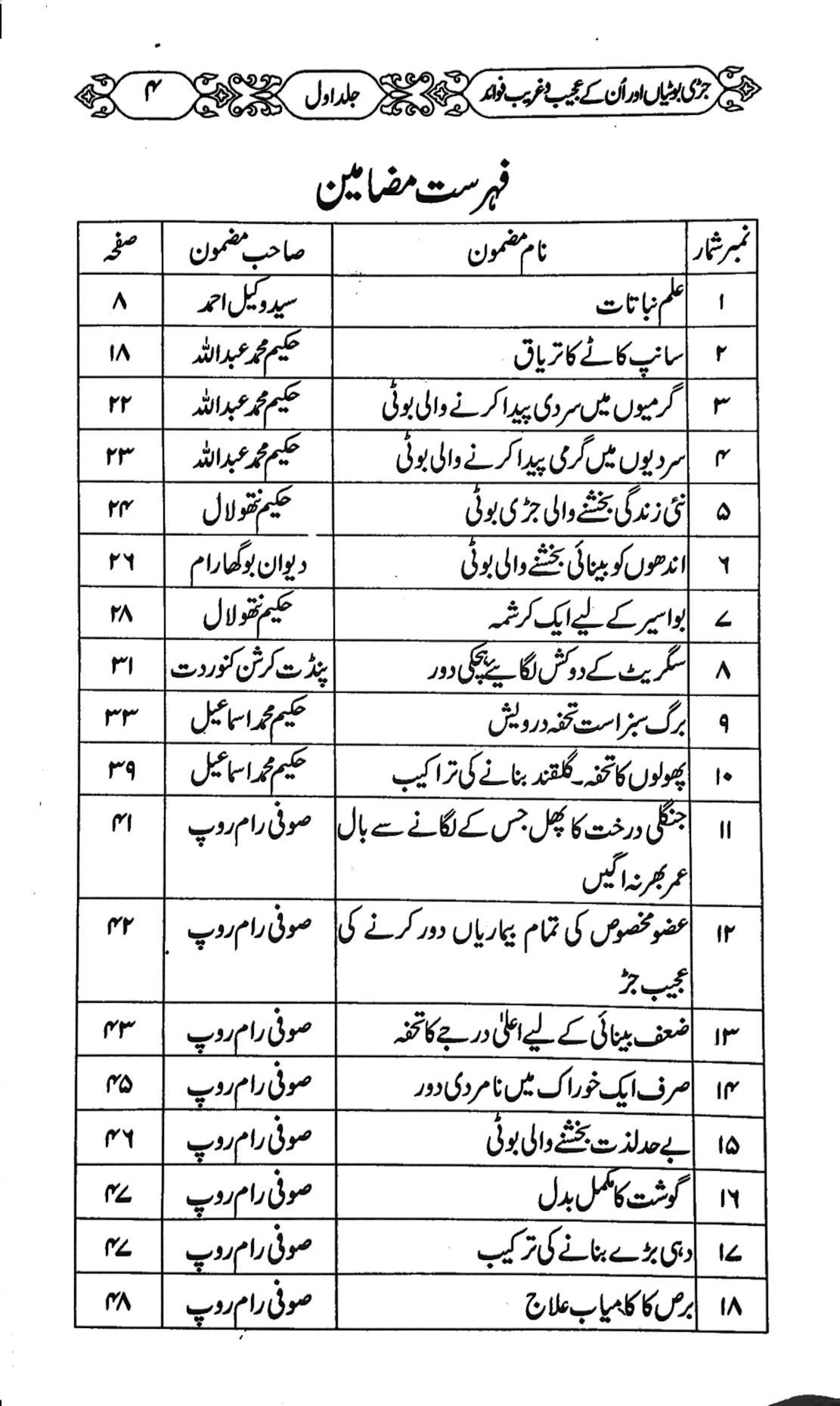
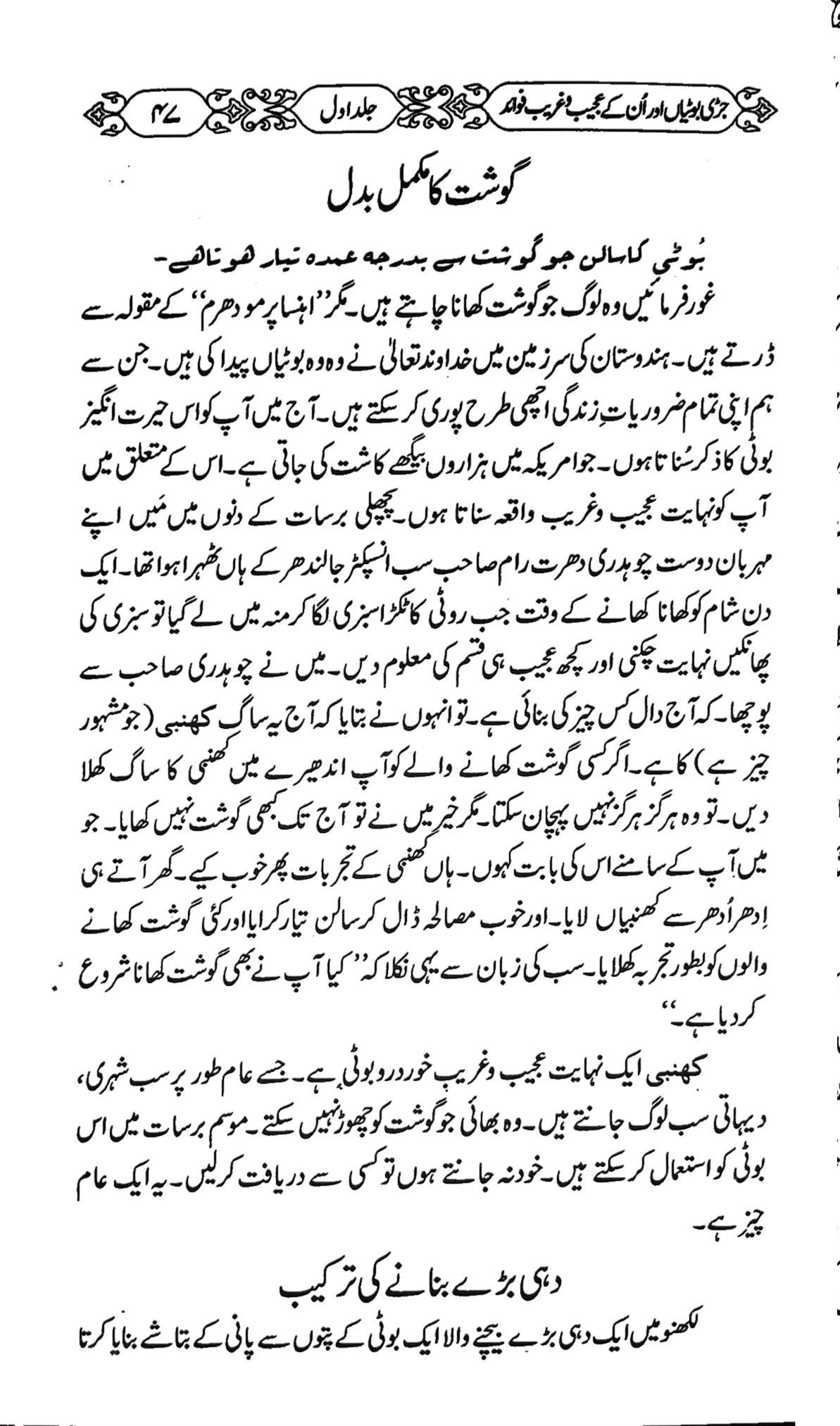
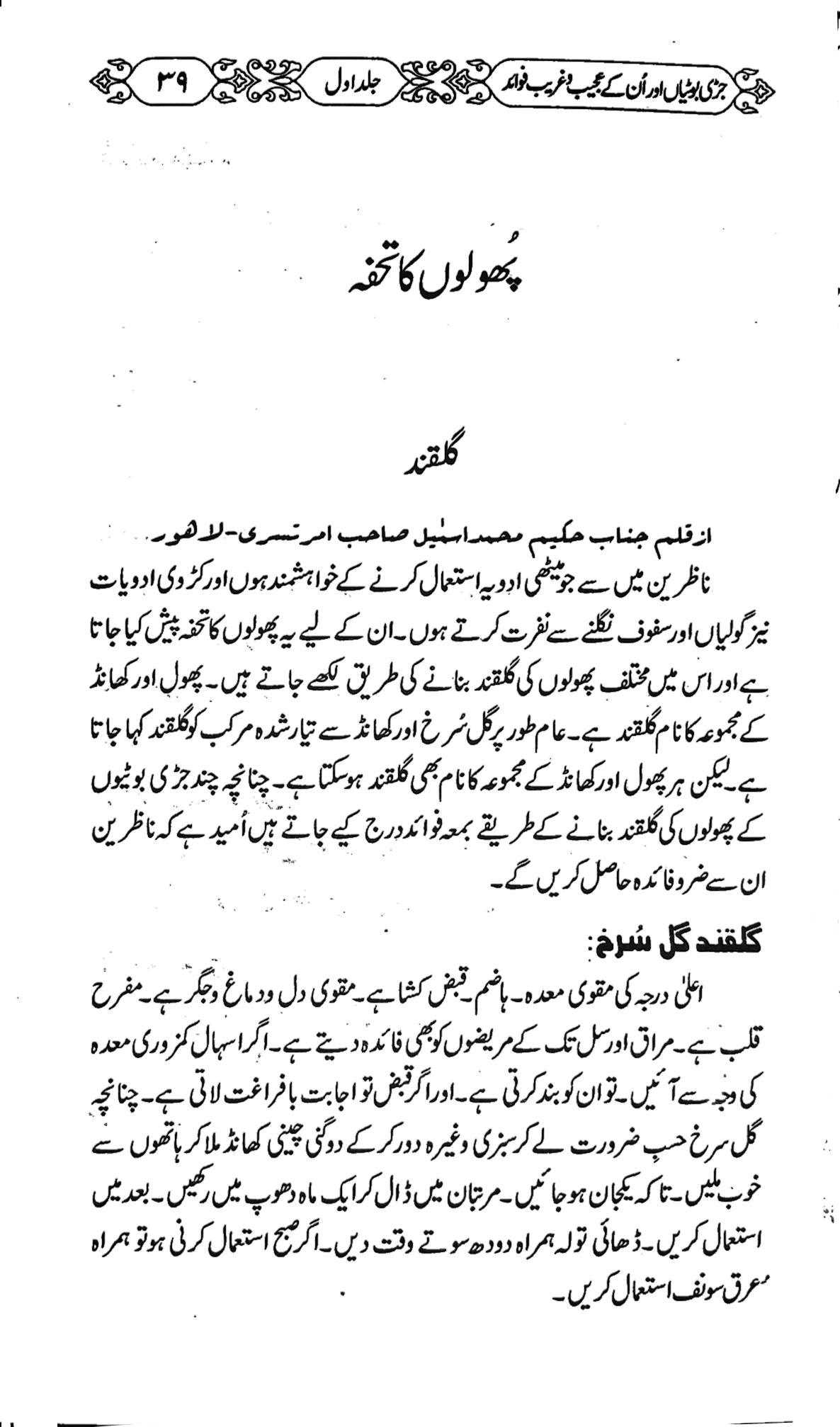
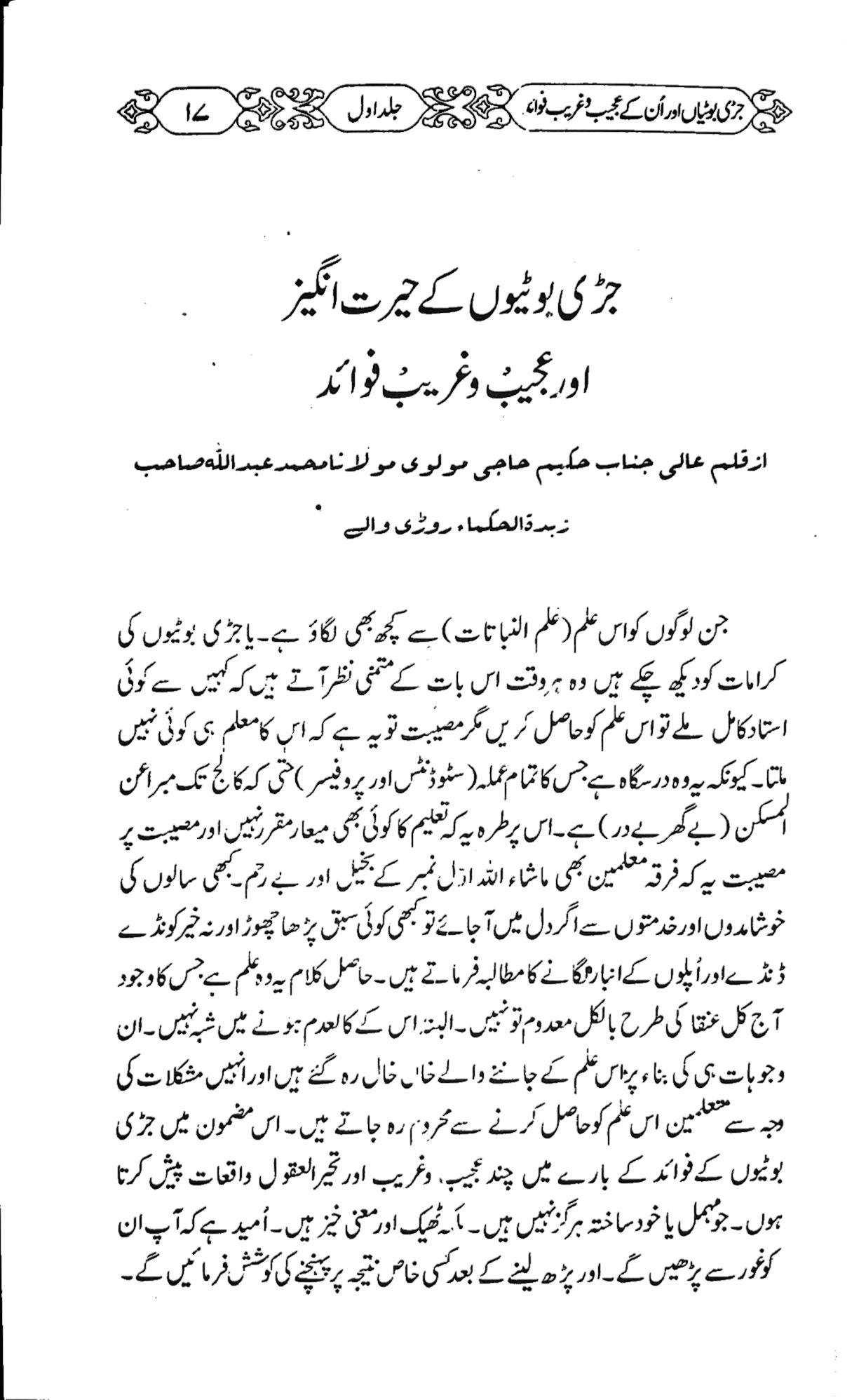
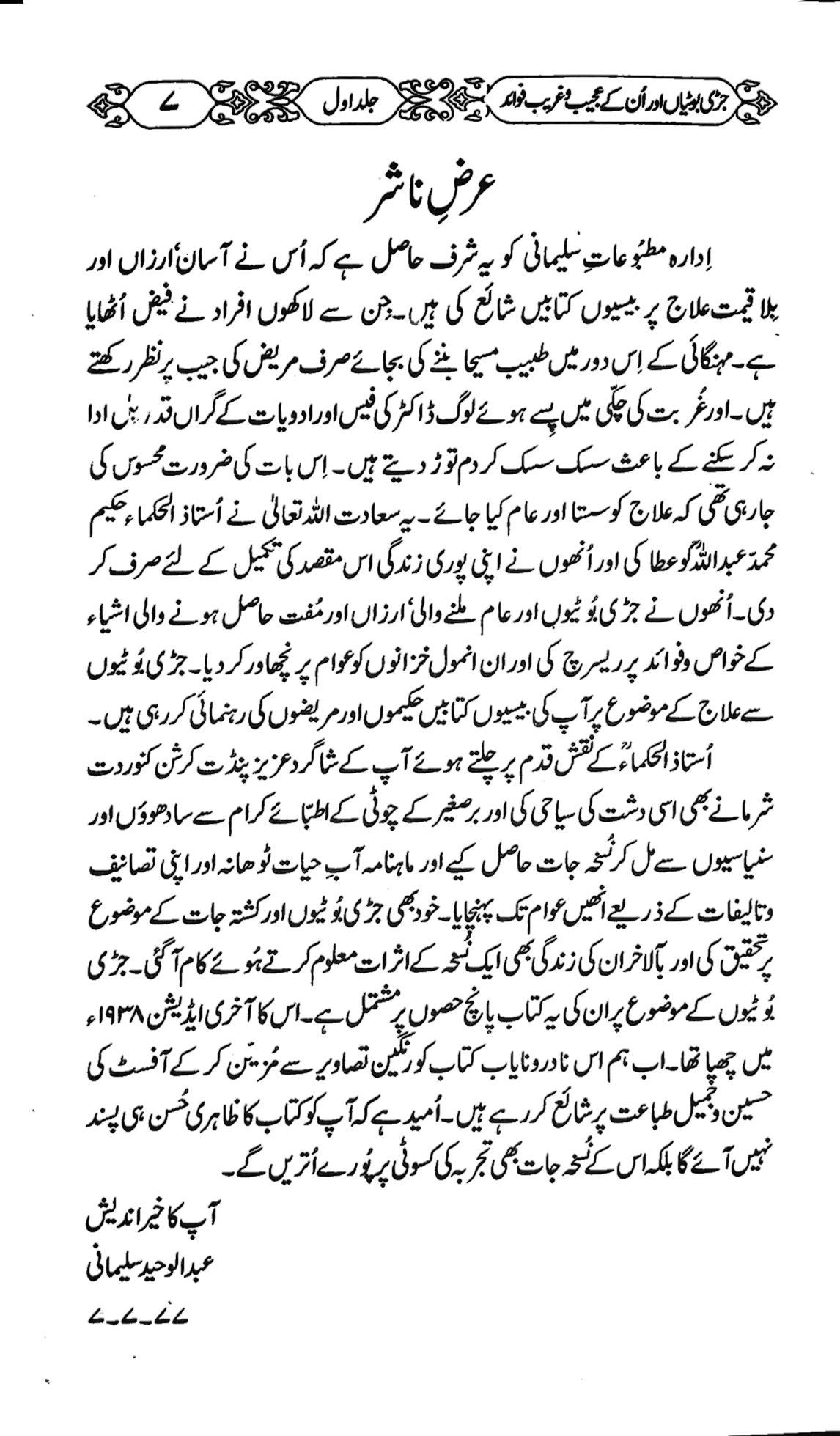
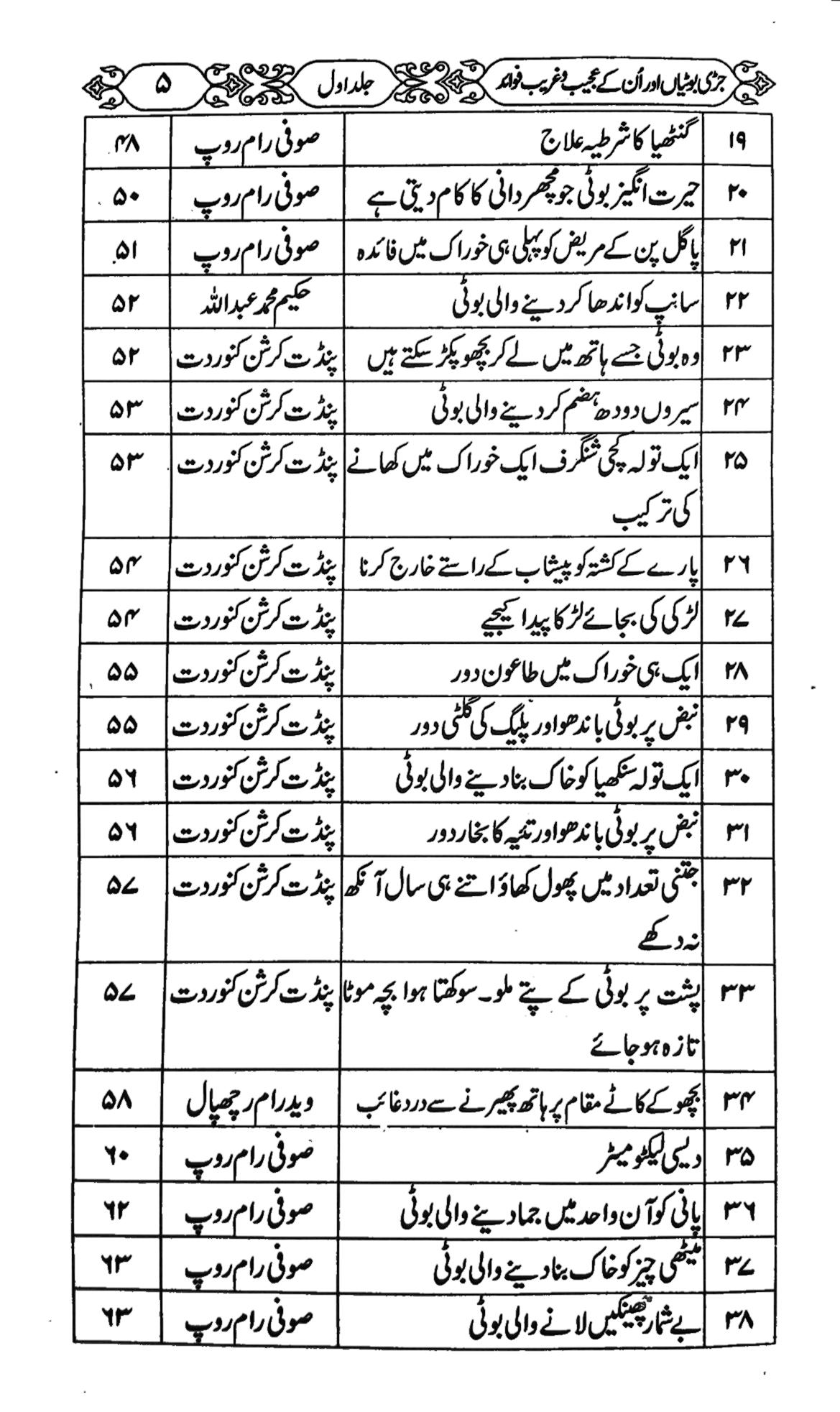
جڑی بوٹیاں اور انکے عجیب وغریب فوائد
جڑی بوٹیاں اور انکے عجیب وغریب فوائد
از استاذ الحکماء حکیم محمد عبداللہ ۔ مطبوعہ مطبوعات سلیمانی کتب خانہ ۔
جڑی بوٹیوں اور عام ملنے والی بلکہ مفت حاصل ہونے والی اشیاء کے خواص اور فوائد پر ریسرچ کا انمول خزانہ ۔
3 in stock
Democratizing Natural Healing: Demonstrates how common culinary spices, garden weeds, and readily accessible flora can manage common acute and chronic complaints.
Analytical Property Breakdown: Breaks down individual plants into therapeutic actions—such as carminative, alterative, anti-inflammatory, and hepatoprotective properties.
Household Preventive Guides: Emphasizes how timely botanical interventions prevent minor imbalances from escalating into entrenched systemic diseases.
To explore these masterworks and browse hundreds of historical treatises, visit the specialized KitabFarosh Hikmat & Traditional Medical Books Collection.
.Comparative Edition & Publication Specifications
For collectors, clinical practitioners, and academic libraries, binding durability and typographical legibility are paramount. The table below presents physical and editorial criteria for selected classical texts:
| Book Title | Author / Compiler | Primary Linguistic Matrix | Structural Volume Count | Target Readership & Usage |
| Kanz al-Mujarrabat | Hakim Muhammad Abdullah | Urdu (Clear Nastaliq) | 3 Volumes (Single Deluxe Binding) | Practicing Hakims, Matab Clinics, Advanced Students |
| Ayurvedic Pharmacopeia | Kaviraj Jagannath Vaid | Urdu (Direct Translation) | Single Comprehensive Volume | Pharmacists, Herbal Compounders, Researchers |
| Ayurvedic Jadi Bootiyan | Botanical Editorial Board | Sanskrit, Hindi, Urdu, Punjabi | Single Volume Illustrated Study | Botanists, Wildcrafters, Ethnobotany Scholars |
| Jadi Bootiyan Aur Unke Fawaid | Hakim Muhammad Abdullah | Urdu (Instructional Script) | Single Volume Handbook | General Households, Wellness Enthusiasts, Novice Tabibs |
Who Needs These Classical Works?
Certified Traditional Practitioners (Tabibs & Hakims):
Clinical compendia like Kanz al-Mujarrabat serve as direct chair-side companions in a daily clinic (Matab), validating compound measurements, differential diagnoses, and post-treatment recovery steps.
Eastern Medicine Students (BEMS Curriculum):
Undergraduates studying Bachelor of Eastern Medicine & Surgery need these source texts to grasp classical pharmacology, fundamental humoral dynamics, and traditional clinical nomenclature beyond translated summaries.
Ethnobotanists & Pharmacognosy Scholars:
Books like Ayurvedic Jadi Bootiyan provide raw academic and field reference data on the historic distribution, indigenous names, and regional uses of Himalayan and subcontinental plant species.
Home Health Conscious Readers:
Works such as Jadi Bootiyan Aur Unke Ajeeb-o-Ghareeb Fawaid empower everyday families to leverage culinary herbs, preventative nutrition, and household botanicals safely and cost-effectively.
Order Authentic Tibb e Unani Books Online via KitabFarosh
Acquiring complete, authenticated, and cleanly printed classic texts is essential when building a personal library or outfitting a clinical dispensary. Through the dedicated KitabFarosh Tibb and Medical Books Shelf, you can securely order verified classical and modern herbal literature delivered straight to your doorstep across Pakistan.
Why Order from KitabFarosh?
100% Free Home Delivery Nationwide: Enjoy completely free courier shipping across all major cities and rural regions throughout Pakistan.
Advance Payment Policy: All orders are processed exclusively via secure advance payment (no Cash on Delivery), guaranteeing careful parcel handling, direct inventory allocation, and expedited dispatch.
Scholarly Reputation: Trusted by hundreds of respected scholars, teachers, medical practitioners, and dedicated book lovers nationwide.
Direct WhatsApp Orders: Place your orders directly and receive personalized recommendations by contacting 03450345581.
Join our community of book enthusiasts:
Facebook: https://www.facebook.com/taleefat
YouTube: https://www.youtube.com/@Kitabfarosh
What distinguishes Tibb e Unani from conventional Western medicine?
Tibb e Unani evaluates diseases as disruptions within systemic equilibrium and innate constitution (Mizaj), treating illnesses through dietary modifications, botanical remedies, and restorative therapies that stimulate the body’s self-healing mechanisms (Quwwat-e-Mudabbira). Conventional allopathic medicine typically focuses on targeted molecular pathways, surgical interventions, and synthesized chemical compounds.
Are Hakim Muhammad Abdullah’s medical formulas safe for beginners to prepare at home?
While books such as Jadi Bootiyan Aur Unke Ajeeb-o-Ghareeb Fawaid offer safe remedies based on everyday kitchen spices and common wild herbs, complex compound preparations—particularly those in Kanz al-Mujarrabat that involve potent botanicals, calcined minerals (Kushta), or regulated purgatives—must always be prepared and taken under the supervision of a licensed Hakim.
How does traditional Tibb approach chronic visceral conditions like abdominal tuberculosis (Pait ki TB)?
In classical Unani literature, abdominal tuberculosis (Diq-e-Meevi or Sil-e-Am’a) is addressed through protective, anti-wasting regimens. Treatments prioritize easy-to-digest nutrition, tissue-healing herbs (such as gum arabic, plantain seed mucilage, and specialized decoctions), liver-strengthening tonics, and astringent, anti-inflammatory compounds to soothe inflamed intestinal mucosal membranes while reinforcing patient immunity.
Can individuals with no formal medical training understand these books?
Yes. Both Kaviraj Jagannath and Hakim Muhammad Abdullah deliberately authored their seminal works in straightforward, readable Urdu. Their books avoid unnecessary jargon, making diagnosis, plant identification, and herbal preparation accessible to interested non-specialists.